

Police Raid Starbucks Korea HQ Over 'Tank Day' Fiasco
South Korean police have raided Starbucks Korea headquarters following allegations that its controversial 'Tank Day' marketing campaign trivialized the 1980 Gwangju Uprising. The incident has led to significant sales declines and reputational damage for the company in South Korea.
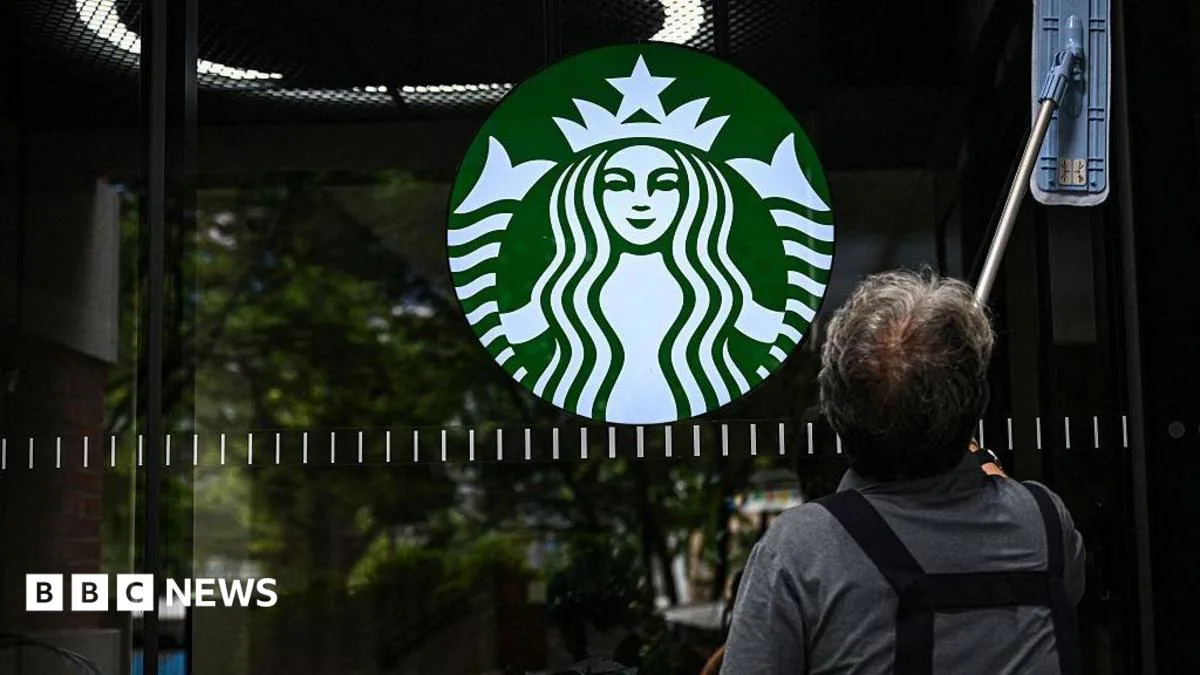
South Korean police have raided the headquarters of Starbucks Korea in connection with a controversial 'Tank Day' marketing campaign that drew widespread public outrage and was accused of defaming victims of the Gwangju Uprising. This investigation poses a significant corporate reputation and financial challenge for the company's operations in the country. The raid is part of an ongoing criminal defamation investigation initiated after complaints were filed by civic groups and bereaved families.
The scandal erupted when Starbucks Korea launched a promotion for its large-capacity tumblers, dubbed 'Tank Day,' on May 18, the anniversary of the 1980 Gwangju Democracy Movement. The campaign faced extensive backlash as the term 'tank' evoked the historical event where a military dictatorship rolled tanks onto the streets to suppress pro-democracy protesters in Gwangju. Furthermore, the promotional slogan “Tak! on the table” was criticized for echoing a controversial statement made by police in 1987, explaining the death of student activist Park Jong-cheol under torture. Following intense public outcry, Starbucks Korea swiftly withdrew the promotion, stating that any connection to the historical tragedy was unintentional. However, the anger persisted, leading to an apology from Chung Yong-jin, chairman of the Shinsegae Group, which operates Starbucks Korea. The former CEO of Starbucks Korea, Son Jung-hyun, also resigned amidst the furore.
This marketing fiasco directly impacted Starbucks Korea's financial performance. According to the Shinsegae Group, the ‘Tank Day’ controversy led to a “sharp decline in sales” in the early days of the scandal. Estimates from local data platform IGAWorks indicate that Starbucks' credit and debit card payment volume fell by 17 percent from May to June. Data from mobile big data platform Mobile Index showed that Starbucks Korea's weekly payment volume plummeted by 26.3 percent, representing an 8.47 billion won (approximately $5.3 million) drop during the week of the controversy (May 18–24). Additionally, new downloads of the Starbucks app crashed by 23.6 percent, and its app store rankings declined. Starbucks Corp. shares (SBUX) were also reported to be down nearly 1.5% following the incident. In June, the company temporarily closed its stores nationwide for half a day to allow staff to attend history lessons, with this half-day closure estimated to have caused a sales loss of approximately $1.4 million.
The incident underscored the deep historical scars left by the 1980 Gwangju Uprising and human rights abuses during the military dictatorship, which remain highly sensitive in South Korean society. The Gwangju Uprising is remembered as a national trauma where hundreds of civilians were killed by military forces. The use of the word 'tak' further amplified sensitivities by recalling the police explanation regarding the torture death of a student activist in 1987. South Korean President Lee Jae Myung also criticized the campaign, stating it “insults the victims and the bloody struggle” of Gwangju residents. Some government ministries even severed ties with Starbucks.
As the police investigation continues, Shinsegae Group chairman Chung Yong-jin and former CEO Son Jung-hyun could face criminal charges. While an internal investigation found no deliberate intent, police are reportedly seeking new evidence through their own probe. This situation presents a long-term challenge for Starbucks Korea, not only in boosting sales but also in rebuilding lost trust and demonstrating a better understanding of cultural sensitivities within the South Korean market. The company is expected to develop more robust internal control mechanisms and leverage cultural advisory services to prevent similar marketing missteps in the future.
Related Symbols
💸 Ready to act on this news?
You need a brokerage account to invest. Compare 30+ trusted brokers in seconds — zero commission options available.
Comments (0)
No comments yet. Be the first to comment!