

Panama Canal Fees Rise 2.5x After Middle East Conflict, Auctions Spike
Panama Canal reservation and auction demand surged after the Middle East conflict; average auction price rose from about $135,000 to $385,000, canal says.
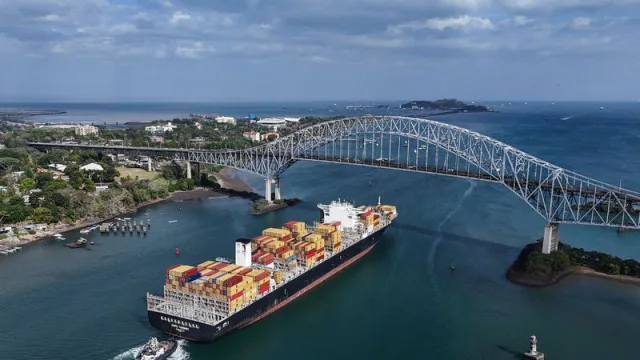
The Panama Canal has seen a sharp rise in reservation and auction demand following disruptions linked to the Middle East conflict and strains around the Strait of Hormuz, leading to auction-driven premiums that in some cases are multiple times higher than pre-crisis levels. Canal authorities said the shift reflects a near-term market reaction rather than a permanent tariff change.
According to the Panama Canal Authority (ACP), average auction prices climbed from roughly $135,000–$140,000 before the conflict to about $385,000 after it began, with a number of exceptional auction outcomes exceeding $1 million. Media reports and AP coverage have additionally noted isolated cases in which individual vessels bid as much as $4 million to secure priority transit, though the ACP described such results as extraordinary and linked to acute urgency.
The spike is already influencing energy and shipping markets: carriers rerouting to avoid the Strait of Hormuz are increasing demand for Panama transits, pushing short-term freight and slot premiums higher. Energy buyers sourcing alternatives face higher logistic costs, while Brent crude has shown upward pressure amid the supply reconfigurations. The consequences are most visible in last‑minute procurement and per‑voyage premiums rather than across-the-board toll increases.
From a broader perspective, the episode underscores how strategic chokepoints and auction-based slot systems interact under stress. The Panama Canal’s reservation and auction mechanisms have been used to manage capacity and priority, and the ACP emphasized operations remain stable even as market-driven auction prices reflect exceptional demand spikes. Policymakers and shippers are watching closely for any signs of sustained congestion or formal tariff adjustments.
Market watchers and analysts expect continued volatility in slot premiums while the regional conflict persists. The canal authority and shipping executives suggest that most high-priced auction outcomes are situational; however, sustained disruptions in Hormuz or wider escalation could prolong elevated costs and force longer-term routing and procurement changes across the energy and container trades. Close monitoring of transit auction trends and freight indices will be key for traders and logistics managers in the coming weeks.
Related Symbols
💸 Ready to act on this news?
You need a brokerage account to invest. Compare 30+ trusted brokers in seconds — zero commission options available.
Comments (0)
No comments yet. Be the first to comment!