

Panama Canal Fees Hit Record High as El Niño and Iran War Squeeze Global Trade
Panama Canal transit fees have surged to unprecedented levels, driven by El Niño's impact on water levels and global supply chain disruptions from the Iran War. A container ship reportedly paid $4 million to bypass the queue, underscoring global trade's vulnerability.
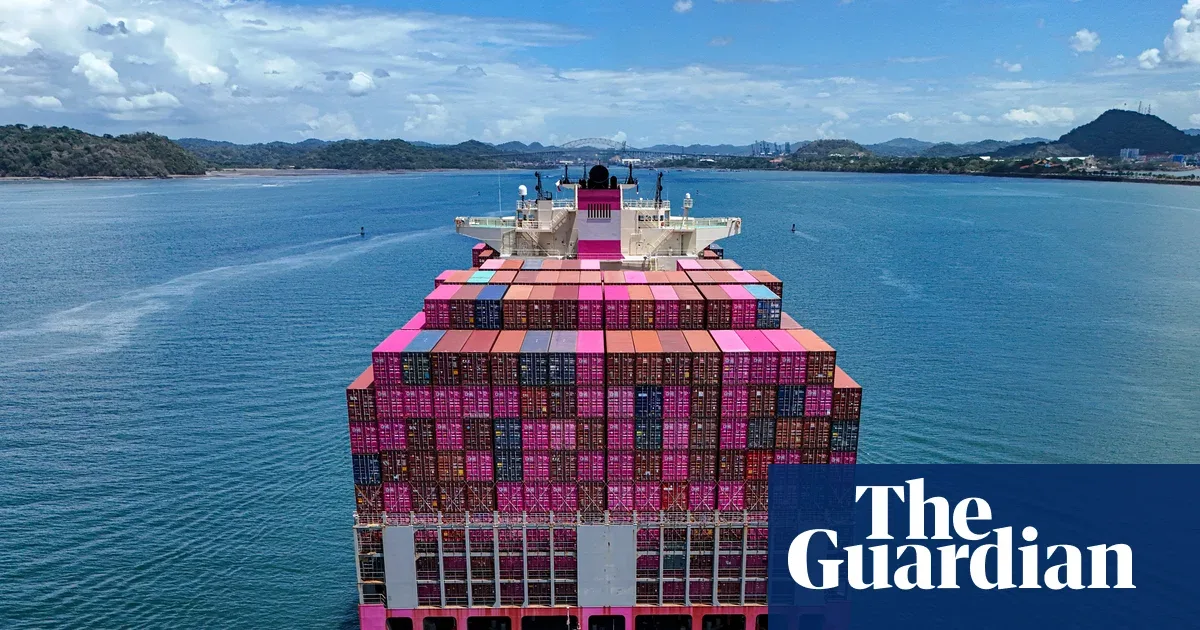
Transit fees for the Panama Canal, a vital artery for global maritime trade, have reached record highs due to falling water levels caused by the El Niño weather system and global supply chain disruptions triggered by the Iran War. A recent report of a container ship paying approximately $4 million to jump the long queues highlights the fragility of international trade and the dramatic increase in logistical costs.
The Panama Canal Authority (ACP) has been forced to implement successive reductions in the maximum draft for vessels due to declining water levels in Gatun Lake, exacerbated by a strengthening El Niño. Several draft limits have been lowered since July, with further reductions scheduled for late August and early September. This means large vessels, particularly those using the Neopanamax locks, must carry less cargo. While standard fees apply for pre-booked transits, bids for available slots in daily auctions have averaged $1.1 million this month, a sixteen-fold increase compared to the same period last year. Some individual auction bids have even climbed as high as $3.78 million.
These rising costs and restrictions at the canal are further compounded by geopolitical tensions in the Middle East. Disruptions in key maritime passages such as the Strait of Hormuz and Bab el-Mandeb due to the Iran War have significantly increased demand for alternative routes like the Panama Canal. This is particularly true for vessels transporting energy products, including crude oil and refined products, from the U.S. Gulf Coast to Asia. This surge in demand, combined with the capacity limitations imposed by El Niño, has led to an unprecedented escalation in transit fees.
The ramifications of these developments are significant for global markets and supply chains. Increased freight costs are negatively impacting trade, especially between Asia and the United States, and are expected to translate into higher prices for consumers. Some major shipping companies are now considering longer routes around the Cape of Good Hope or utilizing intermodal rail and truck networks across North America to mitigate delays and exorbitant costs. For instance, container shipping giant CMA CGM announced it would add a Panama Canal Adjustment Factor of $500 per TEU for all cargo from Asia to the U.S. Gulf and East coasts, effective September 10.
Despite the Panama Canal Authority's implementation of water-saving measures, drawing lessons from the severe drought of 2023-2024, the intensifying El Niño continues to complicate the situation. Waiting times for unreserved vessels have reportedly stretched up to 10 days, marking the longest backlog since May. Analysts warn that if geopolitical tensions persist and El Niño's effects endure, demand and pricing for canal transits could rise further. This could trigger volatility in energy markets and exacerbate global inflationary pressures.
Looking ahead, further restructuring of global trade flows and lasting changes in logistics strategies are anticipated. Shipping companies and importers will remain under pressure to build more resilient supply chains to withstand such unforeseen shocks. The current situation at the Panama Canal underscores the global trade's reliance on a few critical routes and its vulnerability to external disruptions.
💸 Ready to act on this news?
You need a brokerage account to invest. Compare 30+ trusted brokers in seconds — zero commission options available.
Comments (0)
No comments yet. Be the first to comment!