

Oil: Strait of Hormuz crisis continues, prices hold two-day gains
Oil held two-day gains after U.S. President Donald Trump extended the ceasefire with Iran, even as a blockade of the Strait of Hormuz continued to restrict flows. Markets remain volatile.
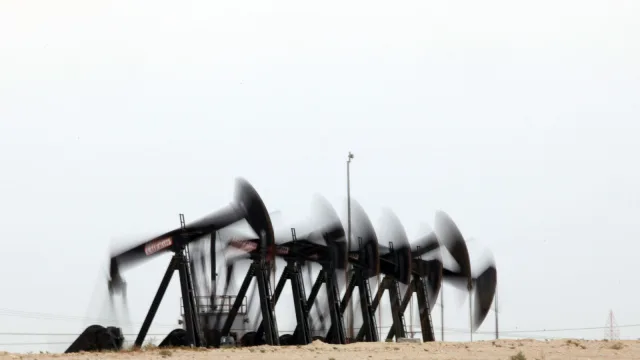
Uncertainty persists in oil markets as U.S. President Donald Trump announced an extension of the ceasefire with Iran while a U.S.-led blockade and intermittent Iranian measures continue to constrain passage through the Strait of Hormuz, leaving crude prices to hold recent gains.
The situation evolved after a short truce earlier in April prompted a sharp but temporary price drop when Tehran signaled commercial passage could resume. Subsequent setbacks in talks and renewed restrictions around the strait have pushed Brent and WTI into volatile trading ranges, with intraday moves reflecting concerns over disrupted seaborne flows and potential supply shortfalls. Major news outlets and market reports recorded swings between roughly $95 and over $100 per barrel for Brent in recent sessions.
Market reaction has been mixed: brief relief rallies have alternated with renewed buying as geopolitical headlines shift. Asian and global equity benchmarks have reacted to the swings in energy prices, and commodity traders are pricing a risk premium for the possibility of prolonged disruptions to Persian Gulf shipments. Liquidity and news-driven flows have amplified volatility in both futures and physical markets.
In the wider context, the Strait of Hormuz plays a central role in global energy security, accounting for a large share of seaborne crude flows in peace time; any sustained interruption can quickly tighten global supply balances. Combined with OPEC+ production adjustments and localized output losses, the present episode highlights structural vulnerabilities in seaborne oil logistics that can sustain higher price baselines while uncertainty continues.
Analysts say volatility is likely to persist until there is a clear, verifiable reopening of transit or a durable diplomatic resolution. A decisive restoration of Gulf shipments would relieve the premium currently priced into crude, while an extended blockade or escalation would likely push prices higher and keep energy markets on edge. Traders and portfolio managers are monitoring tanker traffic, loading data and diplomatic signals as primary indicators for near-term price direction.

Related Symbols
💸 Ready to act on this news?
You need a brokerage account to invest. Compare 30+ trusted brokers in seconds — zero commission options available.
Comments (0)
No comments yet. Be the first to comment!