

Oil Prices Fall on Hopes for Strait of Hormuz Reopening
Oil prices experienced a sharp decline following announcements from US Secretary of State Marco Rubio and Treasury Secretary Scott Bessent that talks for resuming shipments through the Strait of Hormuz had progressed. This development eased concerns regarding global energy supply.
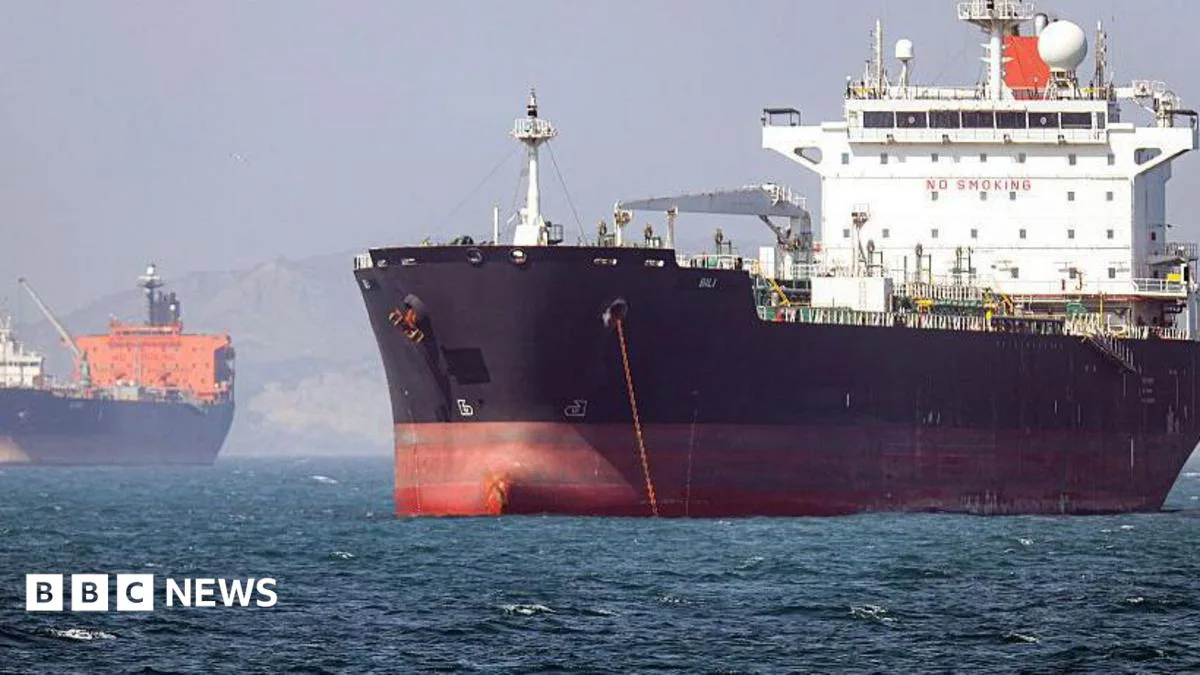
Global crude oil prices experienced a significant decline after senior US officials announced progress in negotiations aimed at reopening the strategic Strait of Hormuz. Brent crude and US West Texas Intermediate (WTI) prices fell by approximately 5% to 6%, as concerns about supply disruptions in this vital waterway for the world economy eased. This downturn pushed both oil benchmarks to their lowest levels in three weeks.
US Secretary of State Marco Rubio indicated that progress had been made in discussions with Iran and Oman, though a final agreement had not yet been reached. US Treasury Secretary Scott Bessent further boosted expectations by suggesting a deal could be imminent, potentially as early as Tuesday or Wednesday, which could normalize the situation in the conflict by reopening the Strait of Hormuz. However, Iranian officials stated they were not engaged in direct negotiations with Washington, but rather discussing the safe passage of commercial vessels through Omani mediation. Qatar also confirmed ongoing active diplomatic coordination among all parties.
The positive news immediately resonated across markets. Brent crude futures for October delivery (BRN00) dropped by approximately 5.3% to $79.36 per barrel, while US West Texas Intermediate (WTI) September contracts (CL.1) fell by 5.6% to $75.87 per barrel. This decline in oil prices also fueled a rally in stock markets, with the Dow Jones Industrial Average and the S&P 500 Index reaching record highs. Bond prices also found support.
The Strait of Hormuz, which carries over one-fifth of the world's oil and natural gas supply, has seen its closure cause severe disruptions and price surges in global energy markets. The collapse of a short-lived ceasefire in June and Iran's attacks on commercial ships escalated tensions between the US and Iran, leading to a US blockade of Iranian ports. These regional tensions have contributed to rising fuel prices globally, putting pressure on consumers.
US President Donald Trump had previously warned Iran and stated he had called off 'massive' strikes to allow negotiations to resume. Current diplomatic efforts aim to de-escalate tensions, reopen the Strait, and pave the way for broader talks on Iran's nuclear program and sanctions relief. However, Iran reportedly has demands for operational oversight over inbound shipping and visibility over outbound transit through the Strait. Markets continue to closely monitor the outcome of this diplomatic process, especially given past failures in negotiations.
💸 Ready to act on this news?
You need a brokerage account to invest. Compare 30+ trusted brokers in seconds — zero commission options available.
Comments (0)
No comments yet. Be the first to comment!