

Oil Falls on Signs Iran May Join Talks in Islamabad; Brent Slides
Oil eased after signs Iran would attend talks in Islamabad, easing some supply fears; Brent and WTI slipped modestly as markets remained volatile over Hormuz.
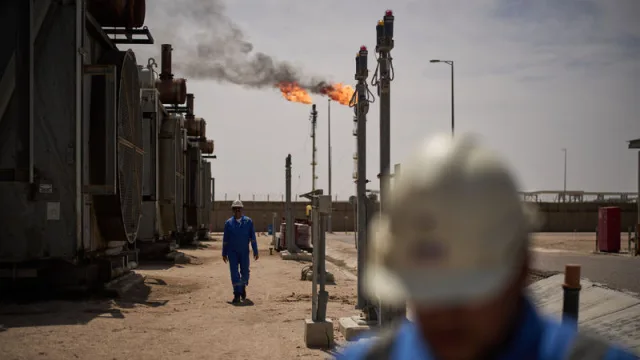
Oil prices eased after market participants interpreted diplomatic signals as increasing the likelihood that Iran could participate in talks with the United States in Islamabad. Traders priced out a portion of the geopolitical risk premium as hopes rose that negotiations might reduce the chance of wider supply disruptions.
According to coverage in Bloomberg HT, reports that Iran is sending a delegation to Pakistan’s capital and subsequent statements about U.S. envoys travelling to the region weighed on prices. Bloomberg HT noted Brent had retreated to around $94.44 a barrel after earlier gains, reflecting intraday swings tied to shifting perceptions about talks and leadership of the Iranian delegation. Uncertainty about who would lead Tehran’s team and the timing of meetings has kept volatility elevated.
Market data from the Associated Press show Brent trading near $95.10 per barrel, down roughly 0.4% on the session, while U.S. benchmark WTI slipped to about $86.66, a decline of roughly 0.9%, consistent with a modest pullback as diplomatic hopes rose. Earlier, more dramatic moves were recorded when Iran announced changes to Strait of Hormuz transit rules—Reuters reporting later cited double-digit percentage moves on days when shipping through Hormuz was reported to reopen or be restricted. Those prior swings underpin the still-present supply risk in markets.
The episode highlights the tug-of-war between diplomatic progress and structural supply concerns. Restoration of normal traffic through the Strait of Hormuz would materially reduce a key tail risk for global seaborne oil flows, but even coordinated transit arrangements require time to normalize logistics and insurance conditions. As a result, oil remains vulnerable to headline risk tied to on-the-ground naval and diplomatic developments.
Analysts say short-term direction will be governed by concrete outcomes from any Islamabad meetings and by developments around the ceasefire timelines. Some strategists argue that a clear, verifiable commitment to keep shipping lanes open would prompt a further unwind of risk premia, while others caution that absent a durable political settlement prices could re-price upward quickly. Market participants will closely watch subsequent statements from delegations, shipping movements through Hormuz and any extension or renewal of the ceasefire.
Related Symbols
💸 Ready to act on this news?
You need a brokerage account to invest. Compare 30+ trusted brokers in seconds — zero commission options available.
Comments (0)
No comments yet. Be the first to comment!