

Oil and natural gas plunge as Iran reviews U.S. proposal
Oil and natural gas prices tumbled after reports that Iran is reviewing a new U.S. proposal to end the near‑10‑week conflict, reducing the market risk premium.
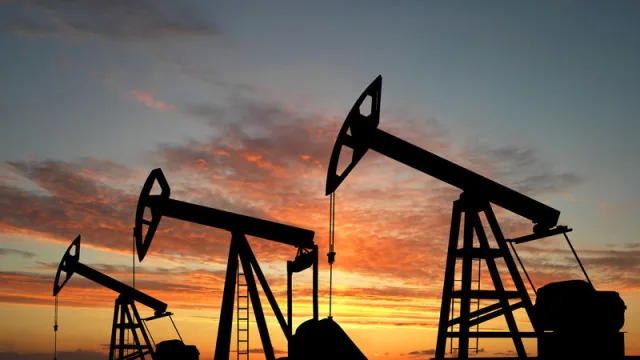
Oil and natural gas prices fell sharply after reports that Iran was reviewing a U.S. proposal aimed at ending the nearly 10‑week conflict in the Gulf. Markets reacted quickly as hopes for a diplomatic breakthrough reduced the large risk premium that had built into energy prices since late February.
The move was triggered by reports of a one‑page memorandum circulated via mediators, which markets interpreted as a possible framework to reopen shipping through the Strait of Hormuz and lift blockades gradually. Following the news, Brent crude futures dropped roughly 7–8% intraday to around $100 a barrel while U.S. WTI also fell sharply; European TTF gas futures slipped significantly as well. The headlines prompted a rapid repositioning by funds and algorithmic traders.
The price reaction supported equity markets and eased pressure on safe‑haven assets: stock indices rallied while bond yields softened as the perceived probability of a prolonged supply shock declined. Nevertheless, traders cautioned that the decline reflected headline‑driven positioning rather than an immediate restoration of physical flows; insurance, shipping, and port operations would take time to normalize even under a deal.
Contextually, the closure and partial blockade of the Strait of Hormuz earlier this year had removed a substantial share of seaborne oil and LNG flows, lifting global energy prices and leaving inventories under strain. Prior instances of ceasefire or pause‑for‑talks have produced sharp, but often short‑lived, drops in spot and futures prices for both crude and gas as traders reassess tail‑risk premia. Market structure, storage levels and logistics constraints mean that a confirmed agreement may take weeks to translate into sustained lower prices.
Market strategists say the near‑term outlook hinges on verification: concrete steps to reopen shipping lanes, the pace at which sanctions or blockades would be eased, and Iranian parliamentary or command‑level signoffs. Until those elements are observable, volatility will likely remain elevated and energy desks will monitor both diplomatic dispatches and physical flow indicators closely. A confirmed, durable ceasefire and orderly reopening would probably drive further downside for prices; conversely, any breakdown would quickly push risk premia back up.
💸 Ready to act on this news?
You need a brokerage account to invest. Compare 30+ trusted brokers in seconds — zero commission options available.
Comments (0)
No comments yet. Be the first to comment!