

Nvidia Stock Rebounds: 3 Key Reasons Fueling Continued Gains
AI chip leader Nvidia's stock has shown a strong rebound since late July. The company's new product architecture, surging AI spending by hyperscalers, and robust analyst expectations are driving this ascent.
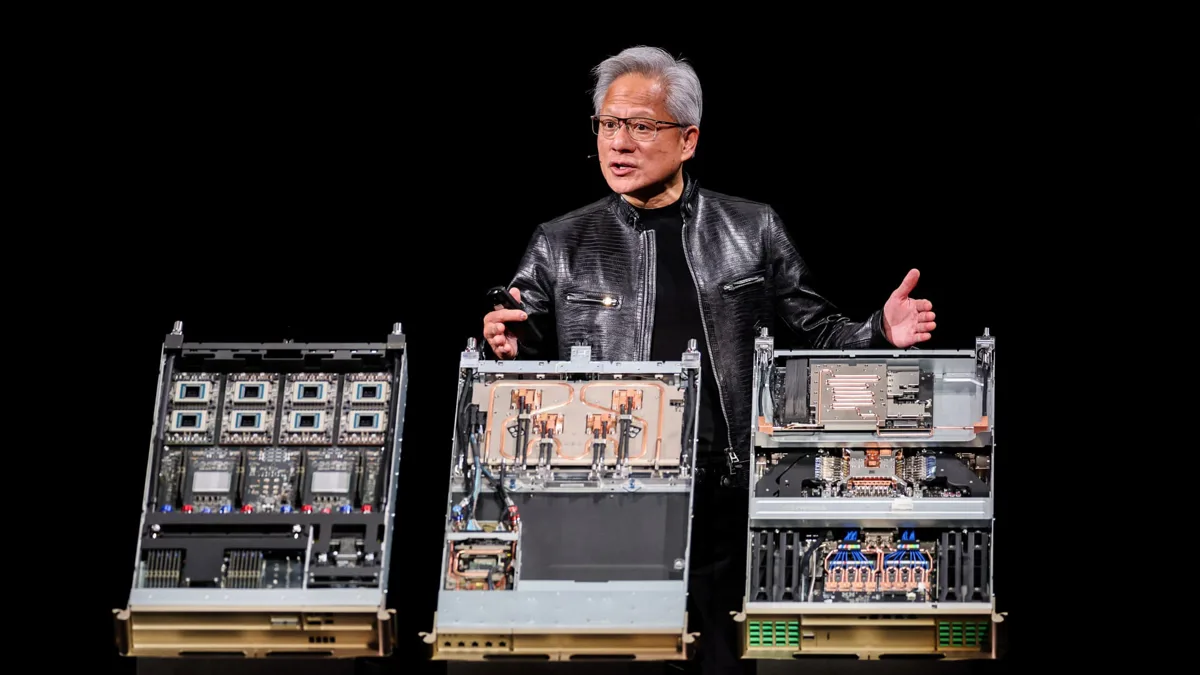
Nvidia (NVDA) shares, a leading player in the artificial intelligence (AI) chip market, have recently demonstrated a remarkable resurgence, once again drawing significant investor attention. This revitalization, which began in late July, signals strong future growth potential for the company. The escalating global demand for AI infrastructure, in particular, is cementing Nvidia's market leadership and positively impacting its stock performance. The company's market capitalization has reached record levels in recent weeks.
One of the most significant factors behind Nvidia's rally is the robust demand for AI infrastructure from hyperscalers and enterprise customers. Major technology companies like Google (GOOGL), Amazon.com (AMZN), and Meta Platforms (META) have announced plans to increase their capital expenditures to enhance AI capabilities. This development has further fueled the need for Nvidia's graphics processing units (GPUs). According to an Omdia report from July 2026, the semiconductor revenue forecast for 2026 has been raised by 94.1% year-over-year, driven by exceptional growth in DRAM and NAND as AI demand continues to outpace global supply. Deloitte also projects that generative AI chips will approach US$500 billion in revenue in 2026.
Strong endorsement for the company's new product architectures is another key development driving stock performance higher. SpaceX (SPCX) CEO Elon Musk, during his company's first-ever earnings call, lauded Nvidia's upcoming Vera Rubin chip architecture as "the best" and stated that SpaceX has "decided to build exclusively on Nvidia" moving forward. This declaration once again highlighted Nvidia's technological superiority and innovative prowess. Demand for the Blackwell architecture continues to outpace supply, and the Rubin platform is expected to extend AI leadership into 2027.
Nvidia's financial performance and analyst expectations are also among the core elements boosting investor confidence. The company reported revenue of $81.6 billion in the first quarter of fiscal year 2027, marking an 85% year-over-year growth, with 92% of this growth coming from data center revenues. For the second quarter, revenue is projected to be around $91 billion. Analysts generally assign a "Strong Buy" rating to Nvidia stock, with an average price target indicating substantial upside potential from current levels. Furthermore, the company's consistent track record of surpassing Wall Street's earnings per share (EPS) estimates in its last four quarters demonstrates its ability to outperform expectations.
In addition to these positive developments, Nvidia's partnership with six major Wall Street giants to establish a new $500 billion AI compute financing platform has resonated positively in the market. This platform aims to alleviate capital constraints for non-tech-giant customers and broaden funding sources for AI infrastructure. This strategic move could further solidify Nvidia's growth trajectory by supporting long-term GPU demand.
Looking ahead, the AI market is expected to continue its rapid expansion, and Nvidia is anticipated to maintain its leading position in this sector. Analysts foresee the company sustaining its revenue and profit growth in 2027 and beyond, thanks to its next-generation products and strong market presence. However, high expectations and an increasingly competitive landscape also bring pressure for the company to exceed expectations each quarter. Investors will closely monitor the company's second-quarter earnings report, scheduled for August 26, particularly its forward-looking guidance.
As AI chips are expected to constitute a significant portion of total revenue in the global semiconductor industry, Nvidia is projected to remain one of the primary beneficiaries of this trend. While supply chain bottlenecks and constraints in critical components like high-bandwidth memory (HBM) persist, Nvidia's robust R&D investments and strategic partnerships may help the company overcome these challenges.
Related Symbols
💸 Ready to act on this news?
You need a brokerage account to invest. Compare 30+ trusted brokers in seconds — zero commission options available.
Comments (0)
No comments yet. Be the first to comment!