

Nvidia's AI Moat Shifts from Chips to Capital Advantage
Nvidia, still dominant in AI chips, now leverages its strong capital as a strategic advantage amid rising competition. The company is securing multi-billion-dollar financing deals with Wall Street firms to back AI infrastructure investments.
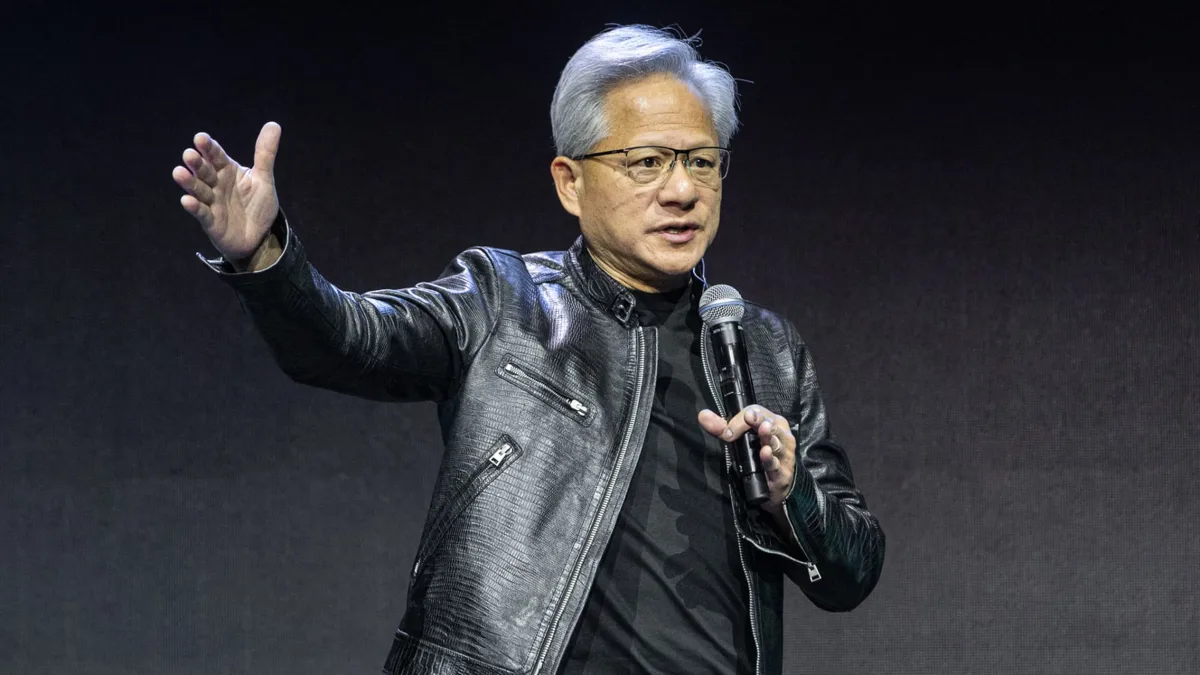
Nvidia, a leading player in the artificial intelligence (AI) sector, is undergoing a significant shift in its strategy to maintain market dominance. The company is expanding its competitive advantage, traditionally rooted in technological superiority in chip manufacturing, towards a capital-based approach by utilizing its robust financial structure. This strategic move involves signing multi-billion-dollar agreements with prominent Wall Street financial institutions to support AI infrastructure projects.
Recently, Nvidia has established innovative financing mechanisms to meet the surging demand for AI chips and strengthen the AI ecosystem. The company announced plans to mobilize over $500 billion in third-party capital for AI infrastructure build-out through partnerships with major financial firms including Apollo, BlackRock, Blackstone, Brookfield, Goldman Sachs, and KKR. These collaborations aim to create dedicated financing platforms to facilitate the purchase of Nvidia's high-performance graphics processing units (GPUs).
In addition to these massive financing initiatives, Nvidia is reportedly providing up to $105 billion in financial support for OpenAI's large data center project in Ohio. Nvidia CEO Jensen Huang noted that the growth rate of many cutting-edge AI labs has outpaced their balance sheets and long-term credit capacity, necessitating external capital to fund AI infrastructure. The company has also stated its intention to guarantee up to 25% of these loans, or up to $125 billion.
Nvidia's financial strength forms the bedrock of this strategy. The company's quarterly free cash flow has surged 18-fold over the past three years, reaching $48.5 billion in the latest period. This robust cash flow and financing capability empower Nvidia to extend its AI competition beyond the chip domain into capital markets. Specifically, the agreement with OpenAI is projected to generate approximately $600 billion in computing business opportunities for Nvidia by 2030.
This strategic maneuver positions AI compute power as a new, investable asset class, akin to real estate. This development could broaden access to financing for AI infrastructure investments, thereby boosting the sector's growth potential and accelerating the widespread adoption of AI technologies. Through this approach, Nvidia aims to expand its control over the AI ecosystem and further solidify its market dominance.
Artificial intelligence technologies hold critical importance for the future of the global economy, with countries, governments, businesses, and startups making substantial investments in AI infrastructure to drive innovation, economic growth, and societal benefits. Nvidia's financial strategy highlights that AI is not merely a technological race but also an infrastructure race demanding immense capital. This situation directly impacts the pace and prevalence of AI developments, reshaping competitive dynamics within the sector.
Analysts indicate that Nvidia is expanding its control over the AI ecosystem through a “chip + capital” model, driving investments in AI infrastructure while further solidifying its market dominance. While competitors like Google's TPUs and AMD strive to narrow the technology gap, Nvidia's financial moves create a formidable financial “moat” that rivals will find difficult to replicate. In the coming period, demand for AI infrastructure is expected to continue growing, and Nvidia is anticipated to deepen this financing model, signaling significant long-term growth potential for the company.
Related Symbols
💸 Ready to act on this news?
You need a brokerage account to invest. Compare 30+ trusted brokers in seconds — zero commission options available.
Comments (0)
No comments yet. Be the first to comment!