

North Sea Oil's New Era: How Will UK PM Burnham's Decision Impact Markets?
The new UK Prime Minister Andy Burnham's support for North Sea oil and gas drilling signals a significant shift in the country's energy policies. This move brings the economic and political importance of the North Sea back to the forefront, despite dwindling reserves. The decision also highlights the delicate balance between energy security and climate goals.
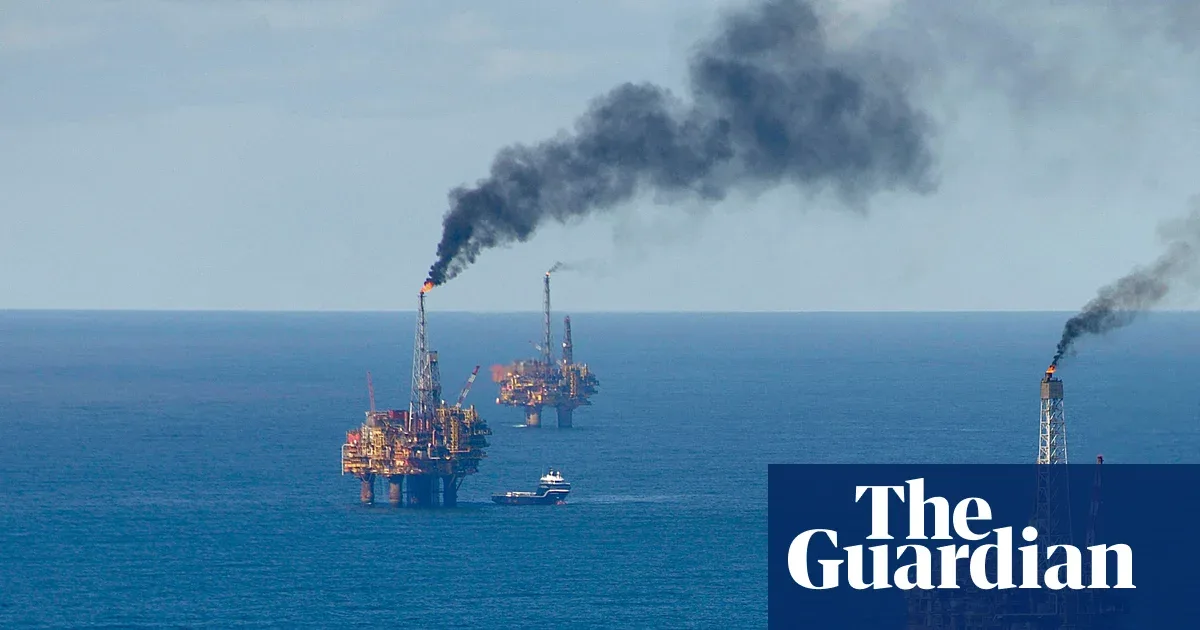
The new UK Prime Minister, Andy Burnham, is reportedly poised to back renewed oil and gas drilling in the North Sea, marking a critical juncture in the nation's energy policy. Despite the Labour Party's previous commitment against issuing new licenses, the Burnham administration aims to fast-track approvals for existing or licensed projects such as Rosebank and Jackdaw. This strategic pivot reflects an attempt to balance escalating energy security concerns with economic pressures.
North Sea oil, upon its initial discovery in 1969, became a driving force for the UK economy and a symbol of national power. However, over time, declining reserves and environmental considerations have impacted investments and production in the region. Government policies, including the Energy Profits Levy and drilling restrictions, have significantly reduced output and tax revenues. Analysts warn of a potential £10 billion loss in tax revenue by 2030. Nevertheless, the North Sea oil and gas sector continues to support approximately 200,000 UK jobs and has contributed around £400 billion to the Exchequer since production began.
The decision has also been influenced by pressure from former US President Donald Trump to lift drilling restrictions, with Prime Minister Burnham adopting a 'pragmatic' approach. Analysis by Offshore Energies UK (OEUK) suggests that a competitive tax and regulatory framework for the North Sea could unlock an additional £50 billion in investment, generate over £13 billion in extra tax receipts, and support tens of thousands of jobs. These developments could indirectly affect benchmark prices such as Brent crude oil, a key indicator for global energy markets. Brent crude prices are significantly influenced by North Sea production decisions, as well as broader geopolitical events, including tensions in the Middle East.
This policy shift underscores the profound dilemma facing the UK: balancing its commitment to achieving net-zero emissions by 2050 with the imperative of ensuring energy security and fostering economic growth. Critics argue that new North Sea drilling will not significantly reduce household bills, as prices are set on global markets, and a large portion of the oil produced is exported internationally. Conversely, proponents argue that domestic production reduces reliance on imports and carries a lower carbon footprint compared to imported Liquefied Natural Gas (LNG).
Analysts and industry stakeholders emphasize that a policy reset is crucial for revitalizing the North Sea energy industry. OEUK projects that with a stable tax regime and supportive policies, an additional 1.1 billion barrels of oil could be produced by 2035, potentially meeting half of the UK's oil and gas needs. Prime Minister Burnham faces a challenging decision, navigating between adhering to climate targets and addressing pressures to alleviate the energy crisis and support employment. The forthcoming decisions are expected to have substantial implications for both the UK's energy future and global energy markets.
Related Symbols
💸 Ready to act on this news?
You need a brokerage account to invest. Compare 30+ trusted brokers in seconds — zero commission options available.
Comments (0)
No comments yet. Be the first to comment!