

MUFG Tests Real-Time Blockchain Settlement for Japanese Government Bond Repos
MUFG is testing real-time blockchain settlement for Japanese government bond (JGB) repo transactions. This proof-of-concept on the Canton network aims to cut traditional settlement times, enhancing operational efficiency.
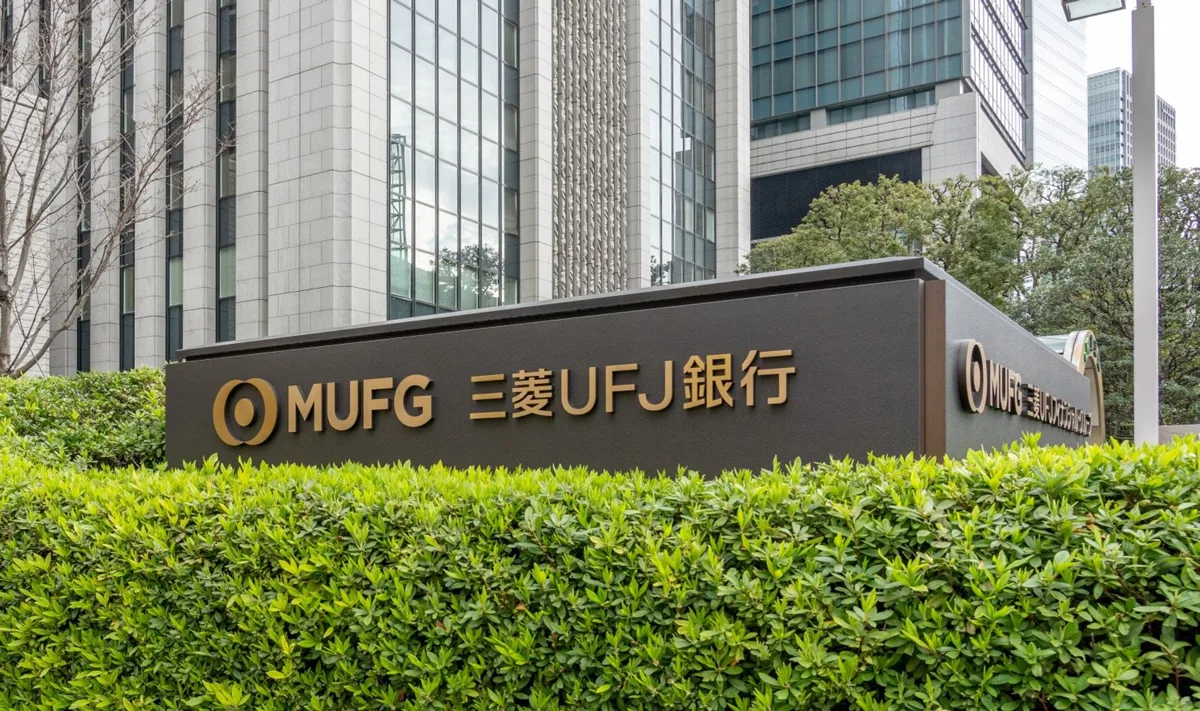
Mitsubishi UFJ Financial Group (MUFG) has announced the launch of a significant proof-of-concept (PoC) project to test real-time settlement of Japanese government bond (JGB) repo transactions using blockchain technology. This initiative aims to enhance operational and capital efficiency in financial markets by reducing traditional settlement periods, which typically take 1 to 3 days, to near real-time. As one of Japan's largest financial institutions, MUFG's move aligns with the global trend of digitalization and blockchain integration within the financial sector.
The project is being conducted on the Canton network, a blockchain platform specifically designed for institutional finance. Four MUFG companies, including MUFG Bank, Mitsubishi UFJ Morgan Stanley Securities, and Mitsubishi UFJ Trust and Banking, are collaborating with Digital Asset and Progmat to bring JGB repo transactions on-chain. This PoC is designed to provide operational efficiency through the automation of the full repo transaction lifecycle and improve funding and capital efficiency through real-time intraday repo transactions. Importantly, the project does not tokenize the JGBs themselves; instead, it places only the settlement leg of transactions using existing government bonds onto the blockchain.
The reduction in traditional settlement times could have a significant impact, particularly in the repo market. In Japan's vast repo market, with outstanding balances of approximately $1.7 trillion, making the current T+1 settlement instantaneous would dramatically improve capital efficiency for institutional investors. With a real-time, 24/7 settlement model, market participants can benefit from tighter liquidity management and more flexible intraday financing for collateral movements. This has the potential to increase market liquidity while also reducing counterparty risk.
MUFG's step reflects a growing global trend among financial institutions to explore blockchain technology for core market infrastructure. Financial institutions in Europe and the U.S. have also expanded similar proof-of-concept projects. For instance, JPMorgan's Kinexys network has supported intraday U.S. Treasury-bond repos on a blockchain-based system since 2020. This pilot initiative, selected under the Payment Innovation Project led by Japan's Financial Services Agency (FSA), is part of the country's broader efforts to modernize its financial system and integrate digital infrastructure into traditional capital markets.
Analysts and market experts emphasize that such blockchain-based solutions are critical for the future of financial markets. MUFG aims to complete these proof-of-concept tests by the end of the year and target commercial deployment between fiscal years 2027 and 2029. As the project progresses, MUFG is expected to work in close collaboration with relevant authorities and other financial institutions both domestically and internationally. These developments have the potential to create new digital business opportunities within Japan's financial ecosystem and could make collateral management and short-term funding markets more efficient.
💸 Ready to act on this news?
You need a brokerage account to invest. Compare 30+ trusted brokers in seconds — zero commission options available.
Comments (0)
No comments yet. Be the first to comment!