

Moderate Increase in FX Deposits: Domestic Residents Boost Dollar Holdings
According to Central Bank of the Republic of Turkey data, foreign currency deposits, adjusted for parity effects, increased by $266 million in the week ending June 16. While individual deposits saw a decline, corporate foreign currency holdings rose.
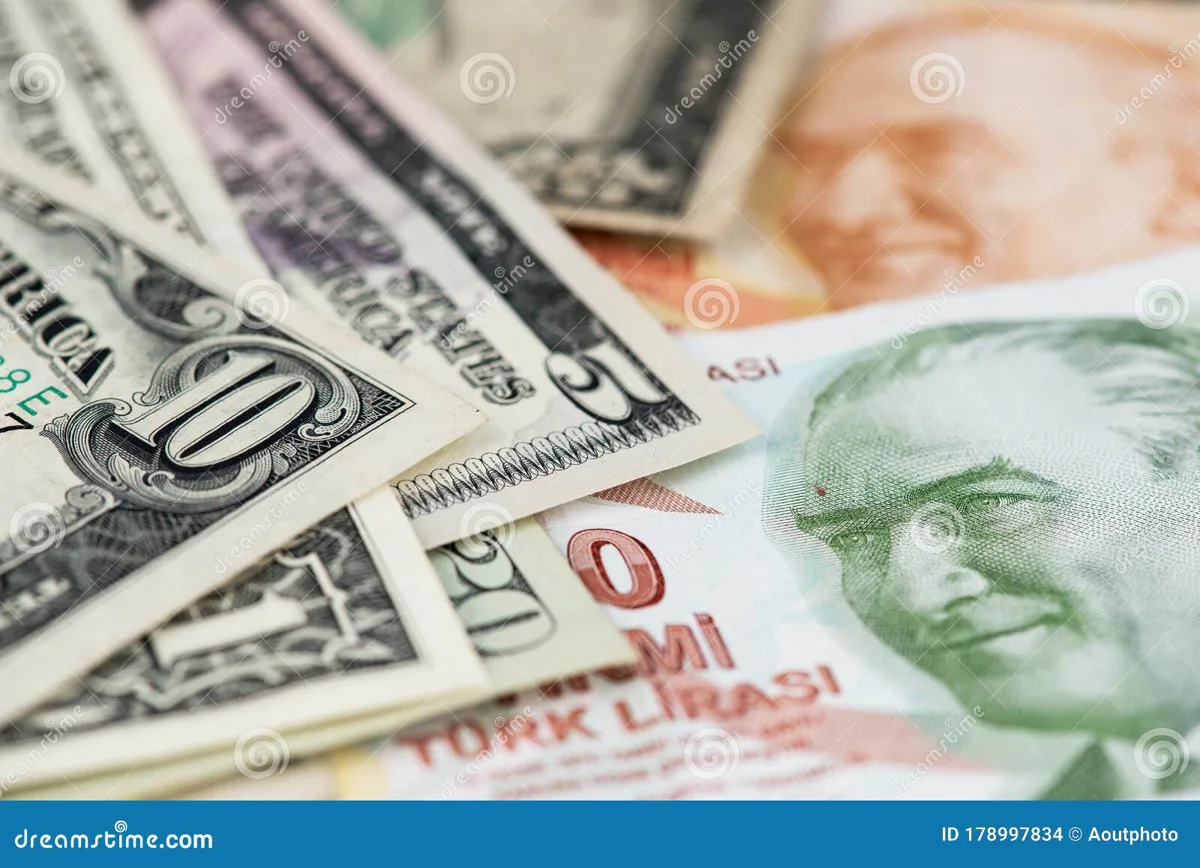
According to data released by the Central Bank of the Republic of Turkey (TCMB), foreign currency (FX) deposits, adjusted for parity effects, recorded a moderate increase of $266 million in the week ending June 16. This rise follows a significant increase in the previous week, highlighting the dynamic shifts in domestic residents' foreign currency holdings.
As per the TCMB's Weekly Money and Banking Statistics, the total foreign currency deposits held by domestic residents reached $222.07 billion as of June 12, after adjusting for parity effects. A detailed examination of the data reveals a notable divergence in deposit composition. While real persons' FX deposits decreased by $560 million, legal entities (corporations) saw an increase of $826 million in their foreign currency holdings during the same period. This indicates a continued inclination among corporate entities to hold foreign currency.
The $266 million increase in the week ending June 16, 2026, comes after a larger increase of $1.659 billion in foreign currency deposits in the preceding week (ending June 5). This fluctuating trend reflects the dynamic nature of foreign currency demand and supply within the Turkish banking system. Concurrently, the balance in the Currency Protected Turkish Lira Deposits (KKM) continued its downward trajectory, decreasing by 31 million Turkish Lira to 279.8 million Turkish Lira last week.
These fluctuations in foreign currency deposits reflect the cautious sentiment among domestic economic actors regarding the Turkish Lira and inflation expectations. While the overall increase is modest, the decline in real persons' deposits suggests sensitivity in household foreign exchange preferences. The rise in corporate foreign currency holdings, on the other hand, could be interpreted as a strategy by businesses to hedge against potential currency volatility or manage their import/export-related currency exposures.
These developments occur within the broader context of the Central Bank's efforts to implement a tight monetary policy aimed at achieving price stability and rebuilding its international reserves. The TCMB has reiterated its commitment to a free-floating exchange rate regime but reserves the right to intervene to ensure the smooth functioning of foreign exchange markets. The government's 2026-2028 Medium-Term Program also emphasizes increasing international reserves and maintaining a restrictive policy stance to bring inflation down to target levels.
Analysts closely monitor foreign currency deposit trends as an indicator of public and corporate confidence in the local currency and the broader economic outlook. While the recent increase provides some stability, the underlying dynamics, especially the decline in real persons' deposits, suggest that confidence building remains a key challenge for policymakers. Future trends in foreign currency deposits will largely depend on the Central Bank's ability to sustain disinflation, manage interest rate policies effectively, and maintain a predictable economic environment. The market will continue to watch for further data from the TCMB for clearer signals on the direction of capital flows and savings preferences.
💸 Ready to act on this news?
You need a brokerage account to invest. Compare 30+ trusted brokers in seconds — zero commission options available.
Comments (0)
No comments yet. Be the first to comment!