

Millions in Great Britain Could Face Short-Notice Emergency Power Cuts
Great Britain's National Energy System Operator (Neso) has been granted new powers to implement emergency rolling blackouts with short notice to prevent widespread system collapse when energy supplies run low. These new rules mean millions of households could face rotating power cuts without extensive prior warning. The changes come into effect this week, enabling the system operator to intervene more swiftly to stabilize the grid.
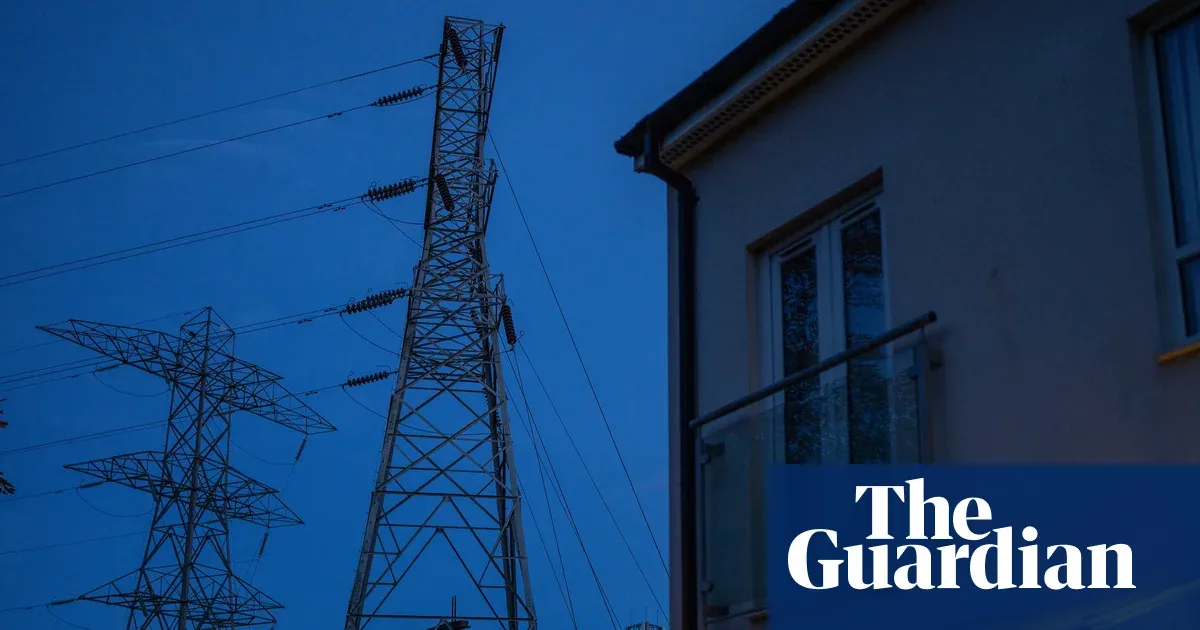
Great Britain's National Energy System Operator (Neso) has been equipped with new and expanded powers to implement emergency power cuts with short notice, aiming to avert widespread blackouts across the country when energy supplies become critically low. Effective this week, these changes allow Neso to call for rotating blackouts in emergencies without requiring government authorization, marking a last-resort measure to prevent a total system collapse.
The amendments to the grid codes were quietly approved by the industry regulator, Ofgem, late last month. This development signifies the first time Neso can directly implement large-scale power cuts to stabilize the grid without needing the government's emergency powers, which previously required the energy secretary's approval for prolonged disruptions. Neso states that the new measures are designed to be more flexible and can be initiated quicker, specifically targeting short-lived supply squeezes. The system operator will have the authority to disconnect homes and businesses within a designated area with as little as eight hours' notice, reducing electricity use by more than a fifth in each block. This could result in rolling three-hour blackouts across the country. Crucially, “protected sites” such as hospitals, water treatment works, and locations of national security interest will be exempt from any planned power cuts.
In addition to these new powers, Ofgem's separate approval for Neso to operate the grid with reduced safety margins (inertia levels) has also sparked controversy. Neso claims this change will save consumers £96 million annually and help meet the government's 2030 clean power targets. However, major power companies like Drax and EDF have issued serious warnings, suggesting the move could increase the risk of nationwide blackouts and compromise safety and reliability. Furthermore, whistleblowers within Neso recently alleged attempts to cover up blackout risks during a recent heatwave, adding to the scrutiny surrounding the grid operator's decisions.
These developments underscore the increasing fragility within the UK's energy market and the challenges posed by short-term supply-demand imbalances. Neso emphasizes that the power cuts are a “last-resort contingency measure” to prevent a total system collapse, which could take five to seven days to restore electricity completely. Major energy firms warn that the economic losses from a potential system failure would far outweigh the projected savings from operating with reduced safety margins. Recent events, such as heatwaves and a solar eclipse scheduled for this week, have already placed significant pressure on the grid, prompting suppliers like Octopus Energy to urge consumers to reduce electricity consumption.
The UK electricity grid is undergoing significant reforms in 2026, grappling with challenges such as long connection queues for renewable energy projects. The transition to intermittent renewable sources like wind and solar creates new stability challenges for the grid, as they do not provide the natural inertia offered by fossil fuel plants. This situation fuels ongoing political debate surrounding Britain's ambitious net-zero carbon emission targets and the associated costs. The Department for Energy Security and Net Zero (DESNZ) has introduced a legally binding Electricity System Restoration Standard (ESRS), obliging Neso to restore 100% of Great Britain's electricity demand within five days by December 31, 2026.
Neso states that the new emergency power cut powers will only be utilized in the “most extreme and unlikely circumstances” and “after all other available options have been exhausted.” However, industry analysts and major energy companies continue to express concerns regarding the potential risks of operating the grid with lower inertia levels. This situation highlights the complex balancing act the UK faces in ensuring energy security while pursuing its climate goals and the potential challenges that lie ahead in its energy transition journey.
💸 Ready to act on this news?
You need a brokerage account to invest. Compare 30+ trusted brokers in seconds — zero commission options available.
Comments (0)
No comments yet. Be the first to comment!