

Milk prices fall below production cost, farmers warn of sales surge
Farmers warn milk payments have dropped below production cost and that more family farms may be sold unless dairy prices recover quickly.
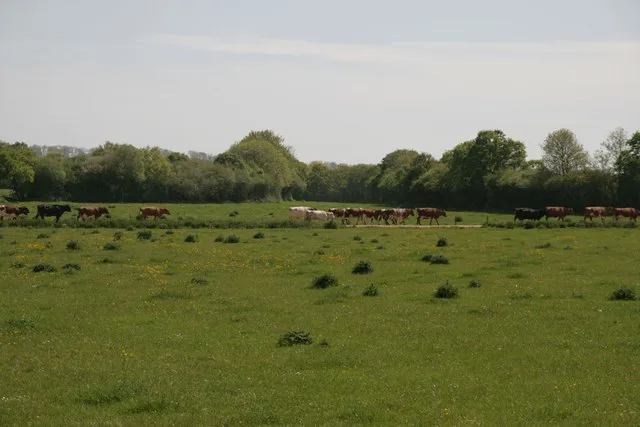
Milk prices have fallen below the cost of production in several markets, prompting farmers—particularly family-run dairies—to warn that more farms could be sold or shut down unless prices rebound rapidly. The situation has triggered public appeals to processors and policymakers for urgent action.
The downturn stems from a build-up of supply alongside weaker-than-expected demand. Major processors have cut the prices they pay to suppliers in recent months, and producer associations report steep declines in farmgate returns. In the UK, for example, farmgate payments fell sharply through late 2025 and into early 2026, squeezing margins for many smaller producers and disrupting previously stable supply contracts.
The price slump is not isolated to the UK. Global oversupply of milk and weakness in certain dairy commodity markets—such as butter and some cheese classes—have pushed average milk price indicators down, leaving many producers receiving less than their full cost of production. That dynamic is draining working capital on farms, increasing reliance on credit and raising the risk of forced asset sales among indebted operators.
Structurally, the dairy sector is experiencing divergent pressures: per‑cow yields and production scale have risen in some regions even as the number of active family farms declines, which intensifies price transmission issues and concentrates market power among large processors and retailers. Policymakers and market bodies are assessing measures from enhanced price transparency and contract rules to targeted support for vulnerable farms, but reforms will take time to implement and to affect farmers’ cash flows.
Looking ahead, market analysts expect a gradual adjustment rather than a rapid recovery. Price normalization will depend on a combination of production discipline, seasonal demand improvements and stronger export demand for processed products. In the interim, industry experts point to renegotiated supply contracts, cost-control measures on farms and potential short-term safety nets as the most realistic options to prevent a sharper wave of farm exits and preserve rural supply capacity.
💸 Ready to act on this news?
You need a brokerage account to invest. Compare 30+ trusted brokers in seconds — zero commission options available.
Comments (0)
No comments yet. Be the first to comment!