

Middle East Tensions Drive Oil Prices, UK Borrowing Costs Higher
Oil prices surged to a four-week high following renewed US-Iran attacks and a blockade on Iranian shipping. European shares declined, while the UK's government borrowing costs also experienced an uptick amidst escalating geopolitical risks.
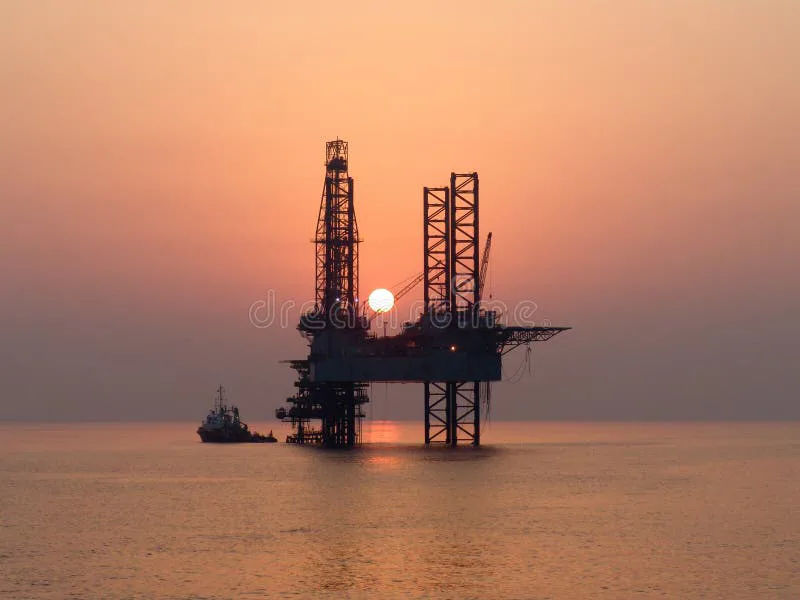
Escalating geopolitical tensions in the Middle East have significantly driven up global oil prices and increased the UK government's borrowing costs, causing notable ripples across financial markets. Specifically, renewed exchanges of attacks between the United States and Iran, coupled with the reimposition of a naval blockade on Iranian shipping by the US, have heightened uncertainty in energy markets, pushing Brent crude oil prices to their highest level in four weeks. This situation has elevated investors' risk perception, leading to declines in European equity markets.
The developments gained momentum as Washington and Tehran traded attacks, and the U.S. reimposed its naval blockade against Iran. The U.S. Central Command (CENTCOM) announced that it would begin blockading maritime traffic entering and exiting Iranian ports as of Tuesday, July 14. This escalation propelled Brent crude's per-barrel price by $3.79 to $87.08, marking a 4.55% increase and its highest point since June 12. Oil prices had already surged by nearly 10% on Monday. It's noteworthy that a memorandum of understanding was signed between the U.S. and Iran on June 17 to end the conflict, initiating negotiations for a permanent peace deal. However, recent events underscore the fragility of this ceasefire and the persistent instability in the region. The United Arab Emirates (UAE) reported that two of its tankers in the Strait of Hormuz were struck by Iranian cruise missiles.
The surge in geopolitical tensions has impacted not only oil markets but also broader financial markets. European stock markets closed lower, and the UK's government borrowing costs notably increased. The yield on the UK's 10-year government bond surpassed 5% for only the third time since the onset of the Iran war. Rising energy prices rekindle inflationary pressures, potentially increasing the burden on central banks regarding their interest rate policies. Concerns over disruptions in global supply chains have also contributed to selling pressure in the markets.
This tension in the Middle East holds critical importance for global energy supply security. The Strait of Hormuz is considered a key route for the global supply of oil and natural gas. Any instability in the region can directly affect oil and gas prices, creating a ripple effect on world economies. For major oil-consuming nations, in particular, an increase in energy costs emerges as a factor that could slow economic growth. Furthermore, U.S. policies in the region and Iran's responses have the potential to influence global power dynamics in the long run. Former U.S. President Donald Trump's suggestion of a 20% fee on cargo transiting the Strait of Hormuz further heightened the tensions.
While market analysts suggest that the peak of the current escalation might be behind us, they anticipate that upside risks to oil prices will persist if disruptions in the region continue. Experts warn that oil prices could remain in the $85-$90 range in the near term. However, the general consensus is that the situation remains unstable, and the current ceasefire is quite fragile. Therefore, markets will continue to closely monitor developments in the region and the potential impact of geopolitical risks on the global economy. Expectations for interest rate hikes by the European Central Bank (ECB) and the Bank of England (BoE) have also risen in conjunction with increasing energy prices.
💸 Ready to act on this news?
You need a brokerage account to invest. Compare 30+ trusted brokers in seconds — zero commission options available.
Comments (0)
No comments yet. Be the first to comment!