

Mexico Reconsiders Fracking for Energy Sovereignty Amid US Gas Reliance
Mexican President Sheinbaum explores shale gas to curb U.S. import reliance. New tech and strict environmental rules are proposed for fracking in specific basins to protect freshwater.
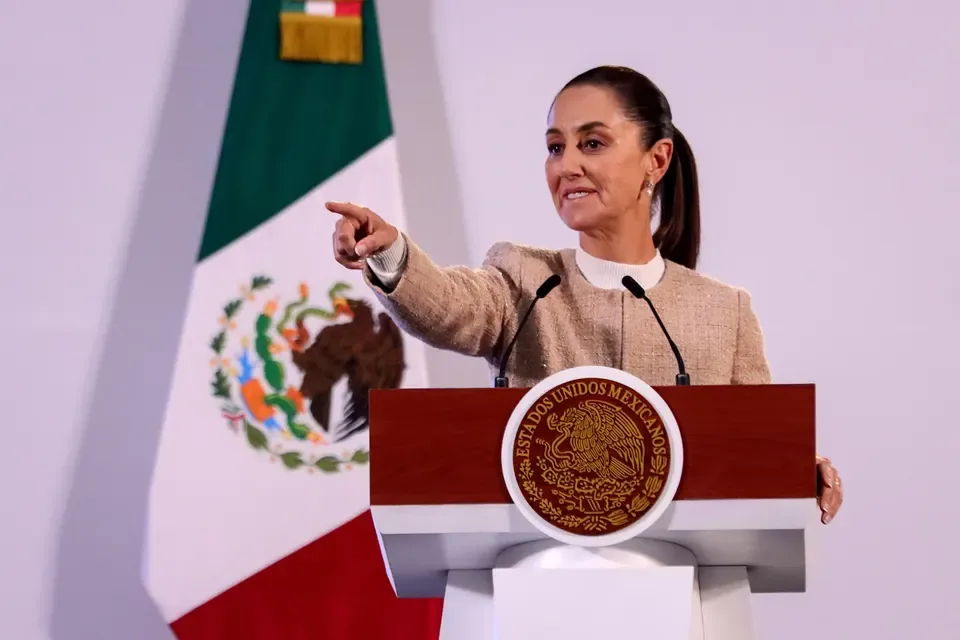
Mexican President Claudia Sheinbaum’s administration is re-evaluating its policies on shale gas production to reduce the country’s growing dependence on natural gas imports from the United States and bolster energy sovereignty. Sheinbaum, who previously opposed hydraulic fracturing (fracking), has indicated that the method could be applied in specific regions with new technologies to minimize environmental impacts. This strategic shift is seen as a crucial step towards ensuring Mexico's energy security.
Mexico currently imports approximately 70-75% of its natural gas demand via pipelines from the U.S., aiming to mitigate the economic and geopolitical risks associated with this reliance. According to Mexico's Energy Ministry data, in 2025, only 2.3 billion cubic feet per day (Bcf/d) of the total natural gas demand of 9.1 Bcf/d was met by domestic production, with the remaining 6.8 Bcf/d covered by imports. A scientific committee established under Sheinbaum's leadership assessed the feasibility of fracking and provided key recommendations. The committee advised against fracking in the Tampico-Misantla basin, citing high population density, the presence of indigenous communities, and freshwater aquifers.
However, the committee recommended further studies and potential fracking in other northern basins, such as Burgos and Sabinas-Burro-Picachos, provided specific environmental safeguards are met. These conditions include using saline water instead of freshwater, recycling at least 75% of the water used, ensuring hydraulic isolation from drinking-water aquifers, conducting community consultations, and establishing independent monitoring mechanisms. Sheinbaum emphasized that advancements in fracking technologies over the past 10-15 years, particularly the use of biodegradable chemicals and increased water recycling rates, could significantly reduce environmental impacts.
Mexico's natural gas imports from the U.S. have reached record highs, approaching 8 Bcf/d this summer, intensifying concerns about the country's energy supply security. Reports from Fitch Ratings suggest that Mexico’s reliance on U.S. natural gas will continue to grow, leaving the country vulnerable to exchange-rate fluctuations and supply disruptions. While an investment of 140 billion pesos (approximately 8.14 billion USD) in Mexico's energy infrastructure aims to expand and modernize the natural gas pipeline network, increasing domestic production remains strategically vital.
Despite possessing vast shale gas resources, estimated up to 141 trillion cubic feet (Tcf) in some accounts, Mexico has yet to fully exploit this potential. State-owned oil company Petróleos Mexicanos (Pemex) aims to boost domestic gas production by 2030, but the anticipated increase from conventional fields alone is not expected to significantly reduce import dependency. Consequently, shale gas production emerges as a critical option to meet the country's projected 30% increase in natural gas demand by 2030.
Analysts and market observers view this policy shift as a necessary step for Mexico's energy security. The Sheinbaum administration aims to reduce reliance on U.S. gas from 75% to 50% through these measures. However, public sensitivity regarding the environmental and social impacts of fracking, along with securing the consent of local communities, will be key determinants of the process. Moving forward, the effective use of new technologies that ensure environmental sustainability and garner social acceptance will be crucial for Mexico to achieve its energy independence goals.
💸 Ready to act on this news?
You need a brokerage account to invest. Compare 30+ trusted brokers in seconds — zero commission options available.
Comments (0)
No comments yet. Be the first to comment!