

Leading Economies' Borrowing Costs Hit Highest Since 2008 Crisis
Government borrowing costs in major advanced economies reached their highest levels since the 2008 financial crisis, or even earlier, driven by escalating inflation fears due to the Iran war. Bond yields surged in the US, UK, France, Germany, and Japan, as investors worry that rising energy prices will compel central banks to hike interest rates. This situation amplifies global market uncertainty and complicates monetary policy decisions for central banks.
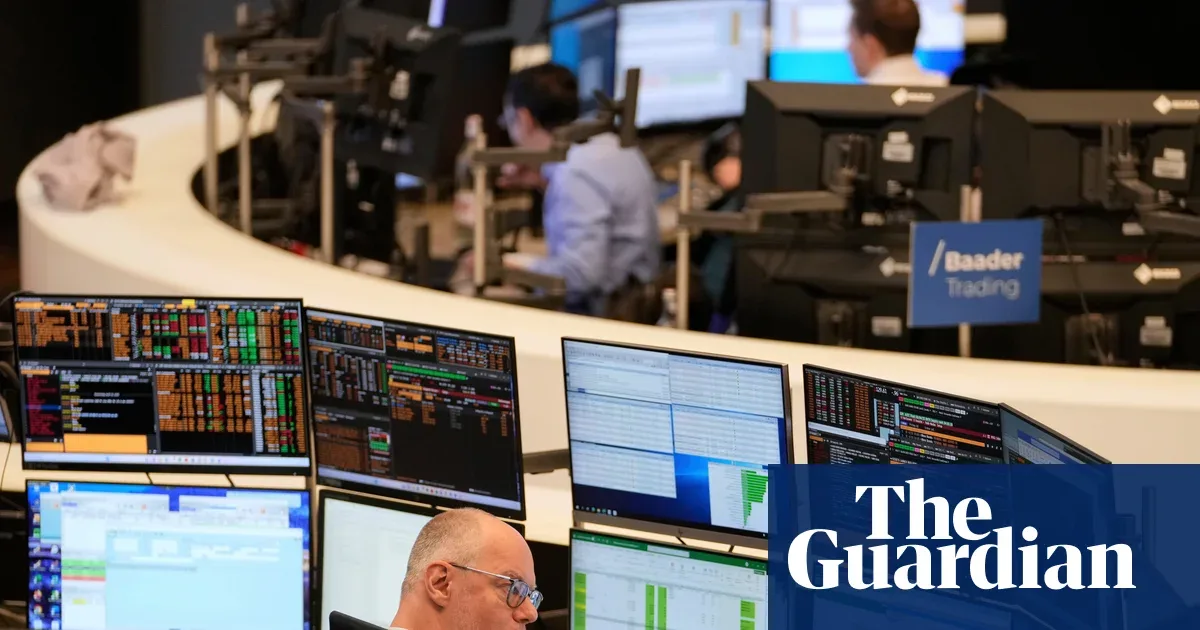
Government borrowing costs in leading advanced economies, including the United States, United Kingdom, France, Germany, and Japan, soared to their highest levels since the 2008 global financial crisis, or even earlier, on Monday. Investor concerns that the ongoing Iran war in the Middle East would keep global inflation persistently high prompted a demand for higher returns on government bonds, leading to a significant sell-off in global bond markets.
The escalation of the Iran war and the subsequent rise in oil and gas prices have been key drivers behind the surge in borrowing costs, fueling inflationary pressures. Oil prices climbed by 6% last week, with Brent crude continuing its ascent on Monday. The unresolved conflict between the US and Iran and disruptions to shipping routes through the Strait of Hormuz have triggered one of the largest supply disruptions in the history of the global oil market.
Consequently, the yield on 30-year French bonds rose to 4.8558%, its highest level since September 2008, while the 10-year French bond yield reached 4.0516%, a peak not seen since June 2009. Germany's 10-year Bund yield hovered around 3.20%, nearing its highest level since May 2011. In the US, the 30-year Treasury yield hit 5.29%, marking its highest point since 2007. These increases reflect market anxieties regarding high inflation and growing government spending.
In a broader economic context, the Iran war is seen as having an impact reminiscent of the 1970s energy crisis, characterized by acute supply shortages, currency volatility, inflation, and heightened risks of stagflation. Increased defense spending is also contributing to fiscal deficits, exerting upward pressure on long-term interest rates. Economists project that damage to energy infrastructure will take time to repair, potentially prolonging tightness in global markets even after a peace agreement.
Analysts and market expectations suggest central banks are navigating a challenging balancing act in this inflationary environment. The European Central Bank (ECB) is now priced with an over 85% probability of a rate hike in September, with some economists anticipating a maximum of one hike from the ECB. The US Federal Reserve (Fed), while potentially maintaining a more cautious stance, sees long-duration assets receiving less relief due to persistent fiscal and supply pressures. Experts warn that this situation could have significant implications for both equity and fixed-income markets, advising investors to maintain diversified portfolios and exercise caution.
These elevated borrowing costs make it more challenging for governments to finance their increasing debt burdens and establish a floor for all borrowing costs across the economy, intensifying pressure on businesses and consumers. With global inflation reaching a two-year high across OECD countries, expectations are solidifying that central banks, not just in the US but worldwide, may need to pursue more aggressive tightening policies.
💸 Ready to act on this news?
You need a brokerage account to invest. Compare 30+ trusted brokers in seconds — zero commission options available.
Comments (0)
No comments yet. Be the first to comment!