

Kevin Warsh enters the Fed facing a big 'family fight' over rate cuts
Rising inflation and surging Treasury yields mean Kevin Warsh is likely to confront strong resistance at the Fed over rapid interest-rate cuts.
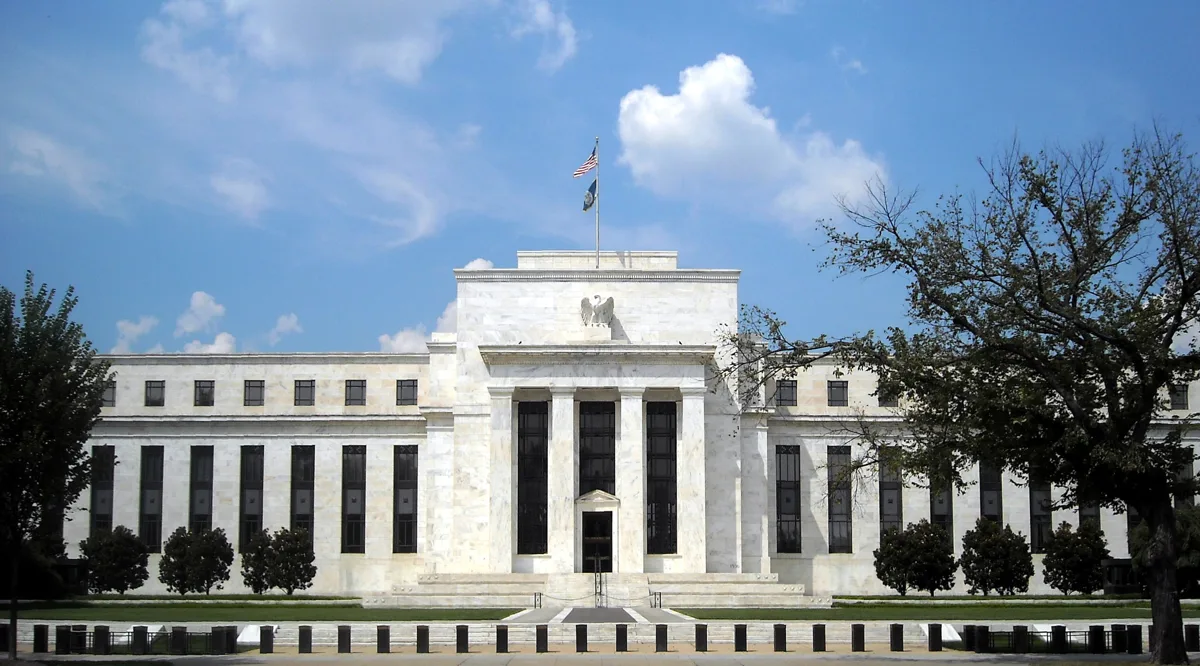
Kevin Warsh's arrival at the Federal Reserve (Fed) comes amid renewed inflationary pressures and a jump in Treasury yields, setting the stage for what he has described as a possible 'family fight' over policy direction. While Warsh has signaled he prefers more vigorous debate at policy meetings, many current Fed officials are not inclined toward swift, large-scale rate cuts.
The nomination and confirmation process highlighted key fault lines. At his hearings Warsh emphasized labor market resilience and favored trimmed-mean inflation measures, but other Fed officials point to core Personal Consumption Expenditures (PCE) readings and recent energy-driven price pressures as reasons to be cautious about easing. President Donald Trump has publicly urged deep rate cuts, but several regional presidents and board members remain concerned that cutting too soon could rekindle inflation.
Market signals reflect those divisions: the U.S. 10-year Treasury yield climbed and the dollar strengthened as investors pushed out expectations for significant policy easing. Some policymakers even debated wording that would signal the next move could be a hike as readily as a cut, underscoring how inflation developments and geopolitical shocks have complicated a clear path toward rate reductions.
In the broader context, higher oil prices and geopolitical tensions—most notably in the Middle East—have reintroduced upside risks to inflation, challenging those who favor an early easing cycle. Warsh has advocated treating balance-sheet strategy and interest-rate policy as complementary tools, but most of his prospective colleagues view balance-sheet changes as distinct except in crisis conditions, limiting near-term scope for rapid easing.
Analysts expect Warsh to encounter resistance if he presses for steep cuts immediately. The likely near-term outcome is a period of more contested meetings and data-dependent policy, with markets and officials watching inflation and labor-market indicators closely before endorsing a sustained easing path. Whether Warsh's call for a 'good family fight' produces better decisions or deeper division will depend on how incoming data alter the trade-off between growth and price stability.
💸 Ready to act on this news?
You need a brokerage account to invest. Compare 30+ trusted brokers in seconds — zero commission options available.
Comments (0)
No comments yet. Be the first to comment!