

Iran war: Hormuz closure could trigger global recession and the US
A one‑year Strait of Hormuz closure could cut global energy supply by roughly 7–8%; resulting oil shocks, layoffs and recession risks would also hit U.S. firms.
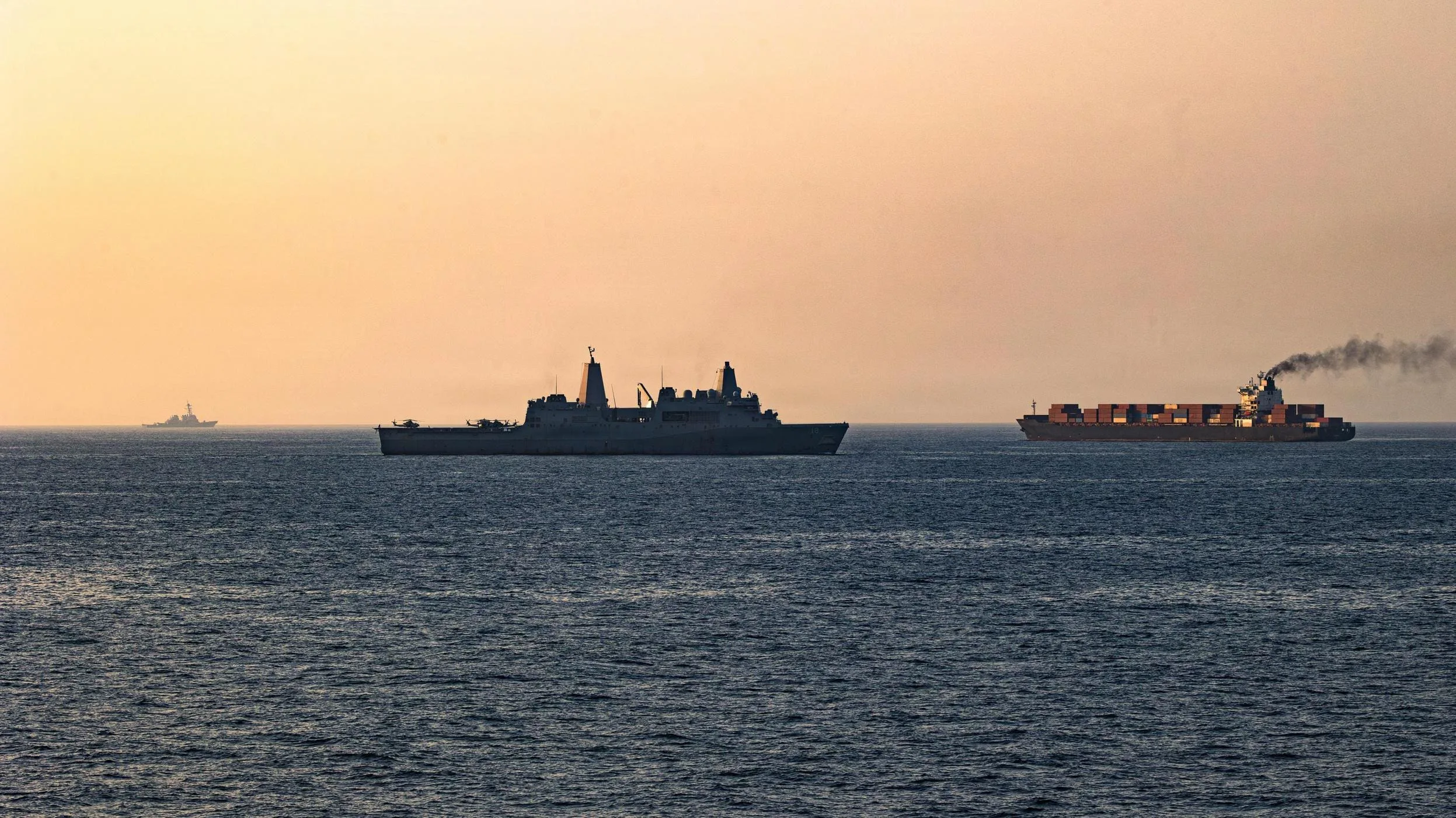
The escalation of the Iran conflict and an effective halt to shipping through the Strait of Hormuz have created a severe global energy shock. International Energy Agency assessments and market data indicate the closure has removed a material share of seaborne oil and LNG flows, producing one of the largest supply disruptions in modern history.
The disruption unfolded as tanker traffic stalled and several Gulf producers curtailed output; the IEA’s March briefing projected an approximate 8 million barrels-per-day drop in global supply for the month and coordinated emergency stock releases were mobilized to calm markets. At the same time, the International Monetary Fund updated its World Economic Outlook, warning that a prolonged energy shock could materially downgrade global growth and raise the probability of recession under adverse scenarios.
Market transmission has been swift: crude benchmarks spiked, and energy-driven cost increases are feeding into transportation, manufacturing inputs and consumer prices. While the United States imports a smaller share of Gulf crude than some Asian economies, disruptions via Hormuz and the resulting global price surge transmit through commodity and input costs to U.S. firms and households. Energy Information Administration data underscore that the route’s closure has outsized effects on global flows even if direct U.S. dependence is limited.
Beyond oil, the shock affects LNG, fertilizers and energy-intensive commodities, amplifying inflationary pressures and complicating central bank policy. The IMF’s April 2026 WEO lays out scenarios in which sustained high energy prices lead to lower growth and higher inflation, increasing the risk that monetary tightening and weaker demand could push some regions into recessionary territory.
Analysts and major asset managers warn that if disruptions persist, corporate earnings, hiring and investment will suffer; some forecasts estimate significant monthly job shortfalls in exposed sectors and portfolio managers have described the risk of a “stark” global downturn at very high sustained oil prices. The near-term outlook depends on whether shipping lanes reopen and spare capacity can be redeployed; until then, markets should expect heightened volatility, higher risk premia and more cautious corporate guidance.
Related Symbols
💸 Ready to act on this news?
You need a brokerage account to invest. Compare 30+ trusted brokers in seconds — zero commission options available.
Comments (0)
No comments yet. Be the first to comment!