

Iran Set to Access $300 Billion Reconstruction Fund in Peace Deal
A $300 billion private investment fund is reportedly planned for Iran's reconstruction as part of a looming peace agreement with the U.S. This fund aims to support Iran's economic recovery and development efforts. The deal also includes significant economic incentives like the reopening of the Strait of Hormuz and sanctions relief.
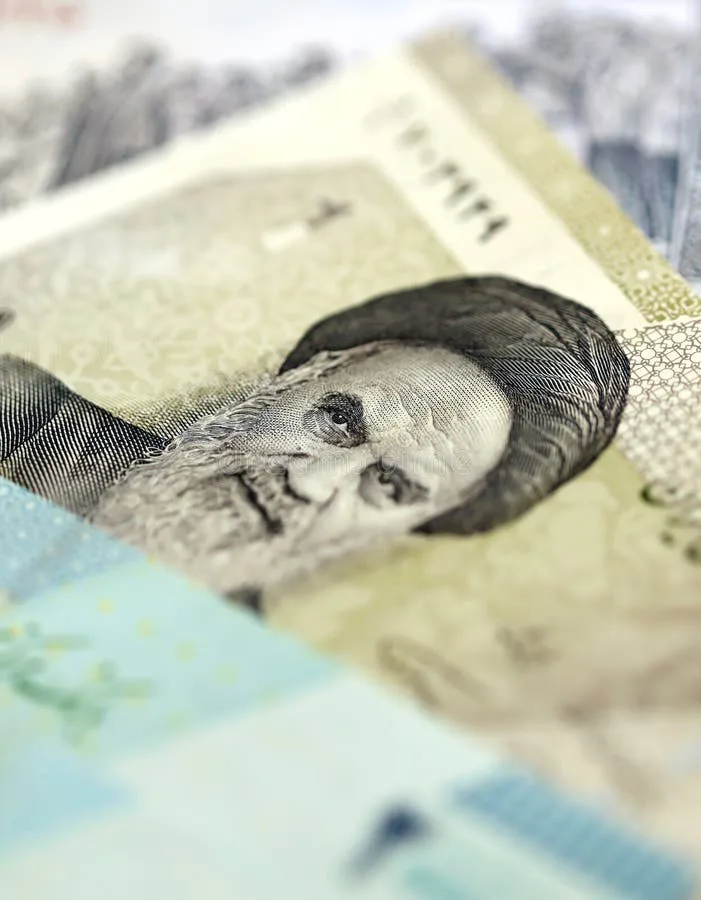
A monumental $300 billion private investment fund is reportedly on the horizon for Iran as part of a comprehensive peace agreement framework with the United States, aiming to conclude protracted tensions. The memorandum of understanding, expected to be formally signed in Switzerland this Friday, June 19, is set to offer Tehran a substantial economic incentive package for its post-conflict recovery. This fund is intended to significantly contribute to Iran's reconstruction and economic development processes.
According to reports, the $300 billion fund is not government money or grants, but rather a private investment vehicle. Expected to be named the "Reconstruction and Development Fund," more than half of its total has already been committed by companies based in the U.S., Gulf Arab states, Asia, South America, and Africa. The primary objective of the fund is to provide an economic incentive for both parties to finalize a broader deal and to catalyze investment into Iran. Iranian officials had initially sought $400 billion in war damages from the U.S., but Washington's refusal led to the emergence of this fund concept.
Under the terms of the agreement, Iran's access to this fund and other economic incentives is contingent upon its compliance with commitments. These include dismantling its nuclear program, eliminating its enriched material stockpile, accepting stringent inspections, and reopening the Strait of Hormuz. These steps are considered crucial for ensuring regional stability and addressing international security concerns.
The deal is poised to bring significant economic benefits to Iran. Immediate economic incentives, such as sanctions relief, access to frozen assets, and the right to sell oil, will alleviate the country's financial strain. Crucially, the reopening of the Strait of Hormuz to commercial shipping is expected to ease global energy markets, securing the flow of oil and gas. This development could exert downward pressure on energy prices and support global economic growth.
The agreement presents a politically sensitive issue for the administration of U.S. President Donald Trump. Trump had previously criticized the 2015 Iran nuclear deal, labeling it a massive financial giveaway to Tehran. Consequently, he has emphasized that the current agreement does not involve the U.S. "paying" Iran, but rather facilitates private sector investments. U.S. Vice President JD Vance also clarified that the fund would be backed by a coalition of Gulf states, with no direct American money going to Iran.
Moving forward, the initial 60-day ceasefire and nuclear negotiation period outlined in the agreement will be closely monitored. During this time, the future of Iran's nuclear program and other contentious issues will be addressed. The Reconstruction and Development Fund is slated to be established and become operational only after the final deal is officially signed. Analysts suggest that while the agreement has the potential to de-escalate regional tensions and enhance global energy supply security, the specifics of its implementation will be critical.

💸 Ready to act on this news?
You need a brokerage account to invest. Compare 30+ trusted brokers in seconds — zero commission options available.
Comments (0)
No comments yet. Be the first to comment!