

IQM launches HPC integration to speed hybrid quantum-HPC adoption
IQM enables Radiance quantum systems to run as Slurm nodes in HPC centers, scheduling quantum jobs alongside CPUs and GPUs to accelerate hybrid workflows.
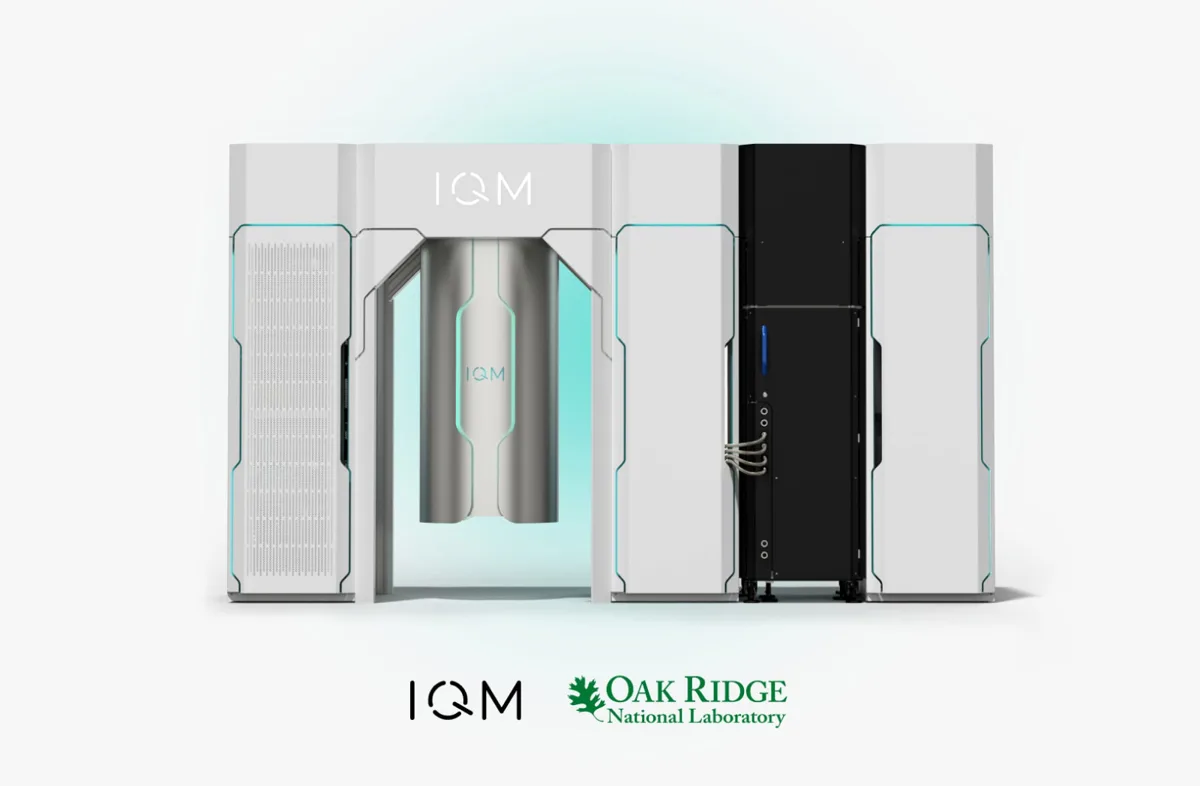
IQM Quantum Computers has launched an HPC Integration Service that allows its Radiance quantum systems to operate as Slurm nodes inside high-performance computing (HPC) environments. The service schedules and manages quantum workloads alongside classical CPU and GPU jobs, aiming to streamline hybrid quantum-classical workflows for research centers and enterprises.
At the core of the offering is the Quantum Device Management Interface (QDMI), an open-source standardization layer intended to simplify vendor-specific software stacks and reduce bespoke integration work. IQM says the service follows its production-oriented model in which end-users own and operate on-premises hardware; the company also notes that the solution is already running in production at sites such as the Leibniz Supercomputing Centre (LRZ). Supporting research and case studies published on arXiv describe practical QDMI-backed integrations with Slurm and common quantum SDKs.
Market implications are focused on lowering the operational barrier for HPC centers to adopt quantum co-processing. Native Slurm integration means existing scheduling, benchmarking and resource-management workflows can extend to quantum nodes, potentially cutting integration time and operational friction. IQM’s announced plan to go public via a business combination with Real Asset Acquisition Corp. (Nasdaq: RAAQ) also frames the launch in a wider corporate-growth narrative that investors will watch closely.
In the broader technological context, standard interfaces like QDMI and collaborative projects between hardware vendors, software stack developers and large HPC centers are positioning hybrid architectures as practical near-term deployments rather than purely experimental setups. Academic and industry papers argue that standardizing the software-hardware boundary can make much of the stack reusable across providers, accelerating the move from pilots to production. This ecosystem maturation is a prerequisite for measurable performance and commercial use-cases.
Analysts expect the new service to increase uptake among national labs and major research centers if deployments prove operationally robust and deliver clear benchmarking advantages. Key indicators to monitor include additional on-premises deployments at centers like LRZ and EuroHPC sites, broader QDMI adoption, and progress in IQM’s merger and listing plans. These factors will determine whether the offering translates into recurring revenue streams and stronger market positioning for IQM.
Related Symbols
💸 Ready to act on this news?
You need a brokerage account to invest. Compare 30+ trusted brokers in seconds — zero commission options available.
Comments (0)
No comments yet. Be the first to comment!