

India RBI Holds Rates Steady Amid Persistent Inflation Risks
The Reserve Bank of India's (RBI) Monetary Policy Committee is widely expected to keep its policy repo rate unchanged at 5.25% on Wednesday. Elevated inflation risks, particularly those stemming from higher energy costs due to the renewed Middle East conflict, are central to the central bank's cautious approach before considering any rate hikes.
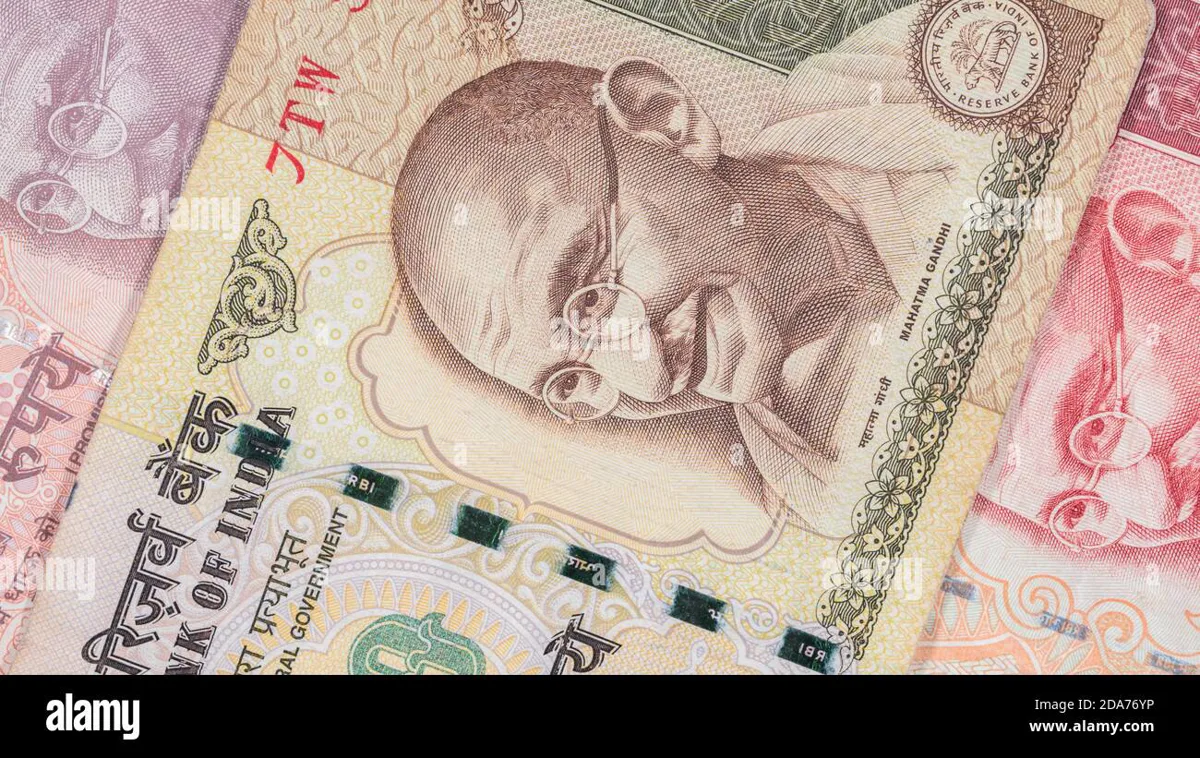
The Reserve Bank of India's (RBI) Monetary Policy Committee (MPC) is widely anticipated to maintain its benchmark repo rate at 5.25% following its meeting concluding on Wednesday, August 5. This expected decision reflects the central bank's prudent stance amid escalating global inflationary pressures and uncertainties, particularly those arising from the impact of geopolitical tensions in the Middle East on energy prices. There is a broad consensus among economists that rates will be held steady to allow policymakers to assess whether higher energy costs will spill over into broader inflation before considering any borrowing cost increases.
The MPC's three-day meeting, held from August 3-5, highlights the central bank's efforts to balance domestic inflation and growth dynamics against evolving global conditions. While retail inflation accelerated to 4.38% in June, surpassing the RBI's 4% target for the first time in 17 months, it remains comfortably within the central bank's 2%-6% tolerance band. Core inflation, which excludes volatile food and fuel prices, has also remained close to 4%, providing policymakers with flexibility to await further data before taking any policy action.
This development implies that existing floating-rate home loan borrowers are unlikely to see immediate changes in their equated monthly installments (EMIs) or overall lending rates. In the bond markets, government bond yields are expected to remain supported by ample liquidity. The stability of the Indian Rupee (INR), bolstered by the RBI's measures to attract overseas deposits, provides the central bank with the flexibility to adopt a 'wait and watch' strategy despite global rate hikes.
The policy review comes against a backdrop of heightened tensions in the Middle East. Disruptions around the Strait of Hormuz, a critical global oil shipping route, have pushed crude oil prices higher, consequently increasing inflation risks for oil-importing economies like India. RBI Governor Sanjay Malhotra has previously warned that if the conflict persists, initial price shocks from energy could feed into broader inflation across the economy. India's significant reliance on oil imports makes it particularly vulnerable to these global energy shocks.
Analysts and market expectations suggest that the RBI will maintain a 'neutral' monetary policy stance, keeping options open for potential adjustments depending on market conditions. The central bank is expected to remain watchful of the progress of the monsoon and its impact on food inflation. Moreover, the trajectory of global oil prices will continue to be a key factor influencing future policy decisions. Economists indicate that a rate hike in 2026 is unlikely unless core inflation sustains above 4.5%.
Related Symbols
💸 Ready to act on this news?
You need a brokerage account to invest. Compare 30+ trusted brokers in seconds — zero commission options available.
Comments (0)
No comments yet. Be the first to comment!