

IMF Spring Meetings: Iran War Casts Shadow Over Energy Markets
At the IMF spring meetings in Washington, the Iran war's energy shock dominated discussions as rising energy costs hit households and businesses and weigh on growth.
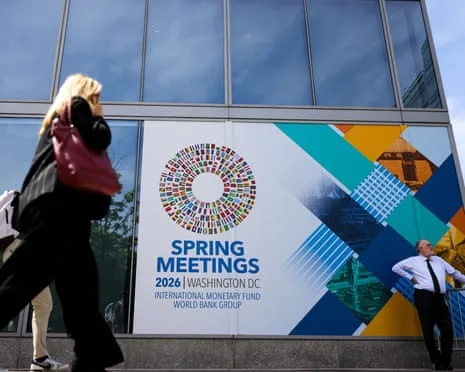
The International Monetary Fund’s spring meetings in Washington were dominated by the economic fallout from the Iran war, with officials warning that the conflict has darkened the global growth outlook and amplified an energy price shock.
The Fund’s mid‑April update reflected those risks: IMF staff lowered growth projections for 2026 under a reference scenario that assumes a notable rise in energy costs, and highlighted downside scenarios if the conflict intensifies. UK Chancellor Rachel Reeves underscored in Washington that households and firms are already feeling the burden of higher energy bills, reinforcing calls for coordinated policy responses.
Markets reacted quickly to developments in the Gulf and to ceasefire news, with oil prices and regional equity indices showing sharp, short‑term moves as traders reassessed supply risk. Analysts note that, while a temporary truce can ease immediate pressures, structural damage to export infrastructure and continued shipping risk could keep markets tight and volatility elevated. The IMF and other institutions warned that prolonged higher energy prices would lift inflation and subtract from growth.
Beyond immediate market swings, the crisis has exposed vulnerabilities in global energy logistics: blockades and strikes around the Strait of Hormuz have trapped cargoes and reduced tanker availability, complicating any swift normalization of flows. The IMF’s briefing stressed that rebuilding damaged facilities and restoring confidence among shipowners could take weeks or months, leaving an elevated risk premium on energy markets for the medium term.
Looking ahead, economists expect that if hostilities persist or re‑escalate, further downward revisions to growth forecasts and higher inflation trajectories are likely, increasing the policy trade‑offs for central banks and governments. The near‑term priority for many countries will be protecting vulnerable households and maintaining liquidity in energy‑exposed sectors while monitoring inflation expectations closely.
💸 Ready to act on this news?
You need a brokerage account to invest. Compare 30+ trusted brokers in seconds — zero commission options available.
Comments (0)
No comments yet. Be the first to comment!