

HSBC's Soaring Profits Reignite UK Bank Windfall Tax Debate
HSBC reported record pre-tax profits of $10.1 billion in the second quarter, renewing calls for a windfall tax on UK banks. Advocates propose this levy could generate £19 billion to support programs combating the ongoing cost of living crisis.
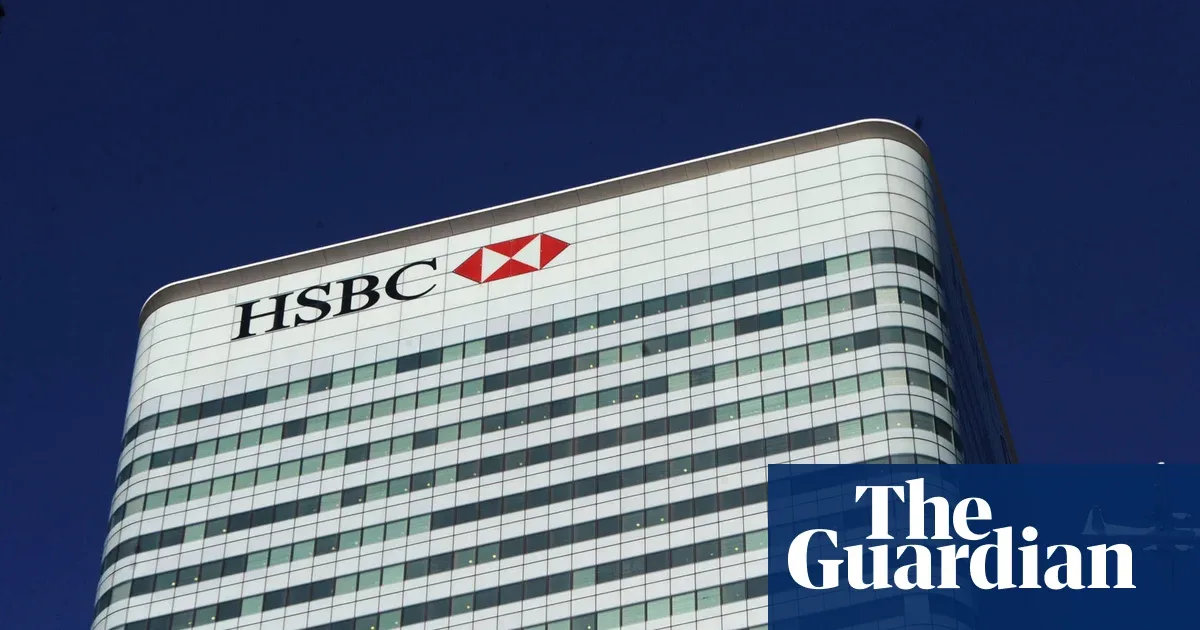
Global banking giant HSBC announced robust financial performance in the second quarter of the year, with pre-tax profits surging by 60% year-on-year to $10.1 billion (approximately £7.5 billion), surpassing market expectations. This announcement of record profits has intensified calls in the United Kingdom for a new windfall tax on the banking sector, aimed at funding support for households grappling with the escalating cost of living.
The strong results for the three months ending in June were primarily driven by higher fee income from the bank's wealth management and insurance businesses, alongside expanded profit margins from loans and mortgages due to elevated interest rates. HSBC CEO Georges Elhedery indicated that the bank is considering restarting a share buyback program of up to $1 billion to return value to shareholders and may increase banker bonuses, reflecting confidence in its financial health. Furthermore, HSBC upgraded its full-year 2026 banking net interest income (NII) guidance from “approximately $46 billion” to “at least $46 billion.”
The collective profits of the UK's four largest banks, including HSBC, NatWest, Barclays, and Lloyds, totaling £29.2 billion over the first six months of the year, have drawn sharp criticism from activist groups and trade unions. Campaigners such as Positive Money and the Trades Union Congress (TUC) are advocating for a 38% windfall tax on the banking sector. This proposed levy, inspired by a similar measure in Spain, would target UK revenues exceeding £800 million annually.
It is estimated that such a windfall tax could generate approximately £19 billion, which campaigners suggest could be allocated to fund Prime Minister Andy Burnham's agenda for addressing the cost of living crisis. These funds are calculated to be more than 13 times the cost of critical support programs, including a VAT cut on electricity bills, a £2 cap on bus fares, and business rates reductions for pubs, clubs, and music venues.
However, representatives from the banking sector and City executives have warned that implementing such a tax could be economically disastrous. Major banks like Barclays argue that UK banks already face some of the highest tax rates globally, and additional levies could stifle investment opportunities. While bankers describe a new tax as “economic suicide,” union leaders counter that the government should not be “held hostage” by City lobbyists.
The UK's cost of living crisis continues to exert pressure on households, even as inflation has shown signs of easing. Although CPI inflation declined to 3.0% in January 2026 from 3.4% in December 2025, essential expenses such as food, housing, and household services continue to rise. The average private rent in England reached £1,423 in January 2026, and the Bank of England's base rate, currently at 3.75%, keeps borrowing costs elevated. While the government has introduced measures like energy bill discounts, wage increases, and frozen rail fares, the record profits of banks are intensifying political pressure for a redistribution of wealth to support struggling households.
💸 Ready to act on this news?
You need a brokerage account to invest. Compare 30+ trusted brokers in seconds — zero commission options available.
Comments (0)
No comments yet. Be the first to comment!