

Household batteries could slash energy bills — and reshape markets
In Australia household batteries are scaling rapidly; benchmark electricity prices may fall up to 10% in parts. Policy support and storage are accelerating the energy transition.
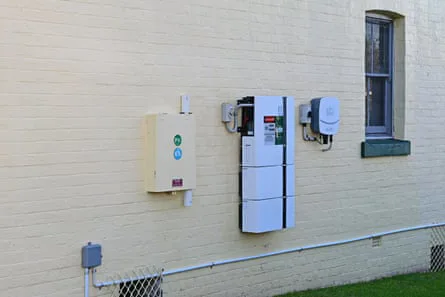
Australia is witnessing a rapid roll-out of household batteries and rooftop solar that is beginning to alter electricity pricing and grid dynamics; regulator determinations indicate benchmark domestic electricity offers could fall by up to 10% in some regions.
The shift has coincided with symbolic milestones in the country’s energy transition, including the controlled demolition of chimneys at a major former coal-fired power station, and public statements by energy ministers highlighting both price relief and the role of storage. Government-backed programs and incentives have helped accelerate residential battery installations, with recent reports documenting hundreds of thousands of home batteries added in a short period.
Regulatory and market data point to storage as a material force in lowering wholesale price pressures and smoothing spot volatility. The Australian Energy Regulator's final DMO determination cites lower wholesale contract prices, reduced spot volatility and increased output from wind and battery generation during evening peaks as drivers of the projected retail price reductions. These dynamics are transforming how peak demand is managed and how retailers and consumers interact with time-of-use pricing.
In a broader economic context, Australia already ranks among the global leaders in household rooftop solar penetration, a foundation that has made rapid battery adoption feasible. At the same time, the country remains a major fossil fuel exporter, which creates a complex policy trade-off between domestic decarbonisation and export-driven revenue streams; managing that transition will shape political and investment decisions in coming years.
Analysts say the near-term outlook points to meaningful bill savings for participating households, improved grid reliability during evening peaks, and lower price volatility. Over the medium term, utilities and investors are likely to reallocate capital toward distributed storage, grid-scale batteries and services that monetise flexibility. For markets, the battery boom represents both a risk to legacy generation value and an opportunity for new entrants providing storage, aggregation and smart energy services.

💸 Ready to act on this news?
You need a brokerage account to invest. Compare 30+ trusted brokers in seconds — zero commission options available.
Comments (0)
No comments yet. Be the first to comment!