

Hormuz standoff: Trump warns strikes on Iran power plants, bridges
US President Trump said negotiators will return to Islamabad for a second round with Iran; he warned he could strike every power plant and bridge if talks fail.
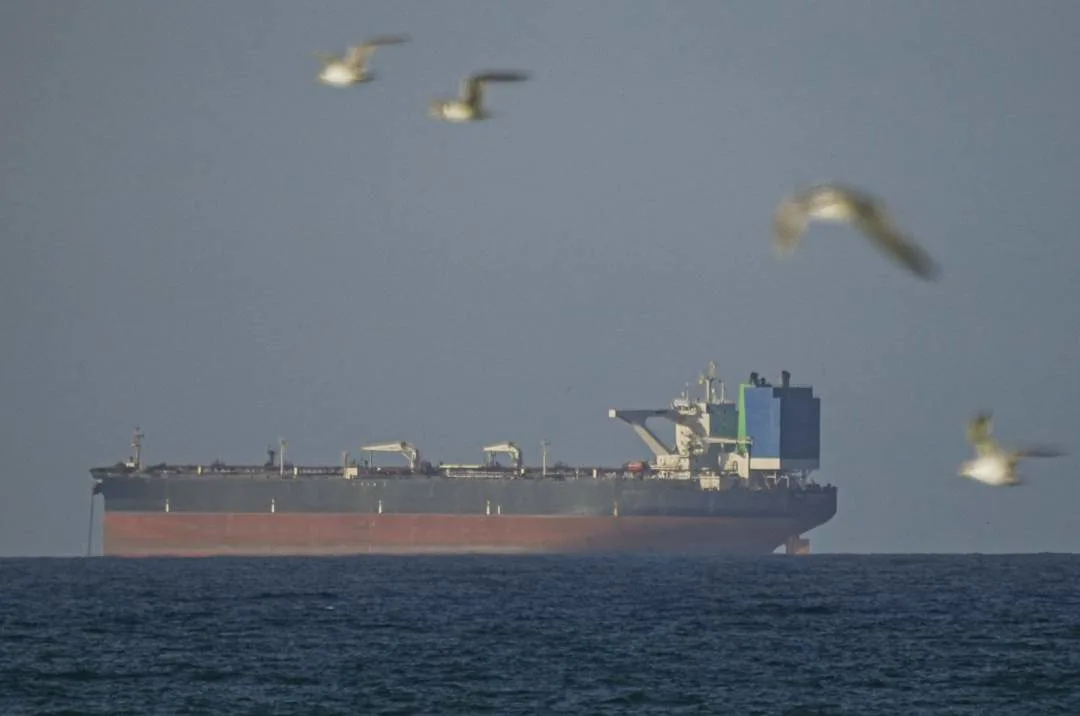
US President Donald Trump announced that U.S. negotiators will head to Islamabad this week for a second round of talks with Iran and renewed a warning that, if negotiations fail, the United States could target Iran’s power plants and bridges.
According to reporting by major news agencies, U.S. envoys are expected in Pakistan on Monday or Tuesday to press for commitments on reopening the Strait of Hormuz, limits on Iran’s nuclear program, and steps toward a broader settlement. Trump described Washington’s offer as “very fair and reasonable,” while Iranian officials have outlined their own conditions, including reparations and guarantees against future attacks. Prior rounds yielded a fragile ceasefire but did not resolve core disputes.
Markets remain sensitive to the geopolitical backdrop: oil futures and energy equities have shown renewed volatility as traders price in the risk of further disruptions to supply through the Strait of Hormuz, while safe-haven flows have intermittently supported government bonds and gold. Conversely, short-lived diplomatic hopes have periodically eased risk premia, producing rapid intraday reversals. Short-term price action will likely hinge on the tone and outcomes of the Islamabad meetings.
The move underscores the strategic importance of the Strait of Hormuz for global energy flows and the difficulty of converting ceasefires into lasting agreements. Washington’s threat to interdict vessels and to strike critical infrastructure if demands are not met marks a high-stakes approach aimed at forcing concessions, while Tehran’s resistance and insistence on broader security and economic guarantees complicate negotiations. Regional mediators, notably Pakistan, are central to maintaining dialogue.
Analysts say the near-term outlook will be dominated by headline risk: markets should expect continued spikes in volatility and episodic oil price jumps if rhetoric escalates or if supply routes are further disrupted. Many market participants view the most extreme military options as unlikely to be executed at scale, but emphasize the need for contingency planning, hedging strategies and close monitoring of shipping and insurance indicators that would reflect any tangible escalation.
💸 Ready to act on this news?
You need a brokerage account to invest. Compare 30+ trusted brokers in seconds — zero commission options available.
Comments (0)
No comments yet. Be the first to comment!