

Hantavirus May Not Dent Booming Expedition-Cruise Travel Market
Despite hantavirus cases aboard MV Hondius, demand for small expedition cruises remains strong; industry and health authorities see limited wider risk.
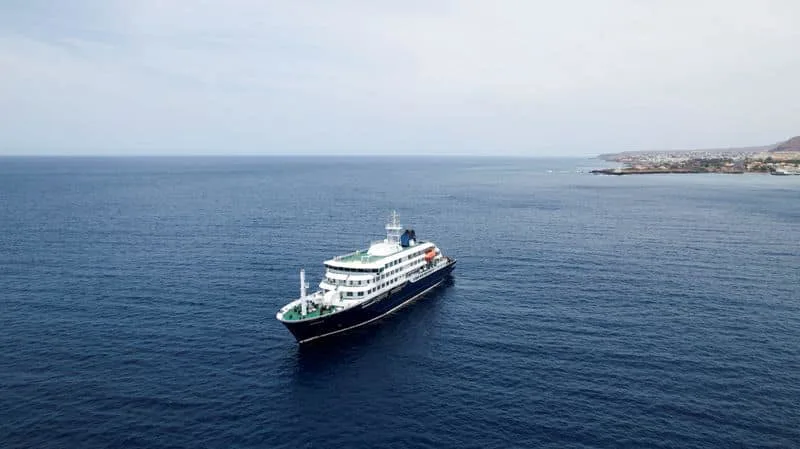
A recent cluster of hantavirus cases linked to the expedition vessel MV Hondius drew international attention after several passengers became ill and three deaths were reported. The World Health Organization (WHO) is coordinating an investigation but has stated that, based on current evidence, the outbreak does not represent a broad public-health threat; industry sources report no immediate collapse in bookings.
The sequence began during the ship’s Atlantic leg following departures from South America, with symptomatic cases identified and laboratory testing pointing to an Andes strain hantavirus. Oceanwide Expeditions, the ship operator, issued press updates outlining timelines, evacuations and medical follow-ups, and said it did not foresee major operational changes while cooperating with authorities on passenger repatriation and monitoring. Public-health teams continue contact tracing and isolation measures for exposed passengers.
From a market perspective, the expedition-cruise segment—small ships offering remote, wildlife-focused itineraries—has been one of the fastest-growing corners of the cruise industry. Trade-group forecasts and industry reporting indicate passenger numbers remain at or near record levels post-pandemic, and initial reporting suggests revenue and booking outlooks have not been materially revised down following the Hondius incident. That resilience reflects strong consumer willingness to pay for niche experiences and limited substitution risk in the short term.
The broader context matters: expedition cruises operate in environments with higher exposure to zoonotic pathogens and with longer detection lags, but hantaviruses—while severe—tend not to transmit as efficiently as respiratory pandemic viruses. WHO briefings and expert commentary emphasize differences from COVID-19, noting that sustained community spread is unlikely absent prolonged close contact, which tempers expectations of system-wide tourism shocks.
Analysts expect short-term volatility in sentiment and potential localized declines in bookings for specific sailings, especially among older demographics or risk-averse travelers. Key variables to monitor include official epidemiological findings, any changes to port access or insurance terms, and operators’ crisis management. For investors and sector watchers, the outbreak so far appears a reputational and operational headache rather than a structural demand threat to the booming expedition-cruise travel market.
💸 Ready to act on this news?
You need a brokerage account to invest. Compare 30+ trusted brokers in seconds — zero commission options available.
Comments (0)
No comments yet. Be the first to comment!