

Green card restriction: US tells temporary visa holders to apply from home country
USCIS says temporary visa holders must, except in extraordinary cases, file green card applications from their home countries, prompting legal and employer concern.
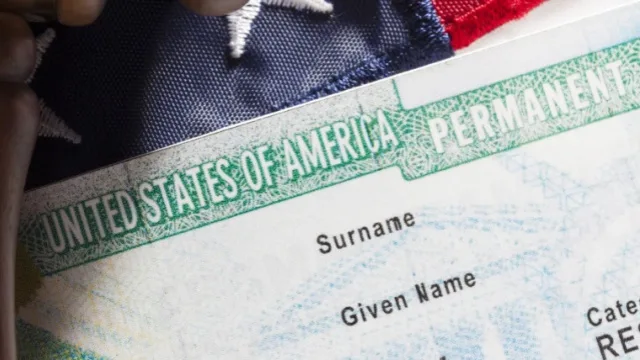
The U.S. Citizenship and Immigration Services (USCIS) announced a policy stance that treats in‑country adjustment of status for green cards as an “extraordinary” discretionary relief and directs most applicants on temporary visas to apply from their home countries via consular processing. The agency circulated Policy Memorandum PM-602-0199 alongside a public notice clarifying that adjustment of status will no longer be treated as the routine pathway for many applicants.
The memorandum instructs officers to weigh the “totality of the circumstances” and reserve favorable discretion for truly exceptional cases. Legal practitioners and immigration firms have published immediate analyses noting that, while statutory eligibility criteria remain unchanged, USCIS intends to exercise discretion more narrowly and may deny in‑country filings where consular processing was available. The memo stresses documentation of equities and adverse factors in adjudication.
Market implications are indirect but material for sectors that rely heavily on foreign talent—technology, specialized services, and academia. Firms that planned long-term hires via in‑country adjustment may face delays and increased relocation cost, while consular backlogs could slow onboarding timelines. Reports from major news and industry analyses suggest employers will revisit sponsorship timelines and contingency hiring plans in response to heightened uncertainty.
In the broader economic and political context, the move fits a pattern of tighter administrative control over immigration pathways. Observers caution that the memo is an agency policy—not new legislation—so legal challenges and administrative appeals are likely. Humanitarian and special-case applicants remain a focal point in debates over how exceptions will be granted and defined.
Analysts and immigration counsel advise employers and affected individuals to document extraordinary equities, consider early consular processing where feasible, and prepare for litigation risk and operational disruption. The short-to-medium term outlook points to increased procedural friction and potential talent acquisition slowdowns until courts or further guidance clarify the memo’s scope. Stakeholders expect additional USCIS guidance and possible legal challenges in the coming weeks.
💸 Ready to act on this news?
You need a brokerage account to invest. Compare 30+ trusted brokers in seconds — zero commission options available.
Comments (0)
No comments yet. Be the first to comment!