

Gold Prices Hit Three-Month High as Dollar Weakens
Gold prices surged to a three-month high as the US dollar weakened globally and the Treasury expanded its bond buyback program. Silver also reached a two-month peak, supporting the upward trend in precious metals.
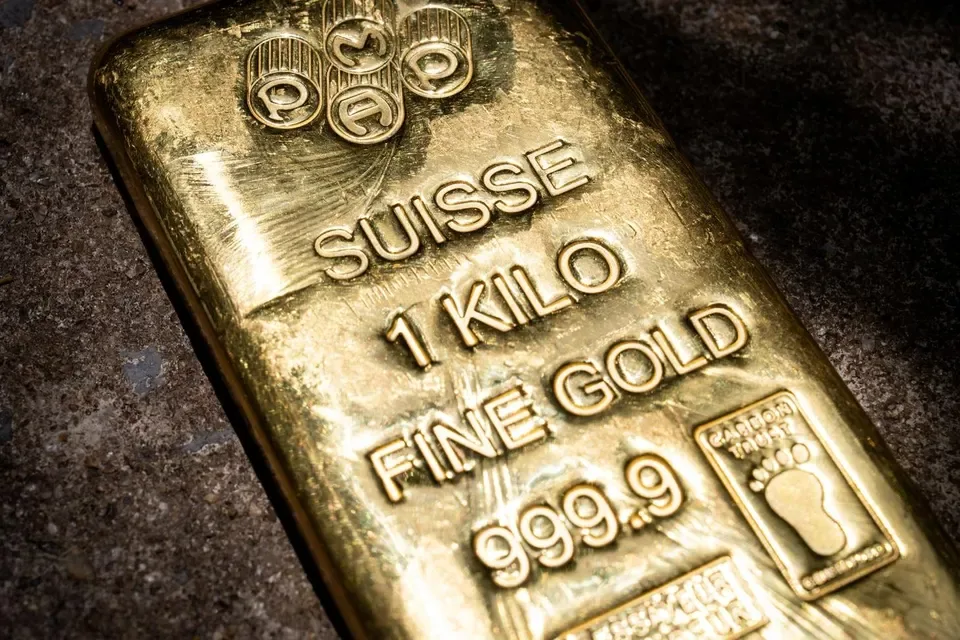
Precious metal gold reached its highest price in three months, bolstered by a weakening US dollar and the US Treasury Department's decision to increase its long-dated bond buyback operations. Spot gold traded between $4,550 and $4,600 per ounce on Friday, August 21, marking a significant weekly gain of 3.6% to 5%. Silver prices also saw a similar upward momentum, climbing above $68-$69 per ounce to hit a two-month high.
The primary catalyst for this rally was a significant weakening of the US dollar in global markets. The US Dollar Index (DXY) retreated to around 98.73-98.77 this week, reaching its lowest levels in three months or seven weeks. Dollar-denominated commodities like gold and silver become more attractive to investors holding other currencies when the dollar depreciates. This dynamic fueled increased demand for precious metals, accelerating their upward price movement.
Another crucial factor supporting gold's rally was the US Treasury Department's intervention in the long-term bond market. The Treasury announced plans to at least double the size of its buyback operations for 10- to 30-year securities, from $2 billion to at least $4 billion per operation, starting September 9, 2026. While this move aims to enhance market liquidity and curb rising borrowing costs, it also led to lower Treasury yields and a weaker dollar. Bhanu Baweja, chief strategist at UBS Group AG, noted that gold would be the main beneficiary of US efforts to suppress borrowing costs, while "the dollar will pay the price".
The decline in US Treasury yields reduced the opportunity cost of holding non-yielding assets such as gold and silver. 10-year US Treasury yields eased to around 4.64%, and 30-year yields to approximately 5.18%. Furthermore, markets have scaled back expectations for a Federal Reserve (Fed) interest rate hike in September 2026, with the CME FedWatch tool indicating a 63% chance of rates remaining unchanged at the September meeting. However, minutes from the Federal Open Market Committee (FOMC) revealed that many policymakers still support near-term rate increases if inflation persists.
In the broader economic and political context, geopolitical risks, such as tensions in the Strait of Hormuz and sanctions against Iran, along with inflation concerns stemming from rising energy prices, continue to underpin safe-haven demand for precious metals. These factors contribute to gold's support beyond the traditional impact of interest rates. Gold-backed exchange-traded funds (ETFs) also saw significant inflows on Thursday, recording their largest single-day increase since September 2025.
Analysts and market expectations suggest that gold's upward trajectory could continue. Brian Lan, Managing Director at GoldSilver Central, stated that gold's future path would largely depend on the Fed's next steps and how these actions shape market rate expectations. Analysts at MUFG suggested that the US Treasury's bond buybacks could risk confidence in dollar assets, making the dollar more vulnerable to the downside. Technically, XAU/USD is testing the $4,600 level, with resistance at $4,605 and support at $4,450. However, a sharp rise in Treasury yields or more hawkish rhetoric from the Fed could make the path to new highs challenging and potentially trigger profit-taking.
💱 Trade this forex / commodity move
You need a brokerage account to trade forex and commodities. Compare 30+ trusted brokers in seconds.
Comments (0)
No comments yet. Be the first to comment!