

GLP-1 Drugs and Food Bills: Only High Earners Achieve Net Savings
Considering the annual cost of GLP-1 weight-loss drugs, analysis by Baringa suggests that only high-income individuals can achieve net savings on their food bills. This situation poses a risk of financial inequality due to the high cost of the medication.
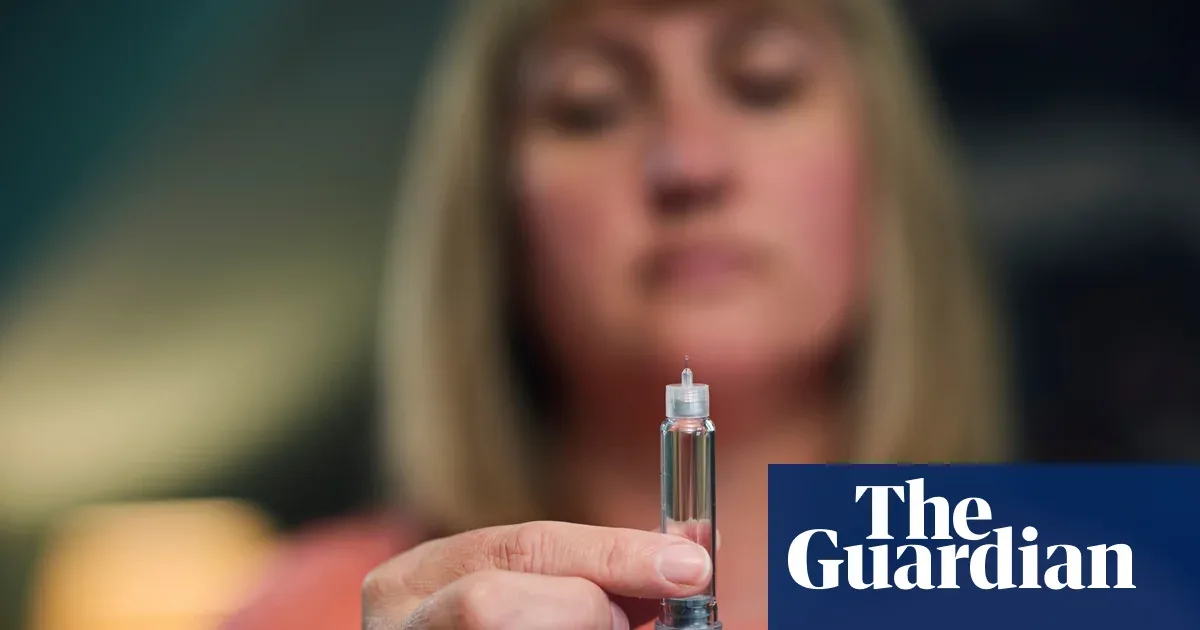
The substantial cost of GLP-1 receptor agonists, commonly known as weight-loss drugs, has revealed that only the highest earners genuinely make overall financial savings on food bills after accounting for the medication's expense. According to an analysis by consultancy firm Baringa, individuals require nearly £100,000 in annual discretionary income to realize savings on their grocery spending after covering the £1,200 annual cost of GLP-1 medication.
Paddy Winters, a partner at Baringa, stated that their analysis indicates GLP-1s risk becoming a driver of inequality. Winters elaborated that only very high earners would benefit from savings on their groceries while taking the GLP-1 pill. For other users, the annual cost of the drug outweighs any reduction in grocery spending. Furthermore, users are reportedly spending more on vitamin supplements and personal care products to manage side effects, effectively making GLP-1s a “regressive tax on being thin.”
This development has significant implications for consumer spending and the food industry. Research by Worldpanel by Numerator indicates that households with a GLP-1 user spend, on average, over £400 less annually on groceries compared to non-users. Across Great Britain, this translates to an estimated £780 million reduction in annual grocery spending, with 299 million fewer items purchased. YouGov research further highlights that GLP-1 users are reducing their consumption of snacks and fast food, shifting towards healthier options like vegetables, vitamins, and fish. This shift presents both challenges and opportunities for Consumer Packaged Goods (CPG) companies and retailers.
The high prices of GLP-1 medications stem from intensive research and development (R&D) investments in pharmaceutical processes. In the United Kingdom, access through the National Health Service (NHS) is limited, leading many to obtain these drugs via private prescriptions or online pharmacies, where monthly costs can range from £100 to £330. This disparity in access further deepens the social and economic implications of the medication.
Analysts and market expectations suggest that the high costs could lead users to discontinue treatment. Winters from Baringa noted that some individuals cancel their prescriptions after a few months as costs accumulate, leading to weight regain once they stop. Concerns are raised that individuals might turn to debt to fund this “start, stop, regain, and return” cycle. In the future, the expiration of patents could lead to the introduction of generic or biosimilar versions, potentially reducing costs and making GLP-1 drugs more accessible to a broader population. This could alleviate individual financial burdens and influence the long-term evolution of consumption habits in the food sector.
💸 Ready to act on this news?
You need a brokerage account to invest. Compare 30+ trusted brokers in seconds — zero commission options available.
Comments (0)
No comments yet. Be the first to comment!