

Flood risk: 80% of England’s high-risk homes now in urban areas
NHF analysis finds 839,000 homes in urban England at high risk of surface-water flooding; social housing tenants are disproportionately vulnerable to costs.
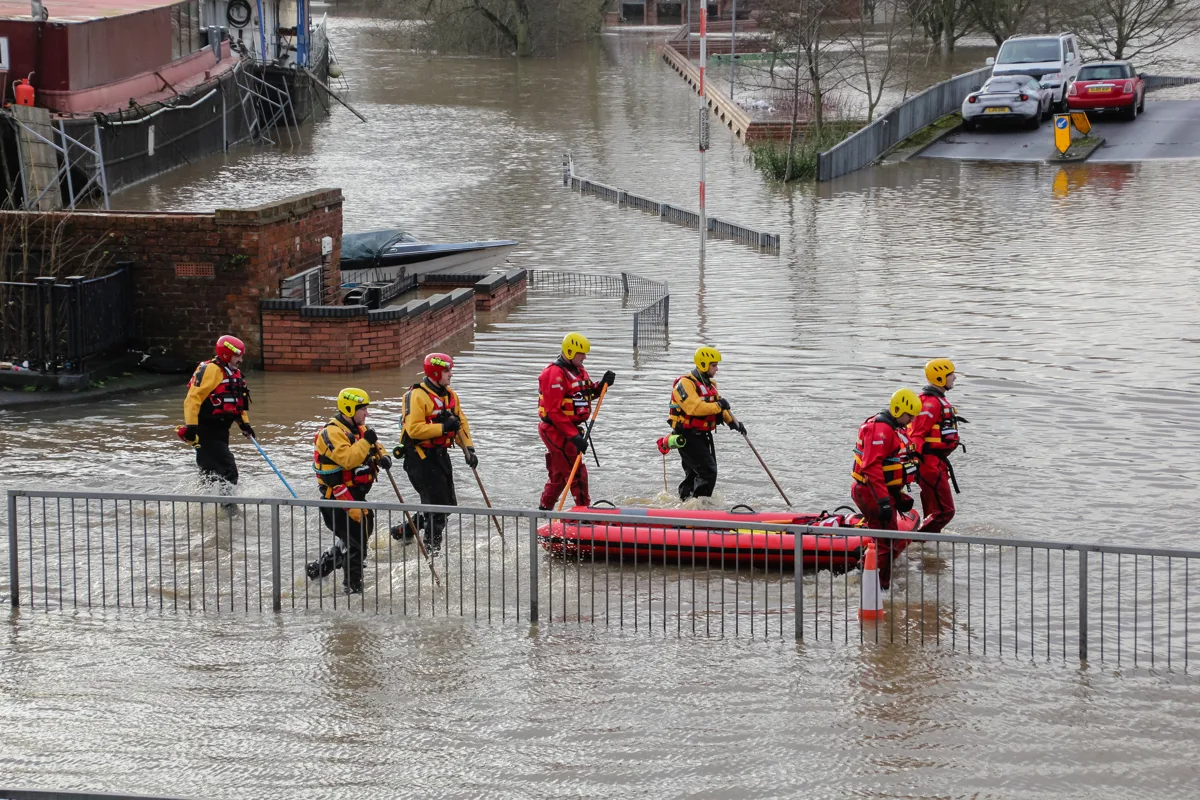
A new analysis from the National Housing Federation (NHF) shows that the vast majority of England’s homes at high risk of flooding are now located in towns and cities: 839,000 urban homes are classified as high risk from surface-water flooding.
The NHF analysis indicates the number of high-risk urban homes has trebled since 2018, so that roughly eight in ten properties deemed at high risk are in urban constituencies. Areas such as Thurrock, Basildon, Bootle and parts of London rank among the worst affected. The Environment Agency defines a high-risk home as one with at least a one-in-30 chance of flooding in any given year.
For social landlords and local authorities this trend translates into mounting costs: repair bills, increased insurance premiums and temporary rehousing expenses strain budgets. Case evidence cited by the NHF shows housing associations spending hundreds of thousands of pounds on single flood events, while insurance market responses—higher premiums and restricted cover—further expose low-income tenants. Official assessments warn surface-water risk could treble over the next 50 years, raising the fiscal and operational stakes for both public and private actors.
In the wider context, the Environment Agency’s national flood risk assessment reports millions of properties at risk across England, with surface-water flooding a growing share of the total threat. Government commitments to bolster flood defences have been made, including multi‑billion pound investment plans, but independent analyses also flag that many at-risk buildings currently lie outside formal defences. That gap has implications for insurance availability, mortgage lending and residential property values in exposed areas.
Analysts say the likely outcome is a sustained period of repricing for high-risk urban homes: insurers tightening terms, lenders factoring climate risk into underwriting, and social landlords facing increased operating costs. Policy responses—stronger urban drainage, targeted flood‑resilience retrofits and coordinated national funding—are viewed as necessary to avoid disproportionate social and financial fallout. The NHF and other sector bodies warn that without a co‑ordinated national response, vulnerable tenants and the balance sheets of social housing providers will remain under severe pressure.

💸 Ready to act on this news?
You need a brokerage account to invest. Compare 30+ trusted brokers in seconds — zero commission options available.
Comments (0)
No comments yet. Be the first to comment!