

Fed Chair Kevin Warsh Initiates Sweeping Reform Agenda
New Federal Reserve Chair Kevin Warsh has announced plans for a 'velvet glove regime change,' aiming to fundamentally reshape the central bank's operations. He established five task forces to re-evaluate everything from communications and the balance sheet to inflation frameworks and data utilization.
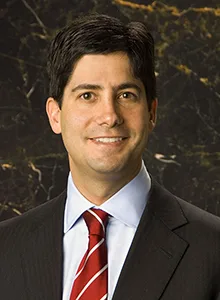
Kevin Warsh, the newly appointed Chair of the U.S. Federal Reserve (Fed), is set to fundamentally reshape the institution's operations through a comprehensive reform process he describes as a 'regime change but in a velvet glove.' Warsh announced the formation of five distinct task forces to rethink virtually every aspect of the Fed's activities, signaling significant alterations across a broad spectrum, from monetary policy implementation to communication strategies.
Warsh, a former Fed governor, was nominated by President Donald Trump in January 2026 to succeed Jerome Powell and was confirmed by the Senate in May 2026. In his first Federal Open Market Committee (FOMC) meeting as chair, the policy interest rate was maintained at a range of 3.50% to 3.75%. However, post-meeting announcements revealed Warsh's establishment of task forces to re-examine Fed communications, its balance sheet, reliance on existing data sources, productivity and jobs in an era of transformation, and the Fed's inflation frameworks. Warsh has long been critical of the Fed's reliance on forward guidance and discretionary fine-tuning policies.
These expectations of significant changes have also impacted market expectations regarding interest rates. Market participants and Fed officials, who previously anticipated a rate cut within the year, are now discussing the possibility of a rate hike due to inflationary pressures stemming from the Iran War's impact on energy, commodities, and food prices. This situation is critical for investors closely monitoring the Fed's commitment to combating inflation and the new chair's approach to the issue. The labor market's rebound, with 172,000 new jobs added in May, further strengthens the argument for a rate hike.
Warsh's reform agenda focuses on several long-debated practices within the Fed. A key priority for Warsh is shrinking the Fed's colossal $6.7 trillion balance sheet, which expanded significantly after the 2008 financial crisis and the 2020 pandemic. Furthermore, he advocates for the central bank to refrain from pursuing agendas outside its authority and expertise, such as climate change and industrial policy. These approaches have the potential to bring a narrower focus to the Fed's statutory mandate.
Market analysts suggest that Warsh is seeking a more rules-based and predictable monetary policy. This could lead to significant changes in the Fed's transparency and communication methods with markets, as Warsh's reluctance to submit his own economic projections and his trimming of forward guidance are seen as steps in this direction. In the coming period, the findings of the task forces and the actions of the Fed under Warsh's leadership in combating inflation will be crucial for both the U.S. and global markets. However, given President Trump's pressures regarding interest rates, the extent to which Warsh will maintain the Fed's independence remains another closely watched and important issue.
💸 Ready to act on this news?
You need a brokerage account to invest. Compare 30+ trusted brokers in seconds — zero commission options available.
Comments (0)
No comments yet. Be the first to comment!