

Evergrande Founder Hui Ka Yan Sentenced to Life in Prison
Hui Ka Yan, founder of China's Evergrande, has been sentenced to life imprisonment for financial fraud, with all his personal assets confiscated. The company also received hefty fines, marking a significant moment in China's ongoing property crisis.
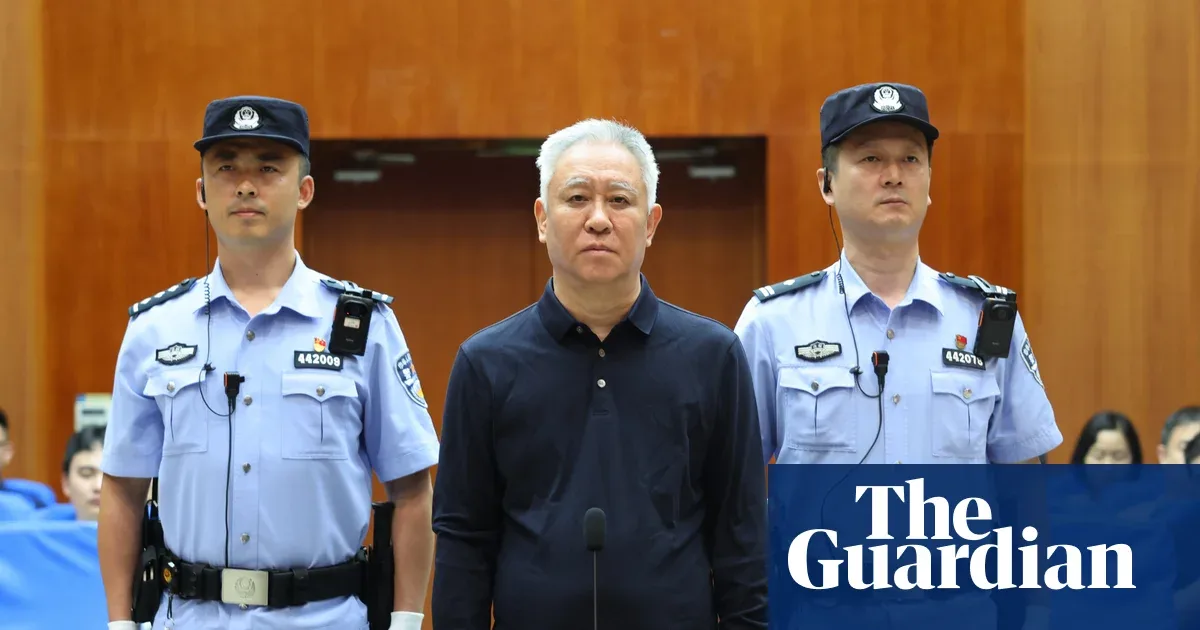
Hui Ka Yan, the founder of China Evergrande Group, one of the nation's largest property developers, has been sentenced to life in prison for extensive financial fraud. The Shenzhen Intermediate People's Court announced its ruling on Thursday, August 20, 2026, also ordering the confiscation of all of Hui Ka Yan's personal property. This landmark decision marks a crucial development in China's embattled real estate sector and the government's efforts to address systemic irregularities within the industry.
Hui Ka Yan pleaded guilty in April to eight charges, including misuse of funds, fundraising fraud, illegally taking public deposits, illegally extending loans, fraudulently issuing securities, and bribery. The court stated that between 2016 and 2021, Hui "violated state laws by employing methods such as sustained, large-scale financial fraud to inflate assets and conceal liabilities." Evergrande Group was fined 8.82 billion yuan (approximately $1.31 billion), while its main property arm, Hengda Real Estate, was fined 7 billion yuan (approximately $1.04 billion). More than 50 other individuals linked to Evergrande, including Hui's sons, also received prison sentences ranging from 20 months to 18 years.
Evergrande's troubles began in 2020 when the Chinese government introduced regulations limiting the amount of debt that property companies could hold. These regulations severely impacted the debt-fueled real estate sector, leading the company to default on most of its over $300 billion in liabilities. Evergrande, which delisted from the Hong Kong stock exchange last year, became a symbol of a broader crisis in China's property market, a sector that traditionally accounted for between one-quarter and one-third of the nation's GDP. Home prices have fallen by 20% or more since 2021.
The court emphasized that Hui's actions "severely disrupted the order of the socialist market economy" and "caused exceptionally heavy economic losses." This verdict signals the end of the "three highs" business model—characterized by high debt, high leverage, and high asset turnover—for Chinese developers. By imposing such severe penalties, the government is sending a clear message to the market as it strives to reduce the economy's reliance on the real estate sector.
Edward Chan, a director at S&P Global Ratings, stated that they "do not anticipate further meaningful impact on the Chinese property market following the court sentencing of Hui Ka-yan." However, the persistent slowdown in the real estate sector continues to weigh heavily on the broader Chinese economy. Chinese leaders are working to reignite an economy that has faced slowing growth for years, setting a GDP growth target of between 4.5% and 5.0% for this year. Despite these efforts, July data showed a decline in retail sales and a nearly one-fifth decrease in real estate development investment.
💸 Ready to act on this news?
You need a brokerage account to invest. Compare 30+ trusted brokers in seconds — zero commission options available.
Comments (0)
No comments yet. Be the first to comment!