

EV charging reform to let gullies ease home charging for UK households
Government to legislate this summer to allow pavement gullies for home EV charging, aiming to boost uptake and cut fossil fuel reliance; VAT ruling faces appeal.
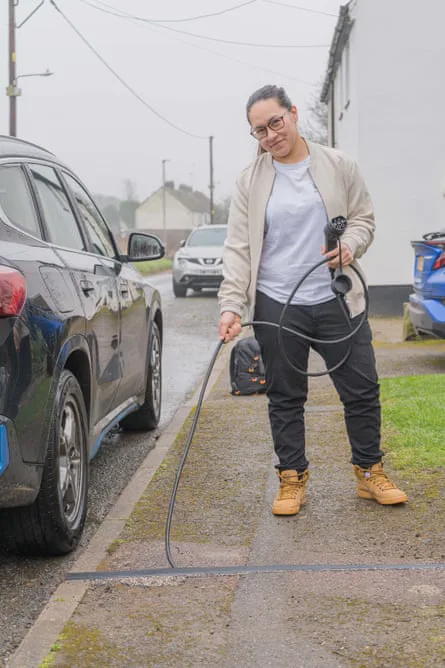
The UK government has pledged to push through legislation this summer to enable pavement cross‑gully solutions that allow residents without off‑street parking to charge electric vehicles (EVs) from home. The change would reduce the need for planning permission where a protected channel or gully safely houses a charging cable across the pavement.
Officials at the Department for Transport and the Office for Zero Emission Vehicles have already issued guidance for local authorities and installers, and several pilots and grant schemes are in place to accelerate roll‑out. Local schemes, such as Reading Borough Council’s government‑funded installations and the national Electric Vehicle Chargepoint Grant updates, illustrate how public funding and technical standards are being aligned to cover installation costs and safety requirements.
Market implications could be material: widening home charging access for terrace and on‑street homes may lower total consumer charging costs, supporting higher EV adoption and reducing pressure on public rapid chargers. Industry commentary and market data suggest that as home charging becomes more accessible and cheaper relative to petrol, consumer switching accelerates — a dynamic that will affect demand for new EVs and related aftermarket services. Grid operators and chargepoint providers are expected to reassess capacity and commercial models accordingly.
The policy timing intersects with a significant tax development: a recent Tax Tribunal ruling held that certain public EV charging supplies can qualify for a reduced 5% VAT rate rather than the standard 20%, a decision that would trim customer costs if sustained. Reports indicate the tax authority and government may seek to challenge or clarify that ruling, leaving the final VAT treatment contingent on appeal and further guidance. The fiscal outcome will influence pricing across the public and private charging network.
Analysts say the next months will be critical: clarity on permitted development rights, consistent council application processes, and the resolution of the VAT question will determine investment appetite among chargepoint installers, local authorities and commercial hosts. Research indicates a rapid uptake in cross‑pavement solutions among councils by the end of 2026, but uneven local implementation remains the main short‑term risk to a smooth national roll‑out. Policy coherence, standardisation and grid planning will shape whether the reform delivers the expected boost to EV adoption.
💸 Ready to act on this news?
You need a brokerage account to invest. Compare 30+ trusted brokers in seconds — zero commission options available.
Comments (0)
No comments yet. Be the first to comment!