

EU car market growth continues — April sales up 5.1% (972,314)
New passenger car registrations in the EU rose 5.1% year‑on‑year to 972,314 in April; electric vehicle registrations surged and the January–April total climbed about 4.2%.
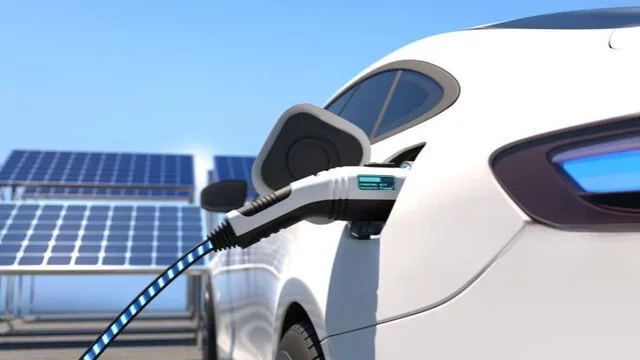
According to the European Automobile Manufacturers Association (ACEA), new passenger car registrations in European Union (EU) countries increased by 5.1% year‑on‑year in April, reaching 972,314 units. The figure marks a continuation of monthly growth and suggests ongoing recovery momentum in the bloc's new‑car market.
The expansion was led by a strong rise in battery‑electric vehicle (BEV) registrations, which ACEA data show climbed approximately 37.7% in April, lifting BEV market share to around 19.7% year‑to‑date. Major OEMs and growing Chinese entrants, alongside established EV manufacturers such as Tesla, contributed to higher deliveries and registrations. Over the January–April period, total EU registrations rose by roughly 4.2% compared with the same period a year earlier.
Country‑level dynamics were mixed: Germany recorded modest growth in April, while Italy and Spain posted double‑digit increases; France showed a slight decline. These divergences reflect differing national incentive schemes, tax treatments, and timing of deliveries, as well as variations in fleet and private demand across markets.
From a market perspective, the shift toward electrified powertrains is altering revenue and margin outlooks across the supply chain. Strong BEV uptake supports components and battery suppliers, while legacy powertrain manufacturers face margin pressure and the need to reallocate capital. Equity market reactions are likely to be selective, with OEMs and suppliers exposed to the electrification transition experiencing differentiated flows and volatility.
In the broader macro context, the recovery in vehicle registrations must be weighed against inflationary pressures, consumer confidence trends, and energy price developments across Europe. Policy measures—tax breaks, purchase incentives and registration rules—remain a key driver of demand in several member states, while geopolitical and supply‑chain uncertainties continue to pose downside risks for production and deliveries.
Analysts expect the EU new‑car market to maintain moderate growth so long as consumer demand and incentives persist, but they flag execution risks around inventory management and delivery schedules. Investors and industry watchers are advised to monitor national incentive updates, BEV infrastructure roll‑out and OEM production guidance to assess near‑term momentum.
Related Symbols
💸 Ready to act on this news?
You need a brokerage account to invest. Compare 30+ trusted brokers in seconds — zero commission options available.
Comments (0)
No comments yet. Be the first to comment!