

EU Border System Sparks Airport Chaos: Waiting Times Triple
The European Union's new Entry/Exit System (EES) is significantly increasing passport control times at airports, negatively impacting summer travel. Ryanair and other major airlines warn passengers of lengthy queues, while the system's operational glitches pose billions of dollars in economic risk.
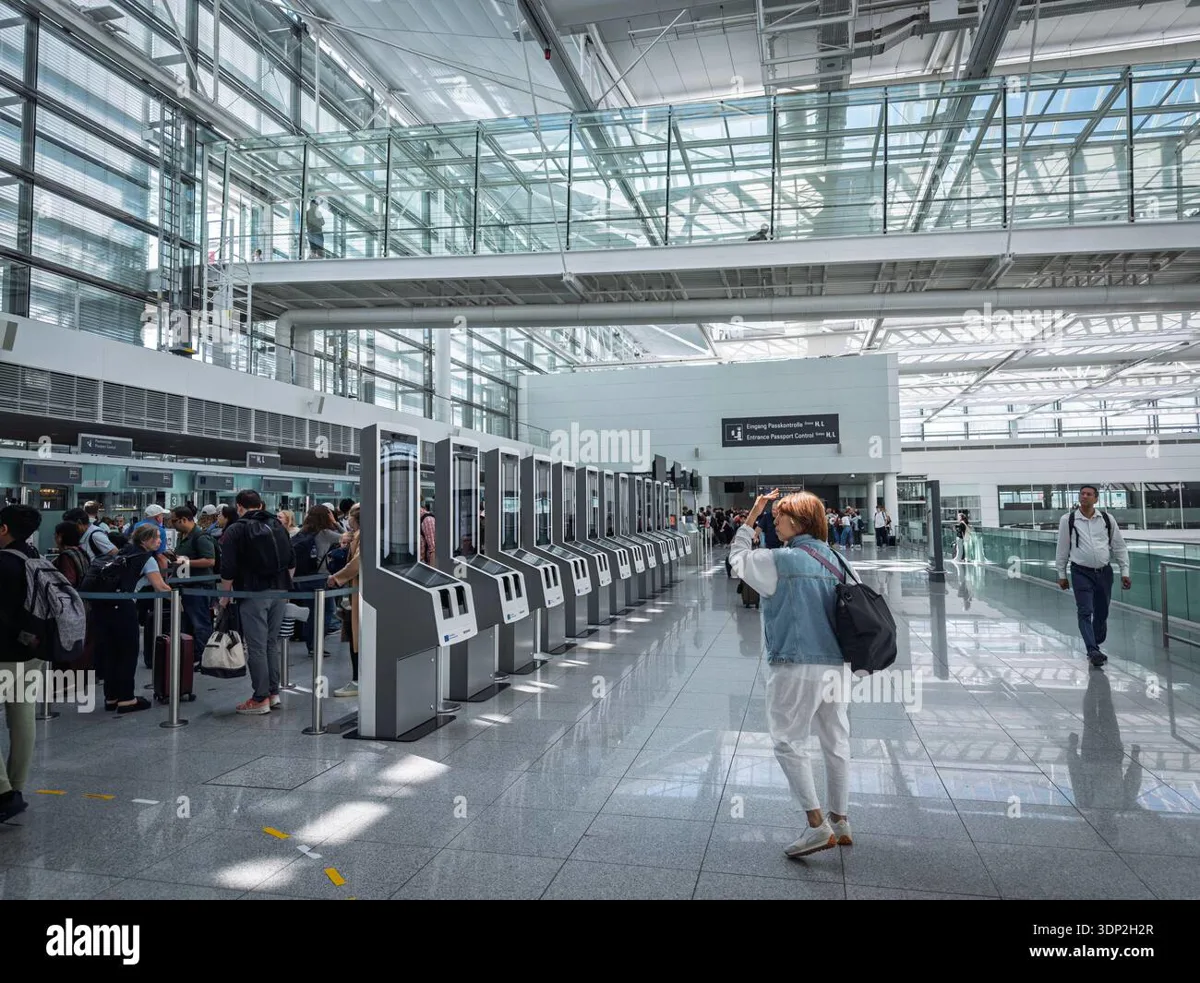
The European Union's (EU) new Entry/Exit System (EES) is causing significant disruptions at airports across the continent by substantially prolonging passport control times for non-EU citizens traveling to the Schengen area. With the system becoming fully operational in April 2026, airlines and airport authorities are warning that passengers, particularly during the peak summer travel season, could face queues lasting several hours. According to Ivan Bassato, Chief Aviation Officer at Rome Fiumicino Airport, the time it takes for British nationals to pass through border control has nearly tripled, increasing from seven minutes to 20 minutes.
The new EES aims to replace manual passport stamping with the electronic registration of biometric data, including fingerprints and facial images, for non-EU travelers. While designed to enhance security and more effectively track overstays, the system has encountered significant implementation challenges. Technical glitches, malfunctioning self-service kiosks, insufficient border staffing, and inadequate infrastructure are among the primary factors contributing to extended processing times. Major airlines such as Ryanair, British Airways, Lufthansa, Air France, and easyJet have called for a temporary suspension of the system or the granting of flexibilities. Airlines report "queue chaos" at numerous airports, including Tenerife South, Palma, Alicante, Malaga, Milan Bergamo, Krakow, and Paris Beauvais.
These operational disruptions are creating a direct and negative impact on the aviation and tourism sectors. The International Air Transport Association (IATA) notes that passport checks, which previously took 20-25 seconds before EES, now take 90 seconds even when the system functions perfectly. The World Travel and Tourism Council (WTTC) has warned that border delays could jeopardize 41 million arrivals and $45.4 billion in visitor spending this year. The number of passengers missing flights due to prolonged waiting times is increasing, with reports of some flights departing half-full. This situation not only escalates operational costs for airlines but also diminishes customer satisfaction.
In a broader economic context, these developments highlight the significant contribution of the tourism sector to the European economy. According to WTTC, travel and tourism contributed $3 trillion to Europe's economy and supported 40.7 million jobs in 2025. Disruptions in such a vital sector, especially during a critical period for summer tourism revenues, could negatively impact the economic growth of European countries. Despite emergency meetings convened by the European Commission, requests for a full suspension of the system have not yet received a positive response.
Analysts and market expectations suggest that the issues caused by the EES will persist in the short term. Industry representatives emphasize that airports and border authorities require time to fully adapt to the new system, repair malfunctioning kiosks, increase staffing levels, and strengthen infrastructure. Some experts indicate that it could take up to two years for the situation to stabilize. This uncertainty could exert pressure on airline stocks, particularly those heavily exposed to European routes. Investors are advised to closely monitor passenger traffic data and airline operational metrics throughout the summer months.
💸 Ready to act on this news?
You need a brokerage account to invest. Compare 30+ trusted brokers in seconds — zero commission options available.
Comments (0)
No comments yet. Be the first to comment!