

Energy shock: Hawaii and Alaska now hit by surge in power bills
Electricity bills in Hawaii and Alaska are rising sharply due to oil dependence and local supply limits, while lower natural-gas prices have insulated much of the rest of the U.S.
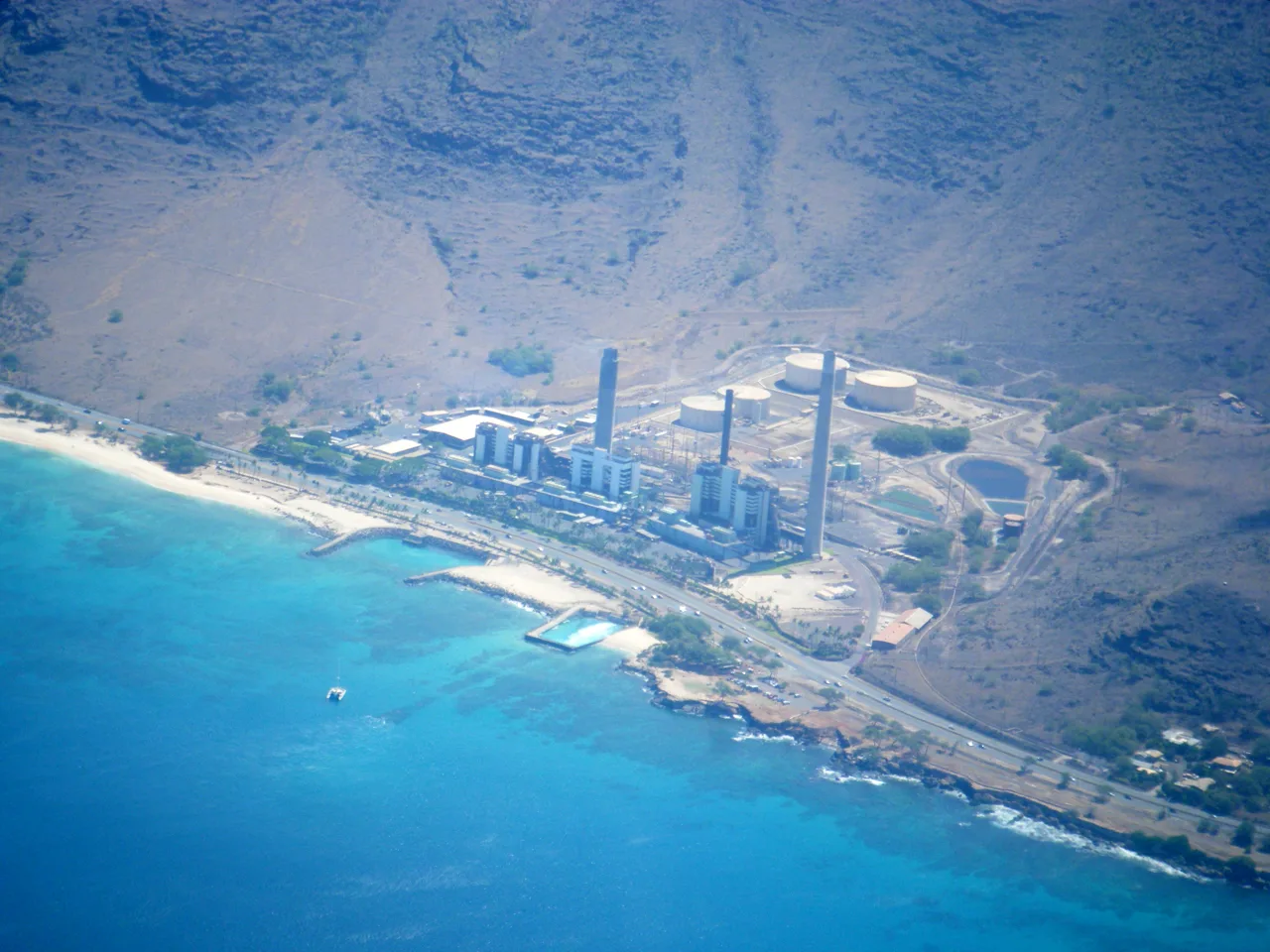
Hawaii and Alaska are taking a disproportionate hit from a recent energy shock as utilities warn that rising fuel costs will push residential power bills substantially higher in those regions. Both areas rely on fuel mixes and grid structures that make them more vulnerable to spikes in oil and localized gas shortages, while much of the continental United States benefits from lower natural-gas prices.
The situation crystallized when Hawaiian Electric alerted customers to potential bill increases of roughly 20%–30% over coming months, citing higher global oil prices and supply-chain pressures. Local reporting and cooperative utilities in Hawaii and parts of Alaska have echoed those warnings, noting lags between fuel purchases and retail billing and the practical limits of quickly switching generation sources on islands and isolated grids. In Alaska, declines in nearby natural-gas production and the high costs of transporting fuels to remote communities have amplified rate pressure.
Market effects are regional: U.S. Energy Information Administration (EIA) data show that lower natural-gas prices have helped insulate many wholesale and retail markets on the mainland, keeping a lid on nationwide electricity inflation. By contrast, Hawaii’s heavy reliance on imported refined fuels and Alaska’s small, dispersed utilities mean retail electricity rates there are rising faster and remain among the highest in the country. These divergences are already affecting household budgets and, in some areas, commercial operating costs.
In broader context, the developments reflect the interaction between global geopolitical shocks that lift oil prices and domestic infrastructure constraints. Policy debates in Hawaii over importing liquefied natural gas (LNG) versus accelerating renewables illustrate the trade-offs between short-term cost relief and long-term decarbonization goals. Alaska’s path toward lower consumer costs likewise hinges on investment in local renewable resources, transmission upgrades and new supply arrangements—none of which are immediate fixes.
Analysts say the near-term outlook depends on global fuel-price trends and the speed with which utilities can hedge or substitute away from oil. If oil prices moderate, delayed billing mechanisms could eventually ease consumer burdens; if not, policymakers will face mounting pressure to expand targeted bill-assistance programs and accelerate infrastructure projects to reduce fuel exposure. Investors and market participants will watch EIA supply metrics and regional utility filings closely for signals on future rate trajectories.
💸 Ready to act on this news?
You need a brokerage account to invest. Compare 30+ trusted brokers in seconds — zero commission options available.
Comments (0)
No comments yet. Be the first to comment!