

Electricity prices: Government to propose changes in clean power push
Electricity prices: The government will propose measures to loosen the link between gas and power prices under a clean power push, aiming to shield consumers from Middle East-driven shocks.
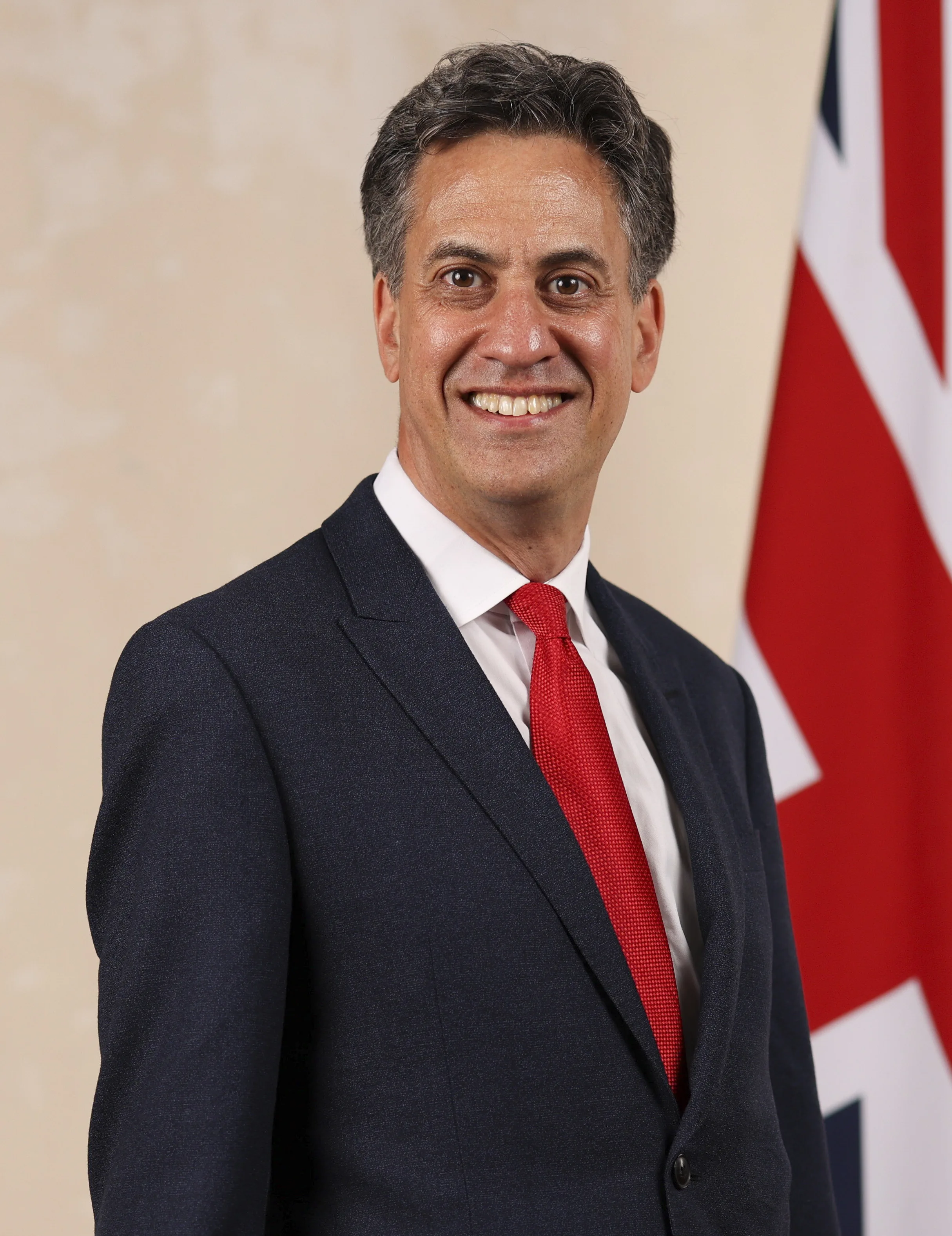
The government plans to propose changes designed to weaken the link between volatile gas prices and wholesale electricity, framing the move as part of a broader clean power push to protect consumers from energy shocks originating in the Middle East. Proposals are reported to include incentives to move some legacy clean generators onto fixed-price contracts and measures to reduce gas-driven price-setting in the power market.
The development follows speeches and statements from the Energy Secretary and parliamentary exchanges where ministers set out intentions to accelerate renewables deployment and electrification of heat and transport. Officials have indicated the Treasury may offer tax incentives to encourage voluntary contract changes by certain renewable generators, while regulatory options remain under consideration. Parliamentary records show the government is positioning these measures as both security and economic policy.
Market implications are nuanced: reducing the extent to which gas sets the marginal price of electricity should, in theory, insulate consumers from international fossil-fuel swings, but the transition could redistribute revenues across generators and require careful contract design. Analysts note that while renewables lower wholesale prices over time, upfront system and balancing costs — including curtailment and storage — must be managed to avoid unintended bill increases. Recent research and think-tank analysis underline the persistent short-term vulnerability while the system adapts.
The proposals must be read in the context of renewed geopolitical risk following conflict in the Middle East, which has driven up oil and gas prices and revived debate over domestic energy resilience. Policymakers argue that boosting home-grown clean power and breaking price transmission from global gas markets to domestic bills strengthens both energy security and national economic resilience. Critics warn that poorly designed interventions could raise costs or distort investment signals.
Analysts say the short-term outlook depends on the specifics: the scope of voluntary versus mandatory contract changes, the scale of fiscal incentives, Ofgem’s regulatory stance, and developments in international gas markets. If well targeted, measures could reduce household exposure to future price shocks and support clean-technology investment; if not, they risk creating transitional winners and losers and stoking political backlash. Market participants will watch upcoming ministerial guidance and any formal consultations closely.
💸 Ready to act on this news?
You need a brokerage account to invest. Compare 30+ trusted brokers in seconds — zero commission options available.
Comments (0)
No comments yet. Be the first to comment!