

Ed Miliband doubles down on net zero with measures after Iran shock
Energy Secretary Ed Miliband will unveil a package to accelerate net zero amid an Iran-driven energy shock, aiming to reduce UK reliance on volatile fossil fuels.
UK Energy Security and Net Zero Secretary Ed Miliband has said he will double down on the government’s net zero commitment and set out a package of measures in response to the energy shock triggered by the conflict involving Iran. He framed clean energy as a source of domestic security that cannot be disrupted by overseas wars and said the crisis underlined the need to accelerate the clean transition.
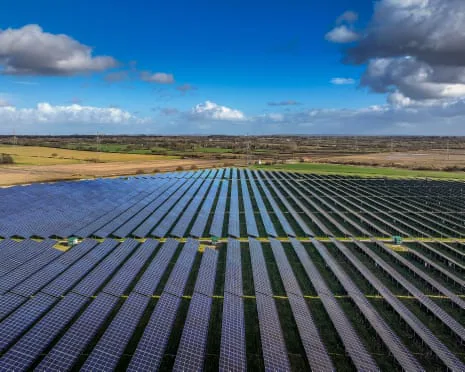
According to government sources, the planned measures include speeding up the Warm Homes Plan to boost household adoption of solar and efficiency upgrades; expanding solar installations on public land; and exploring ways to delink electricity prices from the cost of gas-fired generation, such as securing better contracts for legacy low-carbon projects. Ministers also indicated they will consider ‘tie-back’ options to make more use of existing North Sea infrastructure rather than immediately opening new fields such as Jackdaw or Rosebank.
Market effects from the Iran conflict have been significant: international crude markets experienced sharp swings in March, and regulators and ministers have been preparing contingency measures to shield consumers and industry from acute price spikes. The electricity price cap in Britain is fixed until July, but forecasts point to a rise thereafter; the government has also deployed targeted support for households and energy-intensive manufacturers.
In the broader economic and geopolitical context, disruptions to Strait of Hormuz traffic and Gulf production have highlighted vulnerability to external supply shocks and renewed focus on domestic clean energy capacity. Policymakers argue that expanding renewables, nuclear and energy-efficiency measures can hedge against future external shocks, while critics say such transitions take time and cannot fully substitute for short-term liquidity in oil and gas markets. International coordination on strategic reserves and retail price behavior has also been part of the response.
Analysts say the near-term outlook remains uncertain and will depend on diplomatic developments and market responses; however, medium-term resilience could improve if the announced measures are translated into faster deployment of clean power and demand-side efficiency. Market participants will watch the technical details of any scheme to decouple electricity tariffs from gas costs and the government’s approach to balancing energy security with its climate commitments.
Related Symbols
💸 Ready to act on this news?
You need a brokerage account to invest. Compare 30+ trusted brokers in seconds — zero commission options available.
Comments (0)
No comments yet. Be the first to comment!