

Economy: G7 meets in Paris, oil tops $110, markets wobble — May 18, 2026
G7 finance ministers meet in Paris while a drone strike near Abu Dhabi lifts oil above $110; markets turn cautious amid rising energy and geopolitical risks.
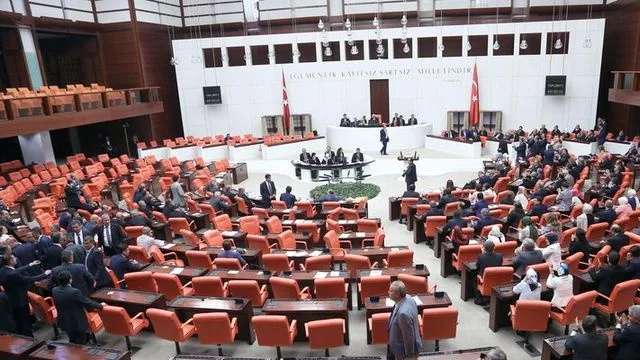
G7 finance ministers convening in Paris and renewed Middle East tensions are the leading economic and political stories on May 18, 2026. Delegates are scheduled to discuss global imbalances, critical raw materials and the economic fallout from regional conflicts, seeking coordinated policy responses.
Agenda items include concerns about asymmetric demand patterns between China, the United States and Europe, and securing supply chains for strategic minerals; the recent drone strike near the Barakah nuclear plant in the United Arab Emirates accelerated fears over energy infrastructure and shipping in the Strait of Hormuz, pushing Brent crude toward $110 a barrel. Policymakers warned that persistent supply risks could translate into longer-lasting price pressure.
Markets reacted quickly: rising oil prices dented risk appetite, Asian equities saw downward pressure and investors increased allocations to safe-haven assets. Higher energy costs feed into headline inflation and can complicate central banks’ paths for monetary policy, while bond yields and FX rates showed greater volatility as traders reassessed risk premia.
In a broader context, the developments underline that energy security and supply-chain resilience remain central to global economic policy. The G7 meeting is therefore being watched not just for short-term market signals but for potential commitments on coordination around critical minerals and mechanisms to shield global markets from spillovers of geopolitical shocks. Prolonged instability could prompt fiscal and strategic stock-release responses among consuming nations.
Analysts say volatility is likely to persist in the near term. Key near-term indicators for markets will be the tone and outcomes from the G7 discussions, any further confirmation about the Barakah incident, and progress (or lack thereof) in U.S.-Iran diplomatic channels. Investors are advised to monitor energy exposure and central bank communications closely as policy-making may need to balance growth and inflation risks amid renewed supply-side shocks.
Related Symbols
💸 Ready to act on this news?
You need a brokerage account to invest. Compare 30+ trusted brokers in seconds — zero commission options available.
Comments (0)
No comments yet. Be the first to comment!