

Economy and political agenda: UAE exits OPEC and market fallout
UAE quit OPEC/OPEC+ effective May 1, 2026; oil prices and central-bank risk repricing followed, while new U.S. sanctions add geopolitical uncertainty.
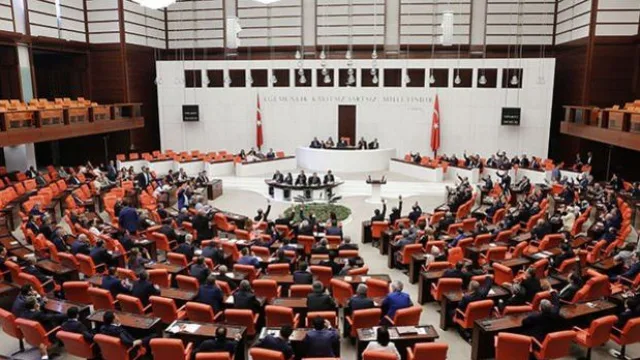
The headline development this week was the United Arab Emirates’ decision, announced on April 28, to leave OPEC and the OPEC+ cooperation framework effective May 1, 2026. Officials framed the move as driven by national interests and a reassessment of production policy, a step that injected fresh uncertainty into global energy markets.
How the event unfolded and key figures UAE Energy Minister Suhail al-Mazrouei said the exit followed a careful strategic review; market reporting highlights that the UAE has been one of OPEC’s largest producers and its departure reduces the cartel’s spare capacity. In the immediate reaction Brent futures traded in the roughly $110–$112 per barrel range and showed heightened intraday swings as traders digested both the exit and ongoing Strait of Hormuz disruptions.
Market impact and short-term price action Energy and commodity markets experienced increased volatility, with oil and related equities most affected. Investors rotated toward traditional hedges amid fears that production decisions outside OPEC coordination could become more frequent once transport constraints ease. Currency markets also reflected central-bank risk repricing following warnings from policymakers about energy-driven inflation pressures.
Broader economic and geopolitical context The UAE exit comes against the backdrop of heightened Middle East tensions and trade disruptions; these factors amplify the potential for temporary supply shocks even if longer-term output plans change. Concurrently, the U.S. administration’s expanded sanctions on Cuba add another layer of geopolitical uncertainty that may weigh on sentiment in emerging and frontier markets.
Analysts’ view and what to watch Next, market participants will closely monitor physical flow data from the Gulf, Brent forward curves, statements from remaining OPEC members, and concrete measures tied to U.S. sanctions. Analysts say volatility is likely to persist until a clear trajectory for both shipping security in the Strait of Hormuz and member-state production policies emerges, prompting a cautious stance toward energy exposures.

Related Symbols
💸 Ready to act on this news?
You need a brokerage account to invest. Compare 30+ trusted brokers in seconds — zero commission options available.
Comments (0)
No comments yet. Be the first to comment!