

Economist Lord O'Neill Declines Formal Role in Burnham Government
Lord O'Neill, former Goldman Sachs chief economist, declined a formal advisory role in PM Andy Burnham's government. He cited managing personal investments as his priority.
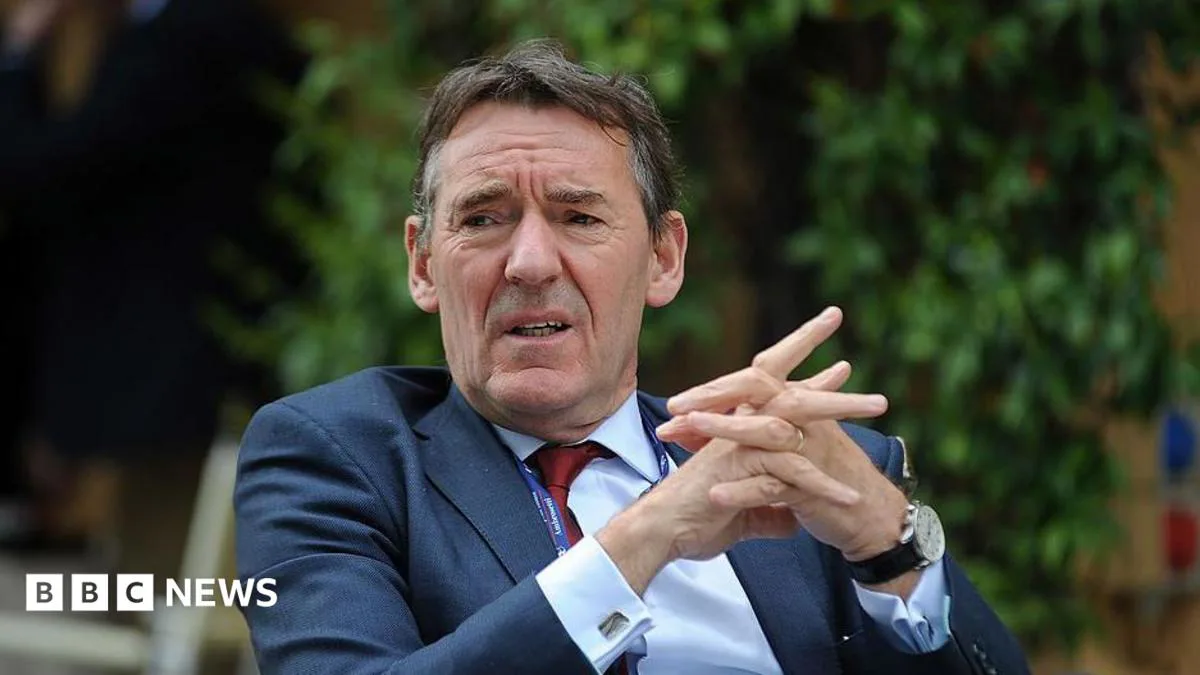
Lord O'Neill, the former chief economist at Goldman Sachs and a former Conservative Treasury minister, has formally declined a position as chief economic adviser in Prime Minister Andy Burnham's government. This decision is seen as a setback for Burnham's efforts to win over businesses and investors.
O'Neill had been informally advising Burnham before his election as Prime Minister and was expected to join Burnham's government in a key economic role. However, his decision to reject a formal role was not due to policy disagreements but rather his desire to retain control of his personal investments. O'Neill stated he did not wish to place his assets in a "blind trust" while serving in an official capacity. He emphasized that he is a "massive fan" of Burnham's focus on devolution and hopes his team will be "bold" on this and other issues.
This development could create a void in the Burnham government's economic expertise. O'Neill is known as a market-friendly and pro-business figure, and his appointment would have signaled supportive policies for the City of London. Prime Minister Burnham has outlined ambitious devolution plans aimed at shifting economic power from Westminster to local regions across England. These plans include granting metro mayors greater control over spending, as well as a share of income tax and business rate revenue.
The United Kingdom remains one of the most fiscally centralized countries among developed nations, while Burnham's philosophy of "rewiring the state" and "Manchesterism" seeks to foster economic growth through empowered local communities. Lord O'Neill has long advocated for fiscal devolution, including powers over taxation and spending, to address regional economic disparities and boost growth outside London and the South East. He believes that replicating the economic growth observed in Greater Manchester across other areas could significantly enhance national economic performance.
Analysts are closely monitoring this development in the Burnham government's economic advisory team ahead of crucial budget and tax decisions. Uncertainties persist regarding the feasibility of the government's radical devolution plans, including how well local councils are equipped for these expanded roles and their ability to address projected funding gaps. O'Neill's potential to maintain an informal relationship and offer external support to the government remains an important factor for markets. This situation could influence the future trajectory of the government's economic agenda.
💸 Ready to act on this news?
You need a brokerage account to invest. Compare 30+ trusted brokers in seconds — zero commission options available.
Comments (0)
No comments yet. Be the first to comment!