

E-7A Wedgetail: US Air Force plans to buy five more Boeing aircraft
US Air Force says five additional E-7A Wedgetail aircraft are under contract, on top of two rapid prototypes, advancing the program into EMD.
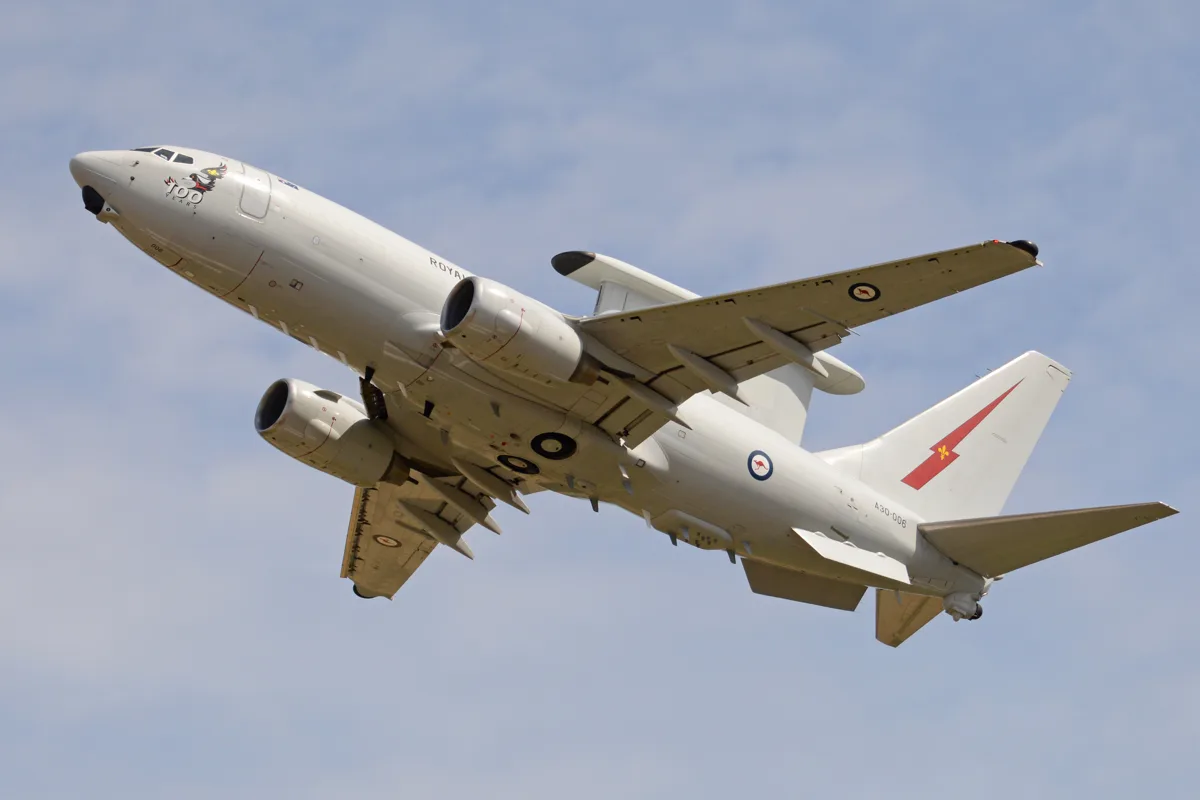
Senior U.S. Air Force officials confirmed that contracts exist for five additional E-7A Wedgetail airborne early warning and battle management aircraft, supplementing two previously contracted rapid prototypes. Secretary of the Air Force Troy Meink disclosed the information during testimony to a House Appropriations defense subcommittee on April 30, 2026.
The development follows a period of budgetary debate between the Pentagon and Congress over the program’s future. According to service statements and reporting, the five aircraft are intended as engineering and manufacturing development (EMD) assets, moving the program beyond prototype work; recent contract modifications relating to radar production and development have supported that transition.
Market implications are immediate for defense suppliers and Boeing (BA) specifically: additional production commitments could boost revenues for prime and subcontractors while increasing near-term supply-chain demand. Market observers note the move as a positive signal for Boeing’s defense backlog, though historical delays and cost growth in the program continue to temper investor enthusiasm.
In a broader strategic context, the E-7A program has become a touchpoint in Congressional-Pentagon relations over force structure and acquisition priorities. Congress moved to restore funding and direction for the Wedgetail program in recent appropriations actions, even as some Defense Department leaders have questioned the survivability and long-term role of manned AWACS-style platforms versus space-based alternatives.
Analysts say the program’s outlook hinges on a handful of variables: radar supply-chain stability, Boeing and supplier production capacity, and future Congressional appropriations. Near-term EMD production awards could shore up supplier revenues, but medium-term program viability will depend on cost control, operational survivability assessments, and whether the Air Force and lawmakers converge on procurement quantities. Investors should monitor contract announcements and Pentagon testimony for signs of program scaling or further budgetary disputes.
Related Symbols
💸 Ready to act on this news?
You need a brokerage account to invest. Compare 30+ trusted brokers in seconds — zero commission options available.
Comments (0)
No comments yet. Be the first to comment!