

Digital Trust Credentials Could Untangle U.S. State Privacy Maze
Reusable digital trust credentials may reduce data copying and compliance costs caused by divergent U.S. state privacy laws, easing identity fraud risks.
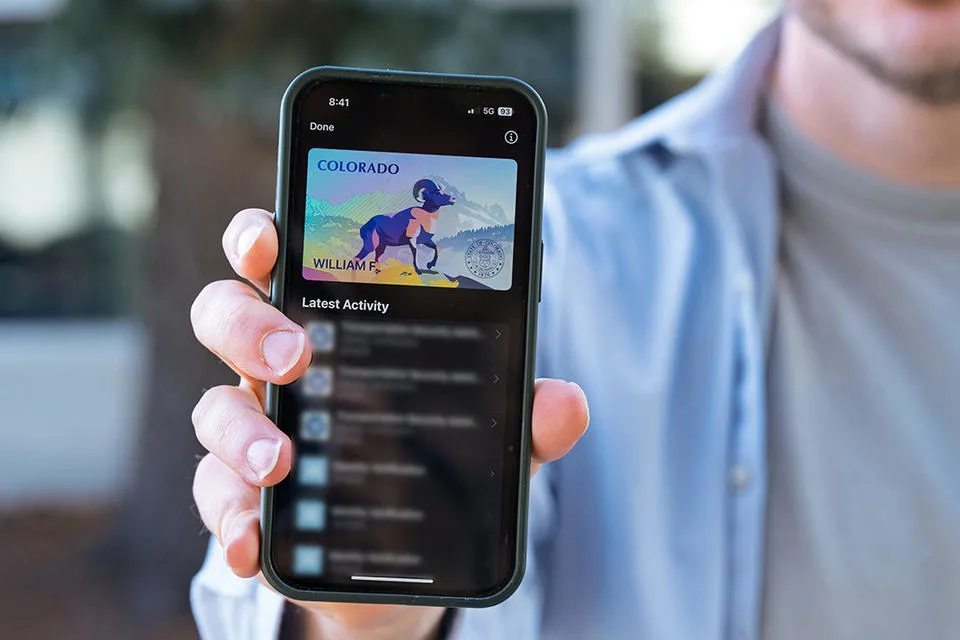
A Forbes opinion piece argues that reusable digital trust credentials—verified once and reused across transactions—could help untangle the patchwork of U.S. state privacy laws by reducing the need to copy and store sensitive personal data. The author proposes a model akin to a “Trust Bureau” that would validate credentials much like a credit bureau verifies financial histories.
The article highlights the scale of identity and data risks fueling the proposal: a Javelin Strategy & Research report co‑sponsored by AARP estimated $47 billion in U.S. losses from identity fraud and scams in 2024, and the Identity Theft Resource Center recorded a record number of data compromises in 2025. The piece argues that minimizing data replication via verifiable, minimal proofs would reduce both breach exposure and regulatory compliance friction.
Technically, the credential model centers on one‑time, high‑assurance verification and selective disclosure—users share only the proof required for a specific interaction rather than raw identifiers like Social Security numbers. Proponents say this reduces downstream vendor liability and simplifies consent and data flow management, but it requires interoperable standards, trusted attesters, and clear liability frameworks for widespread adoption.
From a regulatory perspective, the U.S. lacks a comprehensive federal privacy law, and the resulting state‑by‑state divergence has forced firms to alter product design and compliance operations depending on where customers are located. The International Association of Privacy Professionals (IAPP) tracker documents multiple states with distinct comprehensive privacy statutes and staggered effective dates, underscoring the operational burden on companies that operate across state lines.
Market observers say that while building a reusable trust credential ecosystem will take time and coordination among private validators, standards bodies and regulators, it could lower long‑term compliance costs and breach risk for sectors handling sensitive identity data—particularly financial services and large consumer platforms. Key near‑term milestones will be technical interoperability, accredited attestation mechanisms and regulatory recognition of credential‑based proofs.
💸 Ready to act on this news?
You need a brokerage account to invest. Compare 30+ trusted brokers in seconds — zero commission options available.
Comments (0)
No comments yet. Be the first to comment!