

Defence sovereignty: Europe races to build low-cost drones and munitions
With war in Ukraine and NATO uncertainty, Europe is preparing to spend billions to mass‑produce low‑cost drones and affordable munitions to bolster defence.
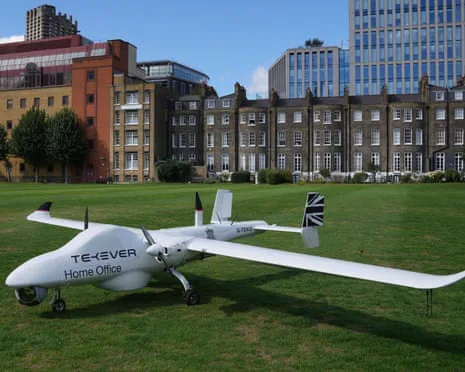
Europe is accelerating plans to mass‑produce low‑cost weapons — notably unmanned aerial vehicles (drones) and affordable munitions — as the Russia‑Ukraine war and doubts over NATO commitments drive a push for defence sovereignty and rapid procurement at scale.
The initiative took concrete form when five leading European defence powers launched the Low‑Cost Effectors and Autonomous Platforms (LEAP) programme, aiming to translate battlefield lessons from Ukraine into rapid production of autonomous and attritable systems. In parallel, UK procurement moves and private startups are scaling up production lines using 3D printing and commercial off‑the‑shelf components to meet demand quickly.
Institutions are responding: the European Commission has adopted preparatory measures to finance and streamline procurement for drone and counter‑drone capabilities, while several firms are repositioning supply chains to retain intellectual property and production in Europe. These policy and industrial shifts aim to shorten delivery times and secure strategic autonomy in critical defence technologies.
From a market perspective, the trend boosts defence‑sector revenues and raises valuations for companies positioned in low‑cost effectors, interceptors and related subsystems. In the near term, demand will favor nimble manufacturers and component suppliers; over the medium term, prime contractors and systems integrators stand to gain from larger procurement packages and cross‑border production agreements. Widespread adoption of low‑cost interceptors could also alter demand for expensive traditional air‑defence missiles.
Analysts caution that achieving industrial scale depends on harmonizing procurement rules, certification standards and national industrial policies. Market watchers expect initial deliveries and pilot programmes within 12–18 months, with broader procurement cycles unfolding through 2027; investors should track contract awards, national budget allocations and EU procurement frameworks for signals of where revenues will concentrate.
💸 Ready to act on this news?
You need a brokerage account to invest. Compare 30+ trusted brokers in seconds — zero commission options available.
Comments (0)
No comments yet. Be the first to comment!