

Crude oil prices jump as Strait of Hormuz closure clouds talks
May WTI (CLK26) rose 6.87% and May RBOB (RBK26) gained 3.73% after Iran said the Strait of Hormuz was closed, reviving supply fears and lifting fuel markets.
Crude oil and gasoline futures settled sharply higher on Monday as markets reacted to renewed disruption in the Strait of Hormuz; May WTI futures (CLK26) closed up $5.76 (+6.87%) while May RBOB gasoline (RBK26) finished up $0.1120 (+3.73%). The moves came after Iran announced over the weekend that the strait was closed to shipping, citing a dispute with U.S. naval actions.
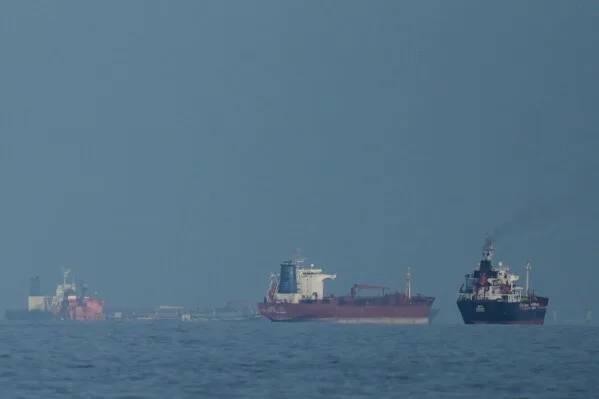
The price action followed reports of escalatory naval incidents in the Gulf region, including an encounter involving a U.S. naval vessel and an Iranian-flagged cargo ship in the Gulf of Oman. Market participants said the Turkish‑style logistical choke point at Hormuz—through which a significant portion of seaborne oil and LNG flows—being effectively closed tightened physical availability and raised near-term premium on oil and product barrels. Futures-screen data and market commentary showed traders rapidly repricing risk and cutting short positions amid the uncertainty.
The surge in energy prices pressured broader markets: energy equities outperformed while major stock indices lost ground as investors rotated into commodity exposure and safe-haven assets. Commentary from market desks noted that the jump in oil raises short-term inflation expectations, complicating central bank policy outlooks and influencing currency and bond markets. Volatility indicators for commodities and equity options spiked as hedging activity increased.
In the wider context, the International Energy Agency and industry trackers have highlighted substantial supply disruptions tied to the Iran conflict and the closure of Hormuz, estimating millions of barrels per day of effective supply loss. Planned output increases by OPEC+ for May face logistical and security headwinds, and regional producers have already curtailed shipments or production in response to the heightened risk environment. Tanker-stored crude volumes have also risen, reflecting barrels stuck outside ports or in transit.
Analysts say near-term price direction will hinge on developments at sea and diplomatic progress; a sustained blockade or further damage to export infrastructure would keep risk premia elevated and could push prices higher, while any credible reopening of shipping lanes or coordinated release of strategic stocks could cap gains. Traders will watch for confirmation of vessel movements, official statements on the naval blockade, and any policy measures from major consuming or producing nations.
💸 Ready to act on this news?
You need a brokerage account to invest. Compare 30+ trusted brokers in seconds — zero commission options available.
Comments (0)
No comments yet. Be the first to comment!