

Critical minerals: US and EU to sign preliminary deal on Friday
The US and EU will sign a preliminary memorandum on April 24, 2026 to bolster critical minerals supply chains; cooperation will cover investment, processing and recycling.
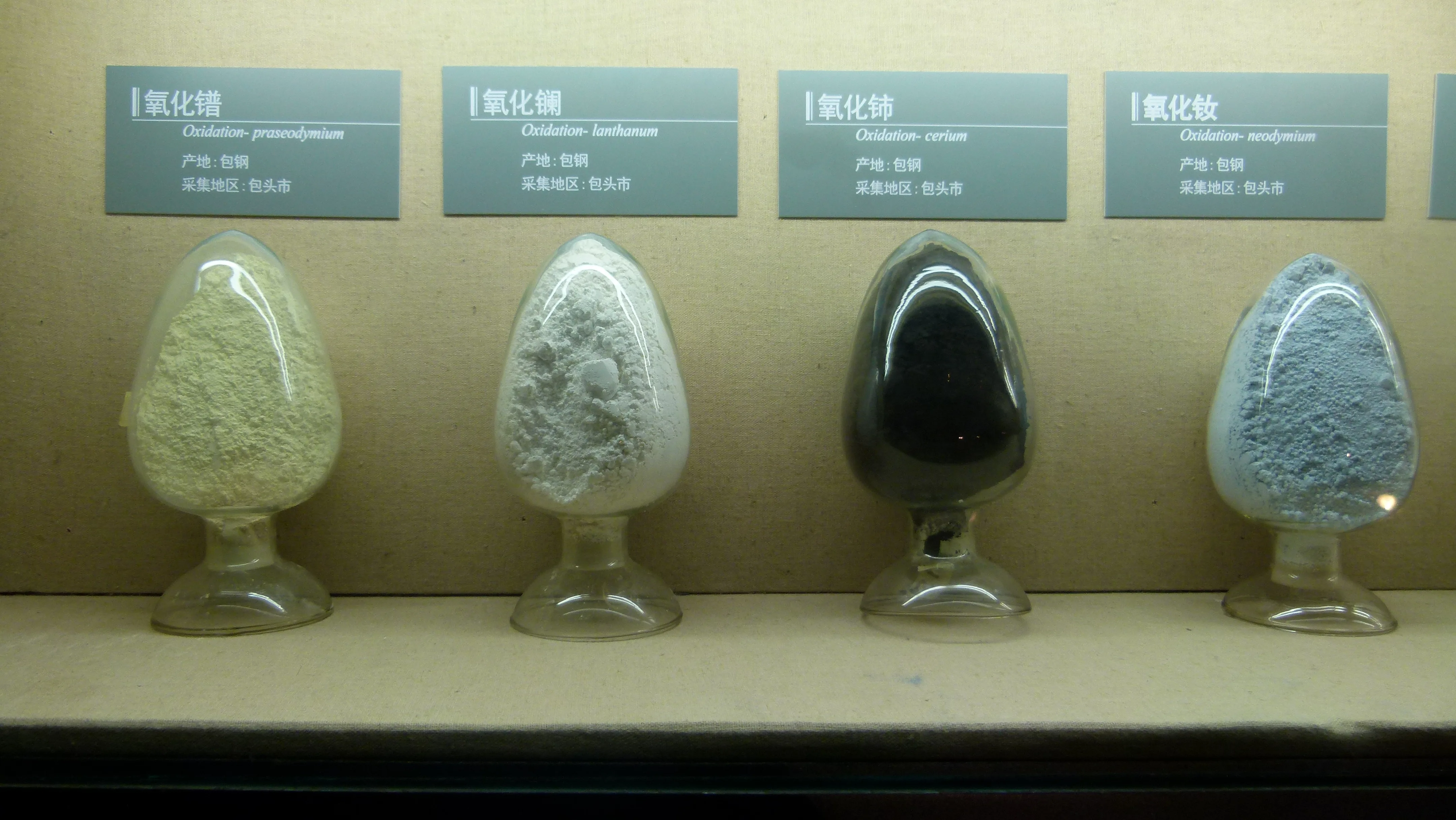
The United States and the European Union plan to sign a preliminary memorandum of understanding on April 24, 2026 to strengthen cooperation on critical minerals supply chains, according to official statements reported by news services. The step formalizes a transatlantic intent to coordinate on projects spanning mining, refining, processing and recycling.
Negotiations have focused on an action plan that would identify joint investment opportunities and incentives to scale up non-China processing and refining capacity. Reports indicate the talks include measures such as coordinated investment support and potential market interventions to counter concentrated supply risks, particularly for rare earths and battery-grade lithium. Bloomberg reporting highlights discussions over policies like minimum price guarantees to incentivize alternative suppliers.
Market implications are likely to surface in sectors tied to electric vehicles, advanced electronics and defense supply chains. Short-term reactions could include re-pricing of mining and processing equities and increased volatility in related commodities as investors factor in expected incentives and capacity expansions. Industry participants note that any credible commitments to finance new processing facilities would favor miners and refiners in allied jurisdictions.
The deal fits within a broader policy push in Washington and Brussels to reduce strategic dependencies and bolster economic security across critical raw materials. U.S. executive and regulatory actions earlier this year signaled a willingness to adjust import policies and support domestic processing capacity, while the European Commission’s recent communications emphasize diversification and strategic investment to secure supply chains. Together, these developments form a policy backdrop that increases the likelihood of sustained transatlantic cooperation.
Analysts caution that a preliminary memorandum is a first step; conversion into concrete projects requires detailed financing agreements, regulatory approvals and possibly EU member state endorsements. Market watchers will monitor implementation mechanisms, any linked price-support or tariff measures, and announced flagship projects—factors that will determine how rapidly the initiative shifts from diplomatic accord to material changes in global supply and pricing dynamics.
💸 Ready to act on this news?
You need a brokerage account to invest. Compare 30+ trusted brokers in seconds — zero commission options available.
Comments (0)
No comments yet. Be the first to comment!