

CoreWeave stock falls after Google-Blackstone JV raises competition
A Bernstein analyst said Google and Blackstone's 500MW TPU cloud venture isn't 'immediately problematic' for CoreWeave but could make the market more crowded.
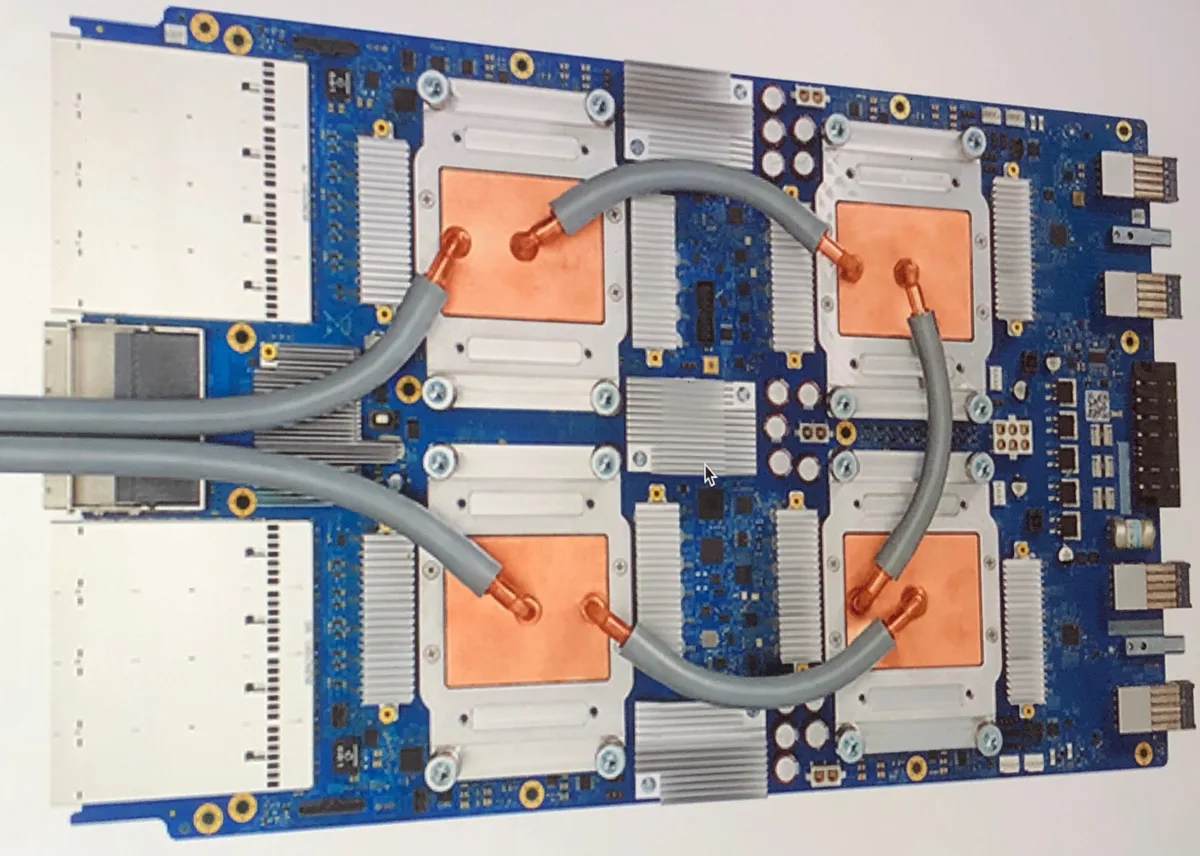
Shares of CoreWeave slid after Google and Blackstone announced a joint venture that will offer access to Google’s Tensor Processing Units (TPUs), a move investors interpreted as a potential new competitive pressure on specialized AI-cloud providers.
According to the announcement, Blackstone will commit $5 billion in initial equity to the new U.S.-based company and aims to bring roughly 500 megawatts of capacity online by 2027; Google will supply TPUs, software and related cloud services to the venture. The structure is intended to let customers access TPU compute outside Google Cloud through a dedicated compute-as-a-service platform.
Market reaction was immediate: CoreWeave shares fell roughly 3–4% in early trading as analysts and traders weighed the implications. Bernstein Research analyst Madison Rezaei noted the planned 500MW is not “immediately problematic” for CoreWeave’s near-term scale but warned the deal “represents the beginning of a more earnest hyperscale attack of the market,” signaling potential medium-term margin pressure.
CoreWeave has also been managing its own financing needs amid rapid growth, disclosing a $3.1 billion delayed-draw term loan facility to fund infrastructure tied to customer contracts; high upfront capital requirements remain a key vulnerability for small, fast-growing compute providers. Market participants are watching how the JV’s pricing, power access and capital structure will affect incumbents.
In broader terms, the Google-Blackstone initiative reframes AI compute as an investable infrastructure asset class: large private capital commitments coupled with proprietary silicon could accelerate TPU deployment and give the JV scale advantages in cost of capital and power procurement. Analysts say the main near-term impact may be sentiment and selective share-price pressure, while the strategic implications for market structure will play out over quarters.
Looking ahead, analysts expect the critical variables to be the JV’s speed of customer wins, contracted pricing levels versus GPU alternatives, and energy/real-estate execution. For CoreWeave, the immediate priority is converting backlog into contracted revenue and managing leverage; for investors the key questions are whether incumbents can defend pricing and how rapidly hyperscalers and capital-rich entrants scale their compute footprints.
Related Symbols
💸 Ready to act on this news?
You need a brokerage account to invest. Compare 30+ trusted brokers in seconds — zero commission options available.
Comments (0)
No comments yet. Be the first to comment!