

Colombian Farmers Rebuild Lives by Shifting from Coca to Palm Oil
Farmers in Colombia are transitioning from coca cultivation to palm oil farming, leaving decades of conflict and fear behind, thanks to government subsidies and crackdowns on armed groups. This shift marks a significant contribution to rural development by moving away from illicit economies.
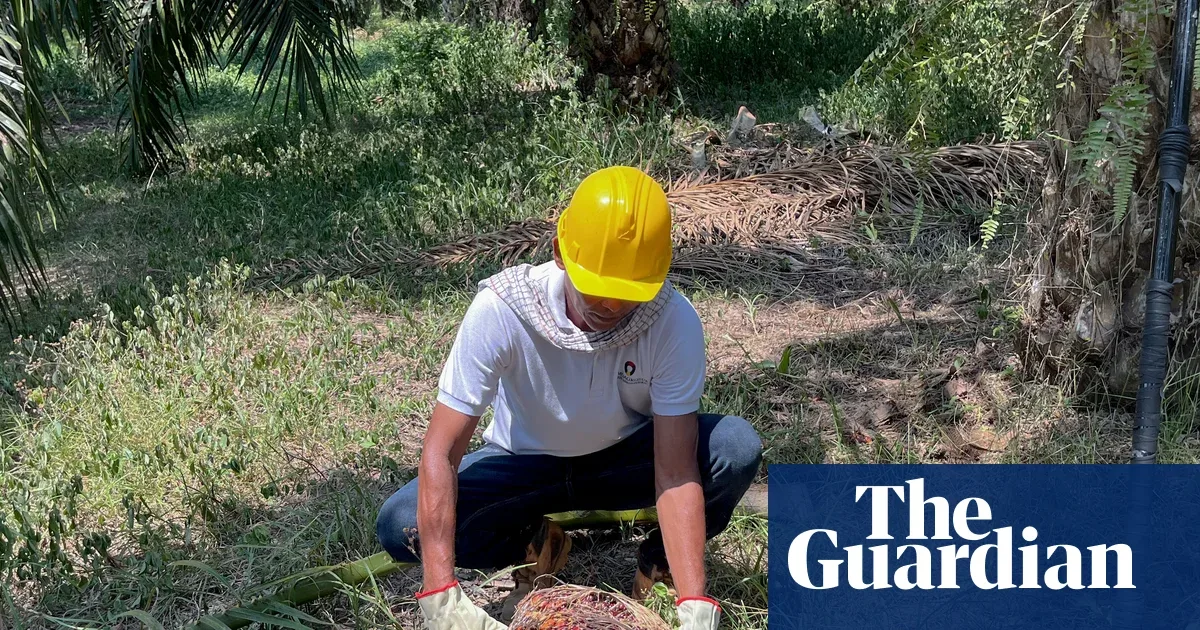
Farmers in rural Colombia are increasingly abandoning illicit coca cultivation and turning to palm oil production, supported by government subsidies and intensified operations by security forces against armed groups. This significant transformation offers a new beacon of hope for regional economies after years of conflict and violence linked to drug trafficking. In villages like Caño Barbú, near San Pablo in northern Colombia, farmers such as Yoger Payares are moving away from the illicit coca industry they became embroiled in since the 1990s, leaving behind decades of conflict and fear.
This transition is being accelerated by the Colombian government's coca substitution programs and subsidies provided to farmers. The government offers financial incentives to farmers who uproot coca plants and cultivate legal crops like coffee or cocoa instead. For many farmers who were previously coerced into growing coca by armed groups, these programs offer an opportunity for stable and legal income. However, past initiatives, such as the National Comprehensive Program for the Substitution of Illicit Crops (PNIS), have faced setbacks due to delayed subsidies and ongoing pressure from illegal armed groups.
The shift to palm oil significantly contributes to local economies by improving farmers' living standards and integrating them into formal supply chains. Colombia, the largest palm oil producer in Latin America, saw 609,142 hectares planted with palm oil in 2024, a 2.2% increase from the previous year. According to the National Federation of Oil Palm Growers (Fedepalma), palm oil, alongside coffee, has become one of the crops with the largest planted area in Colombia. Palm oil holds great potential for the Colombian economy due to its high productivity and versatile applications, including food, cosmetics, and biofuel.
This strategic change is a crucial part of Colombia's broader peace process and efforts to stabilize regions affected by conflict. The government aims to strengthen its presence in remote areas by addressing the root causes of illicit farming activities and promoting rural development. While the country's unique geography and historical influence of cartels and armed groups have deeply entrenched coca cultivation, such substitution programs play a critical role in achieving lasting peace.
Analysts and market experts emphasize that the success of these programs depends on sustained government support, market access for palm oil products, and continuous improvements in security conditions. Despite past challenges, this transition is considered a positive step for the country's economic development and social stability. Although environmental sustainability concerns are often associated with palm oil production, it is highlighted that palm oil cultivation in Colombia occurs outside the Amazon rainforest, promoting sustainable practices. Experts anticipate that this approach will support both economic growth and environmental protection in the long run.
💸 Ready to act on this news?
You need a brokerage account to invest. Compare 30+ trusted brokers in seconds — zero commission options available.
Comments (0)
No comments yet. Be the first to comment!