

Capital gains tax: Existing property investors likely protected in May budget
Treasurer Jim Chalmers told a CommBank podcast he will 'recognise past decisions', signalling CGT reforms in the May budget would spare existing property investors from retroactive tax hikes.
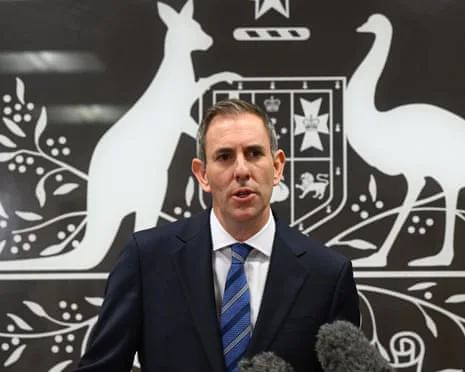
Australian Treasurer Jim Chalmers told the CommBank View: Economics & Markets podcast that potential changes to capital gains tax (CGT) and negative gearing being considered for the May federal budget are likely to be designed so they do not penalise people who have already made investment decisions. He said the government intends to “recognise the decisions that people have taken in the past” and warned that such reforms would not deliver “a huge amount of revenue” to the budget on an immediate basis.
Chalmers explained that global energy shocks and supply disruptions have complicated budget planning, and that Treasury is modelling outcomes carefully; proposals under discussion include returning to a pre-1999 inflation-adjusted CGT regime or reducing the 50% discount for assets held more than one year. He emphasised that any package would need transitional arrangements and that changes could be phased in rather than applied retrospectively to existing holdings. Independent modelling cited by media outlets places a wide range on potential revenue and distributional outcomes depending on design.
Economic estimates suggest tighter investor tax settings could modestly reduce house prices—commonly projected in the 1–4% range in some scenarios—and shift ownership composition towards owner-occupiers by a few percentage points. Banks and policy institutes note that the timing and scope of measures (for example, whether only future purchases are affected or whether gains are indexed for inflation) materially alter both the fiscal payoff and the incentive effects on investor behaviour. Chalmers’ comments imply a preference for measures that change future incentives rather than imposing sudden retrospective levies.
In the broader policy context, the Treasurer framed the budget around lifting productivity and resilience—what he calls Australia’s “fourth economy”—while also addressing intergenerational fairness in the tax system. He reiterated that boosting housing supply remains central to improving affordability, and that tax policy is only one lever among many. That combination signals the government will balance revenue considerations with political and distributional impacts.
Market commentators expect officials to publish technical details with the budget and for debates to focus on grandfathering rules, phasing timelines and revenue estimates. Analysts argue a fully retrospective approach would be politically difficult and generate limited near-term revenue, making phased or prospective application more likely. For investors, the immediate takeaway from Chalmers’ interview is reduced risk of an abrupt tax shock on existing holdings, while the medium-term policy settings will determine incentives across the housing and investment sectors.

💸 Ready to act on this news?
You need a brokerage account to invest. Compare 30+ trusted brokers in seconds — zero commission options available.
Comments (0)
No comments yet. Be the first to comment!